Select Language:
The World’s Largest Economies in 2025: A Closer Look
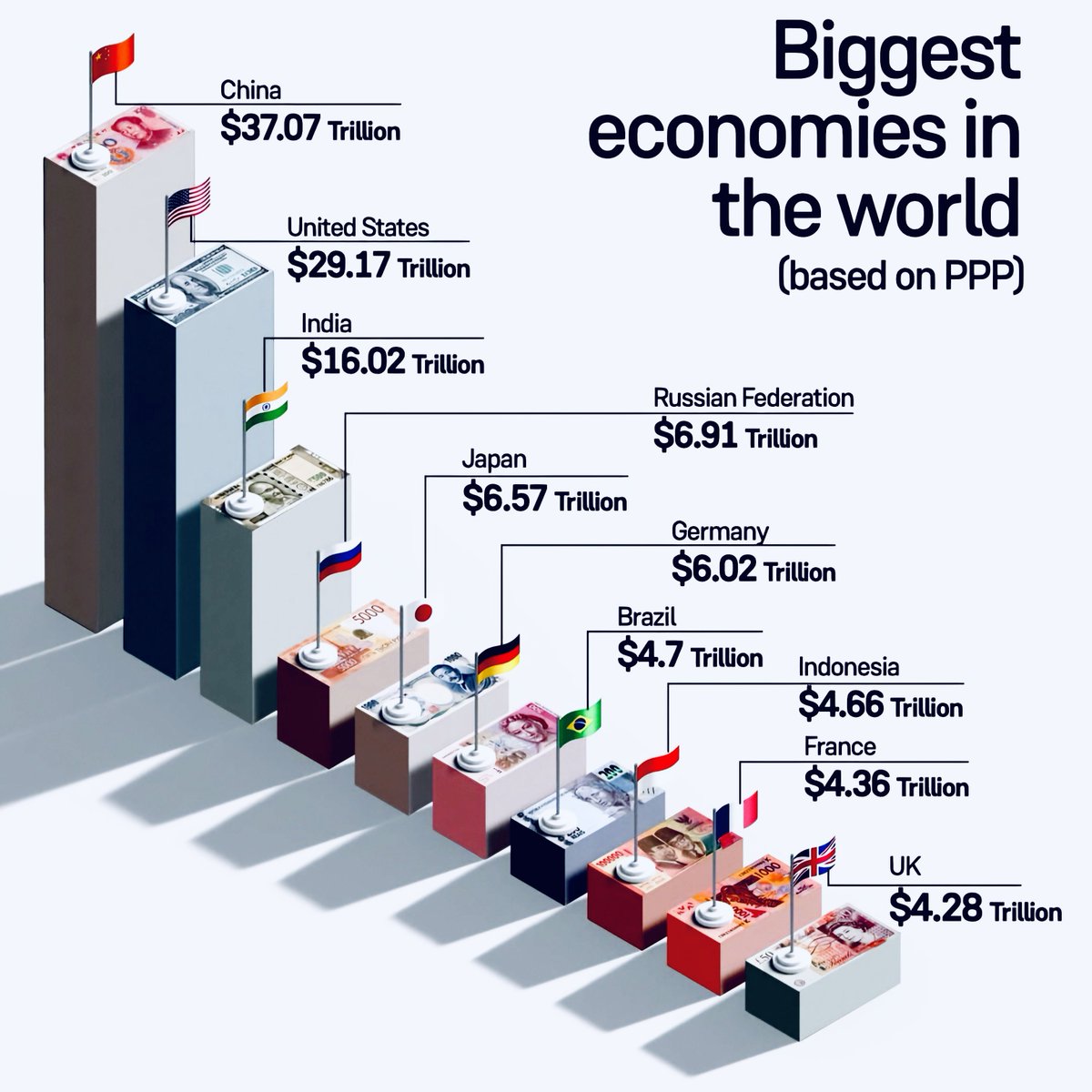
As we move further into 2025, the landscape of global economies continues to shift, driven by technological advancements, geopolitical developments, and evolving consumer markets. Here’s a detailed rundown of the current top ten largest economies in the world, measured by Purchasing Power Parity (PPP), which offers a more accurate comparison of living standards and economic productivity across nations.
1. China: The Unmatched Titan of Growth
China retains its position as the world’s largest economy by PPP in 2025. With a sprawling manufacturing sector, burgeoning technology industry, and expanding consumer market, China’s economic influence remains unmatched. The nation has made significant investments in artificial intelligence, green energy, and infrastructure, positioning itself as a global leader. Its economic policies aimed at sustainable growth continue to bolster its GDP, reflecting resilience despite global challenges.
2. United States: The Global Leader in Innovation
The United States holds the second spot but remains a major economic powerhouse. Technology giants, financial services, and advanced manufacturing contribute heavily to its economic strength. In 2025, the U.S. continues to lead in innovation, with Silicon Valley spearheading advancements in AI, biotech, and renewable energy. Consumer spending, a vital component of its economy, remains robust, fueling steady growth despite rising inflation concerns.
3. India: The Emerging Superpower
India’s economy has surged forward, placing it third worldwide. Rapid urbanization, a youthful population, and a booming digital economy have propelled its growth. The government’s focus on infrastructure development, manufacturing, and digital transformation has created new opportunities and strengthened its global standing. As India continues to grow, it’s increasingly becoming a key player in international trade and investment.
4. Japan: The Advanced Technological Hub
Japan maintains its position as the fourth-largest economy, driven by its advanced technology sectors, including robotics, automobiles, and electronics. Despite facing demographic challenges such as an aging population, Japan’s innovation capacity and high productivity levels sustain its economic prominence. Its focus on talent retention and technological innovation keeps it a vital global economic actor.
5. Germany: The Industrial Powerhouse of Europe
Germany remains Europe’s economic engine, with a focus on high-quality manufacturing, automotive, and engineering industries. Its export-driven economy benefits from a highly skilled workforce and strong EU trade links. In 2025, Germany emphasizes green technology and sustainable manufacturing processes, aligning with global climate goals and maintaining its competitive edge.
6. Indonesia: Southeast Asia’s Emerging Giant
Indonesia has rapidly risen to become Southeast Asia’s largest economy, thanks to its abundant natural resources, a growing middle class, and infrastructure investment. The country is capitalizing on its strategic geographic position to boost trade and manufacturing. Digital innovation and renewable energy initiatives are further propelling its economy into a new phase of growth.
7. Russia: The Power of Natural Resources
Russia’s economy remains robust, largely due to its vast energy and natural resource reserves. While geopolitical tensions have occasionally impacted its global standing, Russia’s focus on diversifying its economy and pursuing technological innovation has helped sustain its position among the top ten. The nation is increasingly investing in IT and agriculture to reduce dependency on resource exports.
8. Brazil: South America’s Top Performer
Brazil’s economic landscape has stabilized with strategic reforms and diversification efforts. Agriculture, mining, and energy sectors continue to support growth, bolstered by increased foreign investment. The country is also investing heavily in digital infrastructure and renewable energy, positioning itself as a regional leader in sustainability and innovation.
9. Canada: The Resilient North American Economy
Canada remains a key player with a high standard of living, abundant natural resources, and thriving technology sectors. Its strong financial system and stable political environment contribute to steady growth. In 2025, Canada is focusing on clean technology, healthcare, and artificial intelligence to diversify its economy further.
10. Mexico: A Rising Powerhouse
Mexico rounds out the top ten, with a dynamic manufacturing sector, especially in automotive and electronics industries. Its strategic position as a gateway between North and South America enhances trade prospects. The nation is also making significant strides in digital transformation and renewable energy, fostering sustainable economic development.
The evolving economic landscape in 2025 illustrates a world where emerging markets increasingly influence global dynamics, while established economies continue to innovate and adapt. Understanding these shifts is key for policymakers, investors, and businesses alike, eager to navigate the opportunities and challenges ahead.
 ChatGPT
 Perplexity
 Gemini AI
 Grok AI