Select Language:
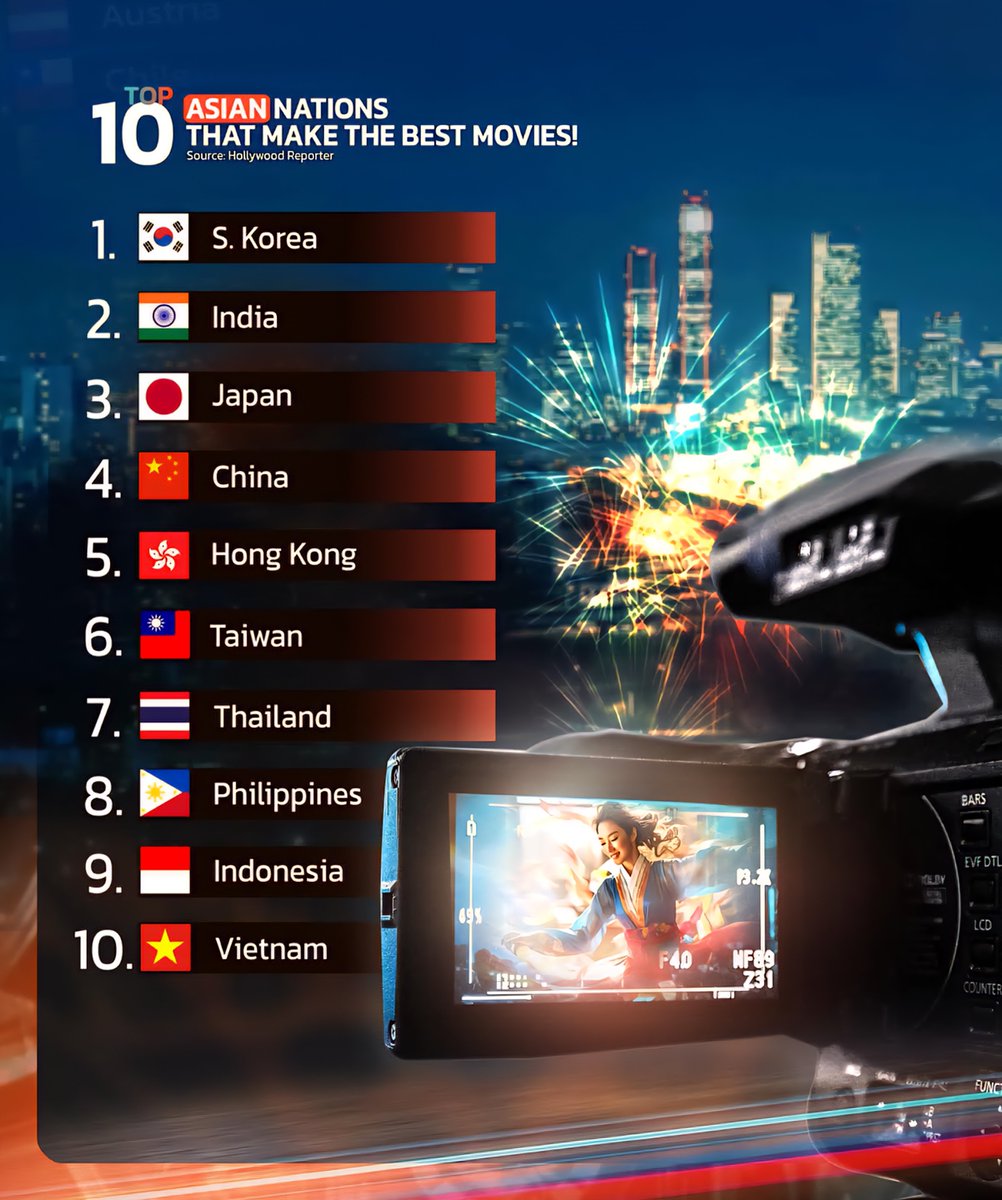
Top Asian Countries Leading the Way in Cinema Production in 2025
1. South Korea Shines as a Global Film Powerhouse
South Korea’s film industry has continued to captivate audiences worldwide in 2025, thanks to a blend of compelling storytelling and innovative filmmaking techniques. From blockbuster action flicks to critically acclaimed dramas, Korean cinema has cemented its reputation as an industry leader. The success is driven by talented directors like Bong Joon-ho and Park Chan-wook, whose films consistently earn international awards and praise. Additionally, the country’s investment in advanced technology, such as augmented reality-driven storytelling, has revolutionized viewer experience.
2. India Maintains Its Dominance with Bollywood and Beyond
India’s film industry remains an influential giant in global cinema. Bollywood, renowned for its vibrant musicals and star power, continues to produce thousands of movies annually. Beyond Bollywood, regional cinema in Tamil, Telugu, Bengali, and Marathi languages has gained prominence for its unique narratives and cultural depth. Streaming platforms like Netflix and Amazon Prime have fueled the industry’s expansion, allowing Indian filmmakers to reach a broader, international audience. The rise of regional cinema exports has taken Indian stories to the world stage like never before.
3. Japan’s Innovative Cinema Continues to Impress
Japan’s film scene is renowned for blending traditional storytelling with avant-garde techniques. Directors such as Makoto Shinkai and Hirokazu Kore-eda led a wave of critically acclaimed films this year, exploring themes from technological warfare to human relationships. Japanese anime also maintains a significant influence globally, with studios like Studio Ghibli and Toei Animation consistently releasing blockbuster titles. This year, anime films broke box office records worldwide, reaffirming Japan’s place as a top innovator in animated cinema.
4. China: The Largest Screen Market Drives Film Innovation
China remains a dominant force in global cinema, with an enormous box office that surpasses many countries. Chinese filmmakers are pushing creative boundaries to produce both patriotic epics and compelling independent stories. The government’s support for local content and international co-productions is fostering a vibrant cinematic ecosystem. Major productions like “The Great Wall Reborn” and critically praised documentary projects have helped elevate Chinese films’ global stature. Additionally, China leads in integrating technological advancements such as virtual reality into mainstream filmmaking.
5. Hong Kong’s Dynamic Film Industry Continues to Influence Hollywood
Hong Kong’s film industry has long been known for its high-octane action movies and talented actors. In 2025, Hong Kong films are noted for high-quality choreography, innovative fight scenes, and complex characters. The industry is embracing new storytelling formats, including digital streaming and interactive cinema. Star actors like Tony Leung and new martial arts talents are gaining international recognition, contributing to Hong Kong’s ongoing influence on action filmmaking globally.
6. Taiwan’s Growing Cinematic Profile
Taiwanese cinema has experienced a renaissance, with directors like Hou Hsiao-hsien and Tsai Ming-liang receiving renewed attention for their poetic and socially relevant films. The country’s film industry focuses heavily on introspective narratives, political commentary, and cultural identity. Taiwan’s festivals and co-production initiatives are helping to elevate its films onto the world stage, with several titles earning awards at Cannes and Venice Film Festivals. The nation’s focus on independent and art-house cinema makes it a cultural hotspot in the Asian film scene.
7. Thailand: A Rising Star in Asian Filmmaking
Thailand’s booming film industry gained international accolades this year with visually stunning action and horror movies. Films such as “The Legend of the Temple” showcased innovation in CGI and storytelling, gaining audiences across Southeast Asia and beyond. Thai filmmakers are also gaining recognition at festivals for their ability to blend folklore with modern narratives. The country’s strategic investment in film tourism and production infrastructure continues to attract international film crews, boosting the industry.
8. Philippines: From Local Stories to Global Recognition
The Philippines has cemented its position as a dynamic filmmaking nation, producing diverse content that resonates globally. Young filmmakers are exploring genres like psychological thrillers and social dramas with fresh perspectives. Films highlighting Filipino culture and history are reaching international audiences through streaming platforms. Additionally, collaborations with Hollywood and Asian studio giants are helping Filipino cinema gain broader recognition. The vibrant film festivals and local talent development initiatives are vital to this growth.
9. Indonesia: The Emerging Film Destination in Southeast Asia
Indonesia’s film industry has experienced significant growth, focusing on storytelling rooted in its diverse cultures. Recent blockbusters like “Java Warrior” fetched attention for their epic scale and cultural authenticity. The government’s support for local filmmakers and infrastructure upgrades have provided a fertile environment for creative expansion. Indonesian cinema is increasingly showcased at international festivals, capturing the attention of global audiences and critics alike.
10. Vietnam: A New Hub for Artistic Films
Vietnam’s film industry continues to rise with a focus on artistic and socially conscious films. Directors like Nguyen Hoang Anh and Tran Anh Hung are gaining acclaim for their thought-provoking narratives. Vietnam’s scenic landscapes and rich history serve as perfect backdrops for storytelling that appeals to global arthouse audiences. The country’s film festivals have become key platforms for showcasing emerging Vietnamese talent, making it one of Asia’s most exciting cinema destinations in 2025.
Source: Hollywood Reporter
 ChatGPT
 Perplexity
 Gemini AI
 Grok AI