Select Language:

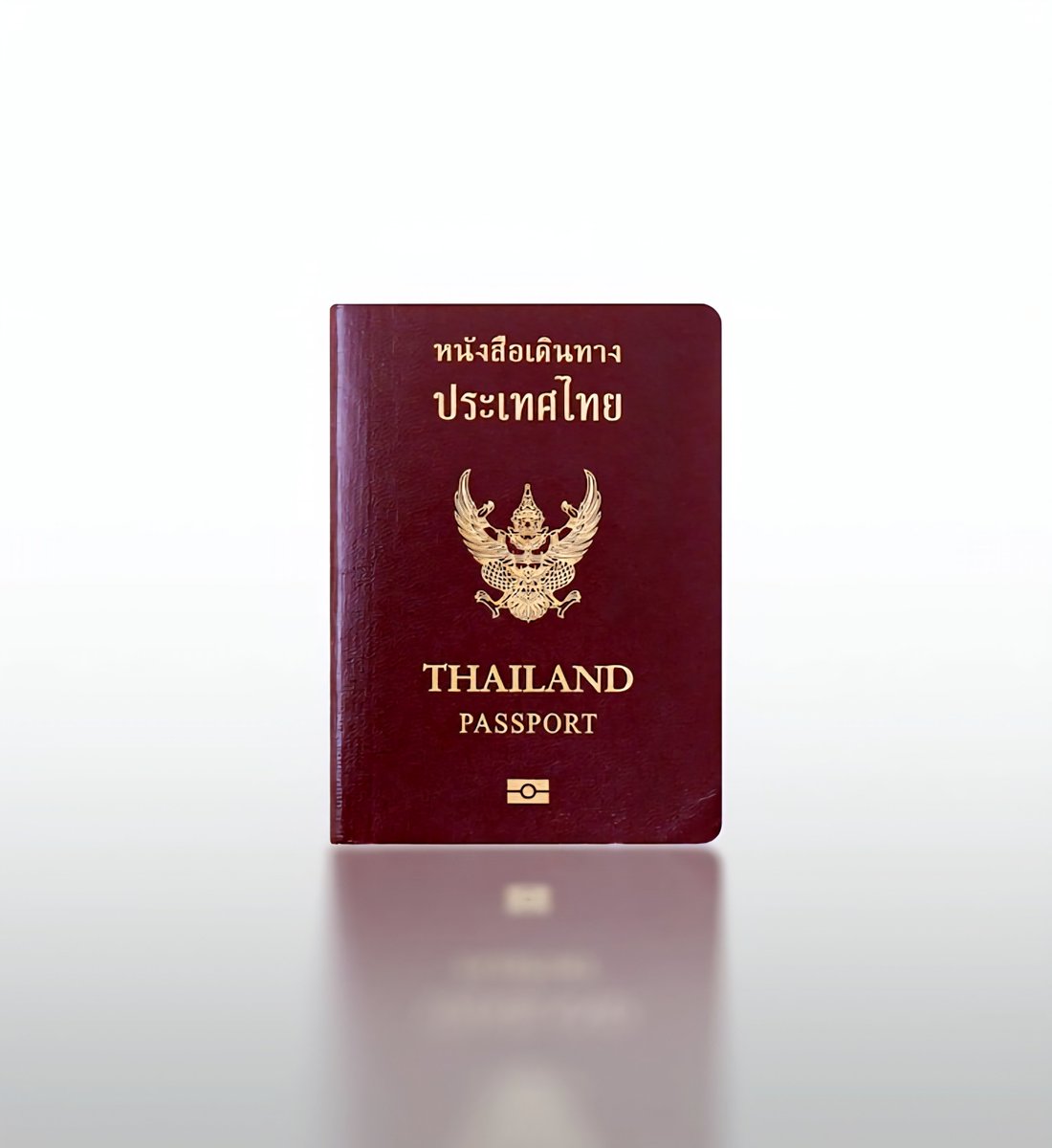
The progression of Thailand’s passport rankings over the past two decades reflects significant shifts in global mobility, political stability, and diplomatic relationships. In 2006, Thailand’s passport was ranked 79th worldwide, providing limited international access. Fast forward to 2026, and the rank has improved to 59th, illustrating ongoing efforts to bolster global mobility for Thai citizens.
1. Early Years (2006–2012): Struggles with Mobility
In 2006, Thailand’s passport was ranked 79th, indicating fewer countries welcoming Thai passport holders visa-free or with visa-on-arrival privileges. Throughout 2007 and 2008, the ranking fluctuated marginally, peaking at 72nd place in 2008 and maintaining that stature through 2009. During these years, Thailand faced political turbulence that impacted diplomatic relations, which, in turn, affected passport strength and international tourism.
Between 2010 and 2012, the passport’s ranking steadily improved from 67th to 64th, signaling a gradual restoration of diplomatic ties and Thailand’s efforts to expand visa-free travel options. Recognizable figures such as the enhancements in diplomatic outreach and tourism policies played a role in this improvement.
2. Gradual Rise and Stabilization (2013–2018): Steady Gains
Starting in 2013, the Thai passport climbed to 61st place, then to 60th in 2014. However, a slight dip to 62nd occurred in 2015. The passport then gained momentum, reaching the top 60s again in 2016 and maintaining that through 2017 and 2018 at 58th. During this period, Thailand’s government prioritized strengthening diplomatic relationships, leading to increased visa-free access with numerous countries, especially in Africa, Asia, and parts of Europe.
3. Slight Decline Amid Global Uncertainty (2019–2022): Impact of Global Affairs
In 2019, the passport dropped to 59th, and the trend continued into 2020 when it slipped to 63rd amidst the onset of the COVID-19 pandemic. The subsequent years saw minor setbacks, with the rank settling at 66th in 2022. These declines can be attributed to the international travel restrictions and diplomatic uncertainties caused by the pandemic, which temporarily limited visa-free travel opportunities.
4. Rebound and Continued Growth (2023–2026): Towards Greater Freedom
2023 saw a slight improvement to 68th before bouncing back in 2024 to 63rd. By 2025, the ranking moved up again to 61st, and in 2026, it further advanced to 59th. The upward trajectory reflects Thailand’s ongoing negotiations for visa-free agreements and strategic diplomatic efforts aimed at enhancing mobility.
5. Implications for Thai Travelers
A higher passport rank translates to greater ease of travel, reduced need for visas, and increased international business and leisure opportunities for Thai citizens. The recent improvements suggest Thailand is making progress in this matter, likely driven by a combination of diplomatic negotiations, economic initiatives, and a focus on tourism recovery.
6. The Path Forward
Moving into 2027, experts anticipate Thailand will continue expanding visa-free access, especially with emerging markets and neighboring nations. Continued diplomatic engagement and participation in international agreements will remain crucial, ensuring Thai travelers enjoy greater freedom and convenience on the global stage.
The evolution of Thailand’s passport power over the last two decades exemplifies how diplomatic efforts and global events influence international mobility. The steady upward trend signifies progress, but ongoing efforts are essential to reach higher ranks and unlock new opportunities for Thai passport holders worldwide.
Disclaimer: The rankings are based on the Henley Passport Index and other global mobility assessments, reflecting visa-free and visa-on-arrival access points as of 2025.
 ChatGPT
 Perplexity
 Gemini AI
 Grok AI