Select Language:
Nigeria’s Passport Power: A Journey Through Yearly Rankings (2006-2026)
Over the past two decades, Nigeria’s passport ranking has experienced fluctuations, reflecting geopolitical shifts, diplomatic relations, and visa policies worldwide. Here’s a detailed look at how Nigerian passport strength has evolved from 2006 through 2026.
The Rise and Fall of Nigeria’s Passport Strength (2006-2015)
-
2006-2009: Early Fluctuations and Moderate Strength
In 2006, Nigeria’s passport was ranked 62nd globally, marking a decent position compared to many African nations. Over the next few years, the rank dipped slightly—dropping to 67th by 2008 and maintaining that position into 2009. During this period, Nigeria was gradually improving its diplomatic ties, but internal poliсies and external challenges kept the passport’s global ranking somewhat stagnant. -
2010-2012: Decline Amid Challenges
From 2010, Nigeria’s ranking started to decline, reaching as low as 87th by 2012. This era was marked by heightened security concerns and visa restrictions imposed by various countries, impacting Nigerian travelers’ ease of access.ADVERTISEMENT -
2013-2015: Slight Recovery and Stability
Post-2012, Nigeria’s passport saw a modest recovery, slightly improving to 78th in 2013 and stabilizing around the high 90s by 2015. Still, these rankings reflected persistent visa restrictions, hindering the passport’s global mobility.
The Period of Stagnation and Decline (2016-2021)
-
2016-2017: Minor Improvements
In 2016, Nigeria’s passport ranked 92nd, a slight step up from the previous years. The trend continued into 2017, with the rank improving marginally to 91st, as Nigeria made efforts to strengthen diplomatic relations. -
2018-2020: Near-Stagnation
The Nigerian passport hovered around the mid-90s, with rankings of 94th in 2018 and sitting at 95th from 2019 through 2020. During these years, international mobility remained limited for Nigerian passport holders, with many countries maintaining restrictive visa policies. -
2021: Record Low
In 2021, Nigeria’s passport hit its lowest point in this period at 103rd place, reflecting increased visa restrictions, political uncertainties, and diplomatic shifts. This marked a challenging year for Nigerian travelers seeking global mobility.
Slight Improvements and Fluctuations (2022-2025)
-
2022-2023: Recognizing the Shift
The ranking saw some upward movement, reaching 98th in 2022 and slightly improving to 97th in 2023. Diplomatic efforts and some visa policy relaxations contributed to this positive change, though Nigeria’s position remained below many peers. -
2024-2025: A More Notable Rise
In 2024, Nigeria’s passport climbed to 92nd, a significant rebound after years of stagnation. By 2025, it experienced a slight dip again to 94th, highlighting ongoing challenges but also resilience in diplomatic relations.
The Outlook: Nigeria’s Passport Approaching 2026
- 2026: A Promising Forward Leap
Looking ahead, Nigeria’s passport has shown promising progress, reaching 89th place for 2026. This upward trajectory suggests potential diplomatic breakthroughs, visa policy easing, and efforts to expand global mobility for Nigerian citizens.
What This Means for Nigerian Travelers
The fluctuating rankings embody Nigeria’s ongoing journey toward greater international mobility. While periods of decline highlight the challenges faced, recent improvements indicate efforts towards stronger diplomatic ties and better visa access.
Key Factors Influencing Nigeria’s Passport Power
- Diplomatic Relations: New agreements and diplomatic partnerships can open visa-free travel opportunities.
- Global Security Policies: International security concerns directly impact visa approvals for Nigerian nationals.
- Economic Stability: Economic initiatives and political stability often align with improved international trust and access.
As Nigeria continues navigating the complex landscape of international diplomacy, the hope remains that the nation’s passport power will keep climbing, granting its citizens broader access worldwide. With unified efforts and strategic diplomatic engagement, Nigeria can aim for a significantly higher global passport rank in the coming years.
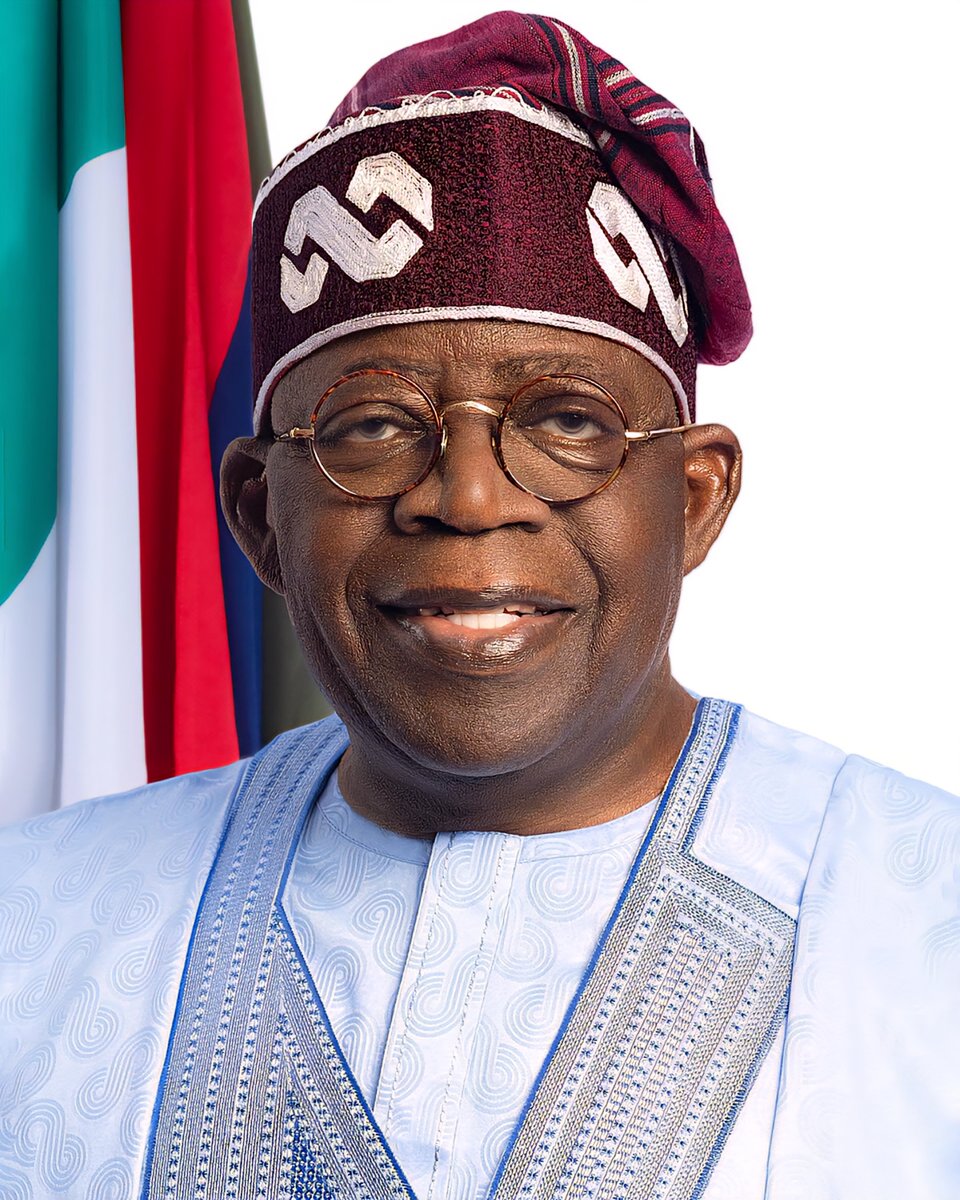
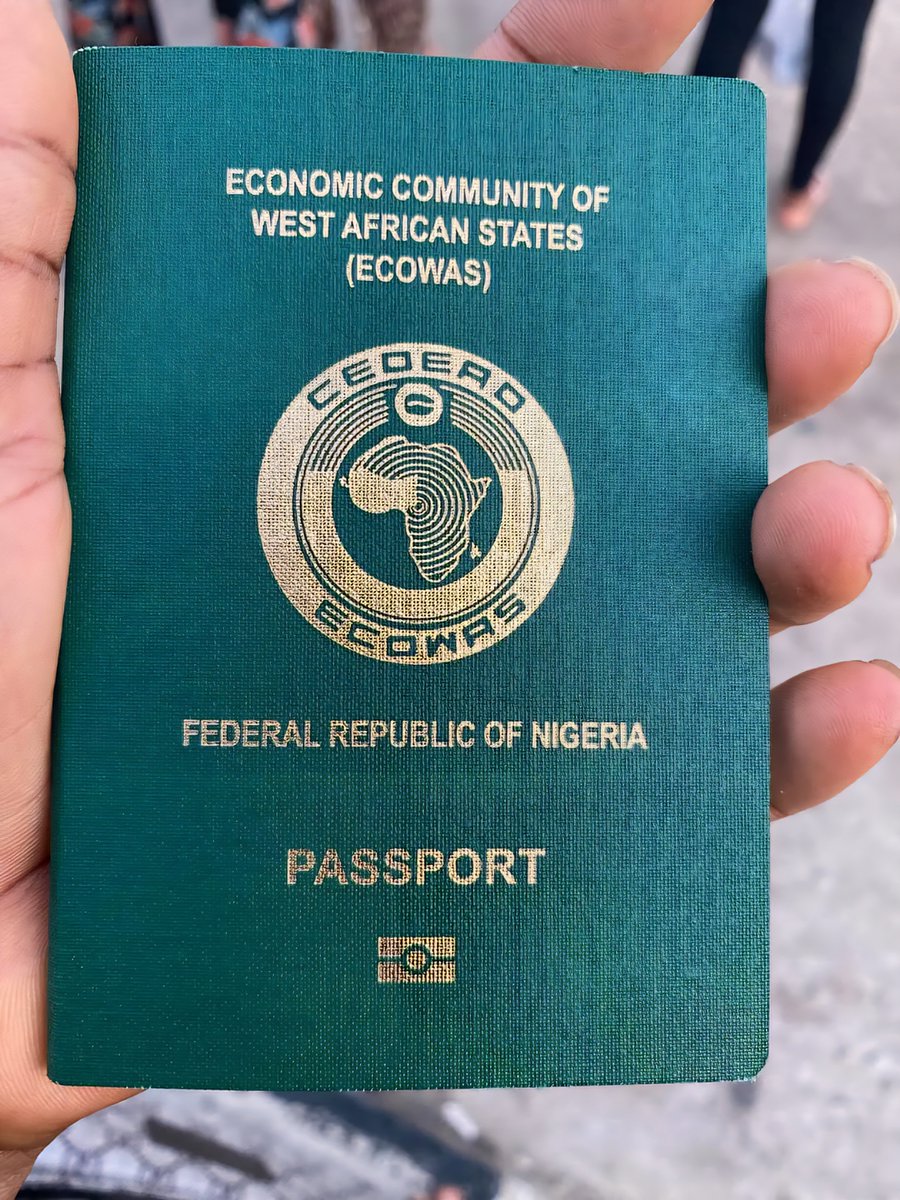
(Images sourced from Twitter, illustrating Nigeria’s international presence and diplomatic proximity)
 ChatGPT
 Perplexity
 Gemini AI
 Grok AI