Select Language:
Iran’s Passport Power: A Look at the Fluctuations from 2006 to 2026
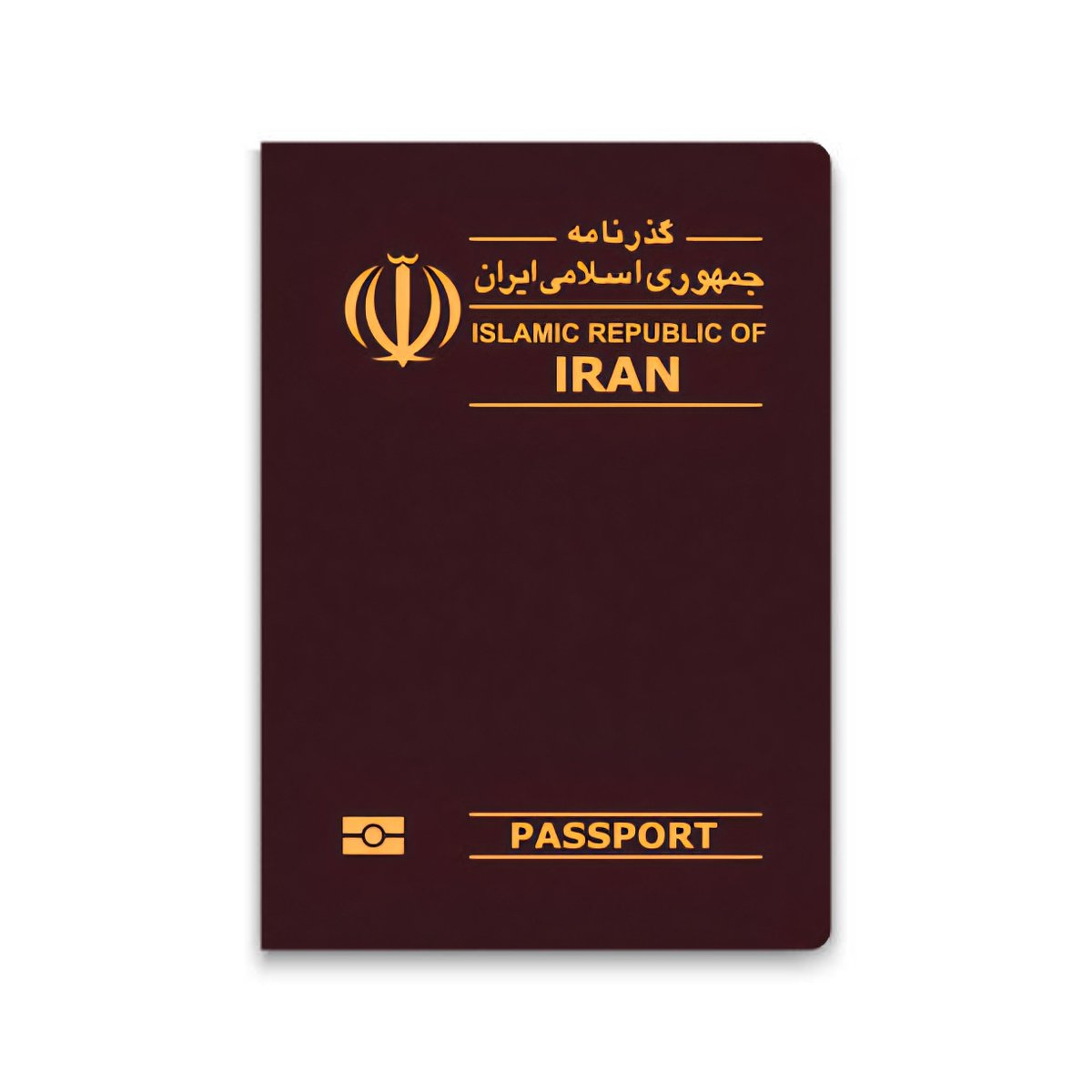
Over the past two decades, Iran’s passport has experienced significant shifts in global ranking, reflecting changing geopolitical factors, diplomatic relations, and regional stability. Analyzing the journey from 2006 through 2026 offers insights into how international dynamics influence citizenship mobility and travel freedom.
1. The Early Years: A Struggling Passport (2006-2012)
During the first years of the century, Iran’s passport was relatively weak on the global stage. In 2006, it sat at 82nd place, with citizens facing strict visa requirements for many countries. As the years progressed, the ranking declined further, reaching 94th in 2011 and hitting its lowest point at 96th in 2012.
This period marked increased geopolitical tensions and sanctions, which contributed to Iran’s limited travel freedom. Notably, the visa restrictions curtailed international mobility for Iranian travelers, making their passports less powerful globally.
2. A Slight Revival and Fluctuations (2013-2018)
From 2013 onward, Iran’s passport experienced some fluctuations. In 2013, it climbed to 86th, suggesting slight diplomatic thawing or regional developments that eased some travel restrictions. However, this progress wasn’t steady; by 2015, the passport rank dipped to 102nd amid renewed sanctions and diplomatic setbacks.
By 2017, the rank improved marginally to 95th, reflecting moments of diplomatic engagement or regional stability. Nonetheless, the overall trend during these years showed inconsistency, with Iran’s passport fluctuating within the lower tiers of global rankings.
3. Impact of Geopolitical Tensions (2019-2021)
The period between 2019 and 2021 was marked by heightened tensions, both regionally and internationally. Iran’s passport rank stagnated around 98th to 107th, indicating a period of diplomatic strain. The 2020 global health crisis and political upheavals further complicated travel prospects, constraining Iranian citizens’ ability to visit many countries without visas.
Interestingly, in 2021, the passport ranked at 107th – the lowest in the last decade. This downturn underscores how geopolitical tensions can directly influence passport credibility and travelers’ mobility.
4. Signs of Recovery and Diplomatic Progress (2022-2026)
Starting in 2022, Iran’s passport began to gain ground again. The ranking improved to 101st, then to 99th in 2023, reflecting minor but notable easing of restrictions and potential diplomatic breakthroughs. In 2024, the passport’s rank shifted upward to 95th, signaling a positive trend.
By 2025, the ranking settled at 96th, aligning with ongoing international negotiations and regional stability efforts. Interestingly, in 2026, the passport saw a significant leap back to 92nd place, suggesting an improving diplomatic landscape and increased mobility for Iranian travelers.
5. What Does This Mean for Iranian Travelers?
The fluctuations in Iran’s passport ranking reflect a country navigating complex geopolitical waters. When ranked higher, Iranian passport holders enjoy more visa-free or visa-on-arrival access, facilitating easier international travel. Conversely, lower rankings mean increased visa requirements, limiting options for Iranians planning trips abroad.
The recent upward trend indicates a cautiously optimistic outlook, with diplomatic efforts potentially bolstering travel freedoms in the coming years. For travelers and international observers, Iran’s passport evolution remains a barometer of regional stability and international relations.
Final Takeaway
Iran’s passport journey over the past two decades encapsulates the broader geopolitical shifts influencing global mobility. As the country continues to engage diplomatically and work toward stability, the power of its passport is expected to grow, enhancing travel opportunities for its citizens.
Note: The rankings are based on the number of countries accessible visa-free or with visa-on-arrival.
 ChatGPT
 Perplexity
 Gemini AI
 Grok AI