Select Language:
How India’s Passport Power Has Evolved Over the Years
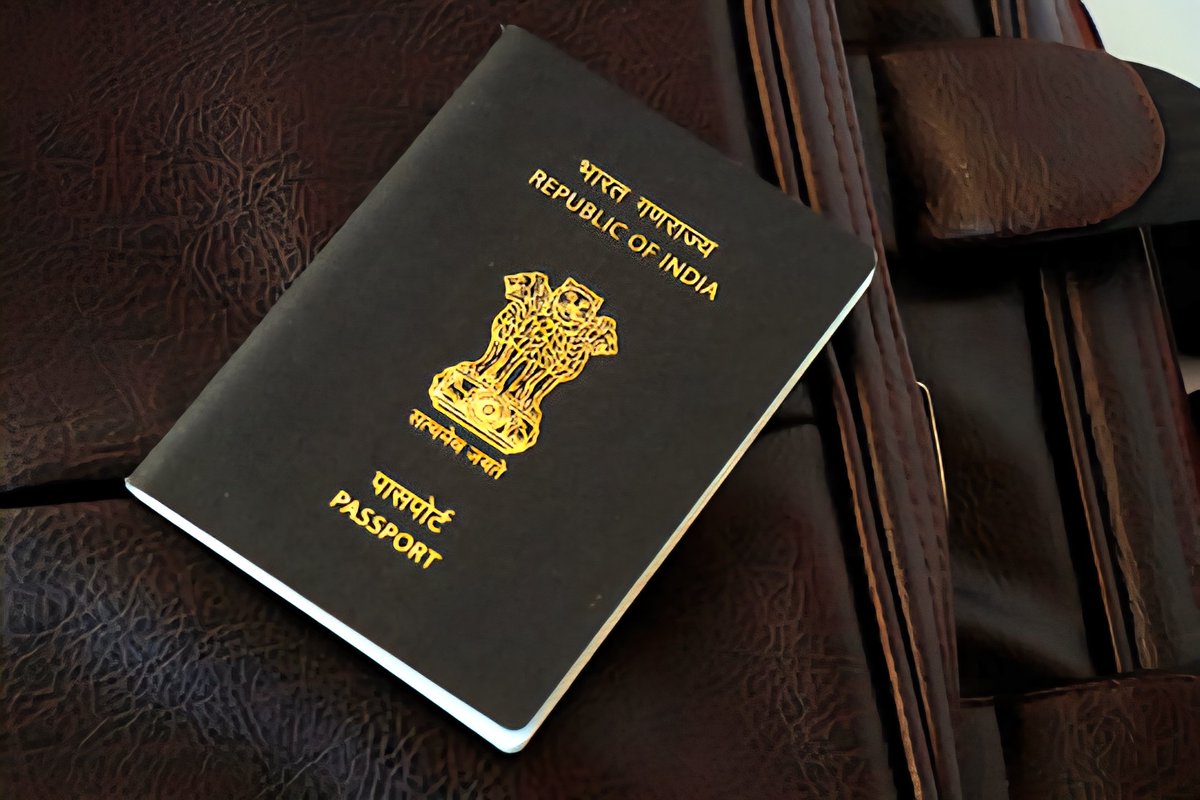
India’s Passport Rankings: A Journey from 68th to 75th
India’s passport strength has seen a dynamic shift over the past two decades, reflecting changing geopolitical influences, immigration policies, and international relations. In 2000, the Indian passport held the 68th spot globally. Since then, its ranking has fluctuated, with notable highs and lows, illustrating the country’s ongoing diplomatic efforts and internal developments.
1. A Decade of Fluctuations (2000-2010)
India’s passport started strong at 68th in 2000. Over the following decade, the ranking dipped to the 90th position by 2021, marking a period of decline. The drop was influenced by global travel trends, visa policies of other nations, and regional diplomatic tensions.
- 2001: Rank 71
- 2002: Rank 73
- 2003-2004: Holds steady at 75
- 2005-2006: Slight recovery, ranks at 71
- 2007-2009: Fluctuates around 73-75
- 2010: Drops to 77
During this period, there was a noticeable trend of decline, especially around 2012 when India’s passport slipped to 82nd, reflecting increased visa restrictions from several countries.
2. Tenuous Recovery (2011-2015)
Post-2010, the Indian passport faced challenges with regional conflicts and changing visa policies, leading to a dip in rank. Yet, there were moments of slight recovery due to diplomatic efforts and visa relaxations from some nations.
- 2011: Rank 78
- 2012: Falls further to 82
- 2013-2014: Slight improvement, hovering around 74-76
- 2015: Hits a low at 88, India’s weakest point in the 2010s
This decline was particularly notable because it reflected a period when Indian travelers faced increased hurdles in accessing visa-free or visa-on-arrival options.
3. The Turning Point and Recent Trends (2016-2025)
The mid-2010s marked a shift toward regaining global mobility. Diplomatic initiatives, economic growth, and growing international influence gradually enhanced India’s passport power.
- 2016-2017: Slight recovery, rankings at 85-87
- 2018-2019: Stabilization around 81-82
- 2020-2022: Fluctuated around 83-90, reflecting the impact of the COVID-19 pandemic on international travel
- 2023-2025: Slight plateauing at around 82-85, with a notable rise to 75th position in 2026
In 2026, India’s passport saw a remarkable rebound to the 75th spot, marking a significant milestone. This resurgence is attributed to multiple bilateral agreements and visa facilitation strategies implemented over the recent years.
4. The Impact of International Relations on Passport Strength
The journey of India’s passport reflects broader diplomatic and economic strategies. Stronger international ties, trade agreements, and a more open visa policy have directly contributed to improved rankings.
Some factors influencing these shifts:
- Regional Geopolitical Changes: Enhanced diplomatic relations with Europe, the Middle East, and Southeast Asia.
- Visa-on-Arrival Options: Countries expanding visa-free access to Indian travelers.
- Digital Visa Systems: Implementation of e-visas for quicker processing and wider accessibility.
5. The Global Context and Future Outlook
While India has made notable progress, the global passport landscape continues to evolve with countries vying for more accessible travel policies. The International Passport Power Index suggests that by 2026, India’s focus on diplomatic outreach and visa agreements has significantly paid off, elevating it to higher echelons.
Key Takeaways:
- India is on an upward trajectory in global passport rankings.
- Diplomatic efforts and international collaborations are central to this progress.
- The country’s increased global mobility reflects its rising influence on the world stage.
India’s passport story from 2000 to 2025 underscores a nation steadily reclaiming its position in global mobility. As diplomatic ties strengthen and travel barriers diminish, India’s passport will likely continue to climb the ranks in the coming years, offering its citizens better access and opportunities worldwide.
 ChatGPT
 Perplexity
 Gemini AI
 Grok AI