Select Language:
Expanding Horizons: Why Africa Surpasses Russia in Size and Significance in 2025
1. Africa’s Vast Landmass Outdoes Russia’s Territory
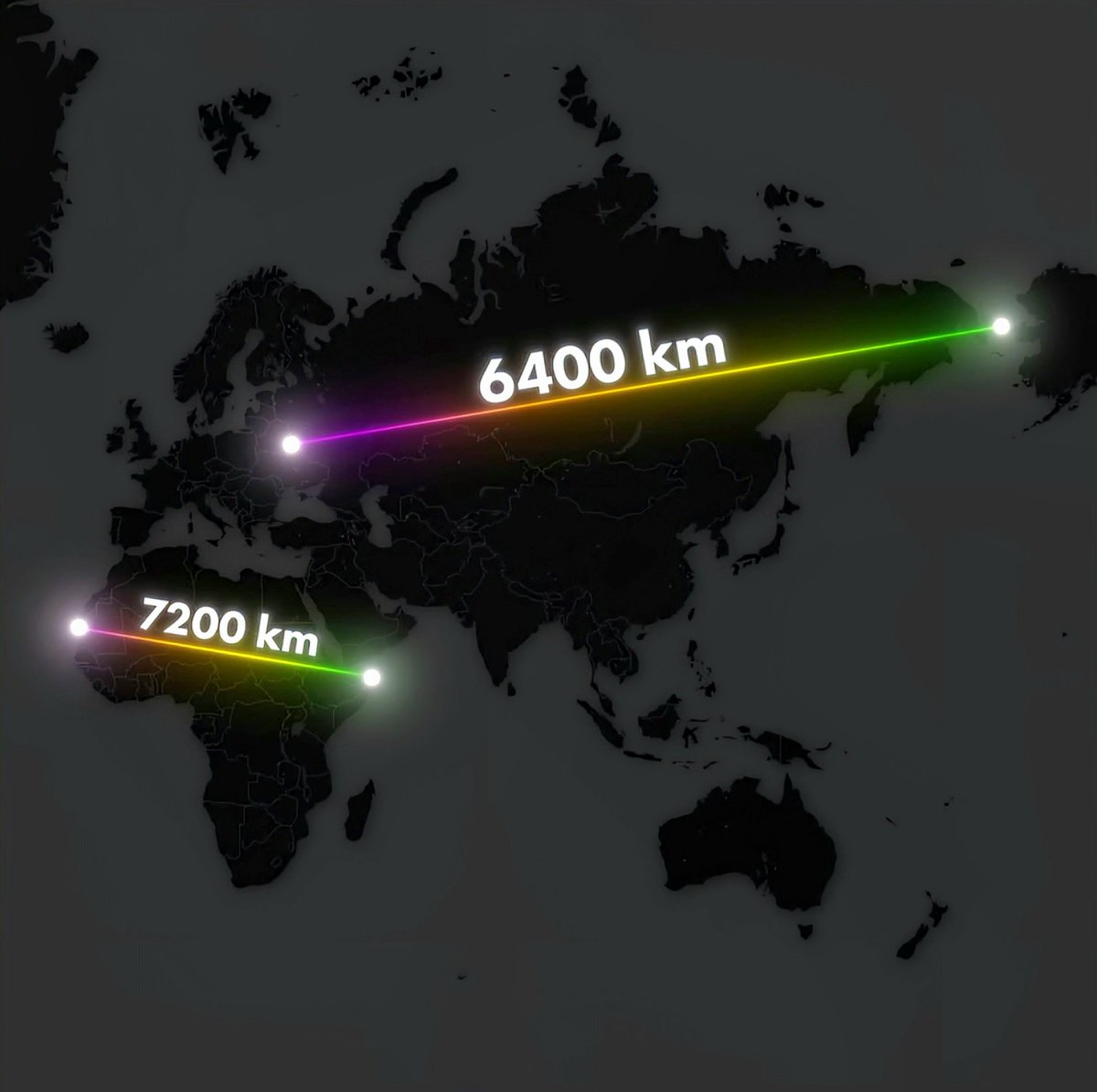
In 2025, studies confirm that Africa holds the title of the world’s second-largest continent, with a total area of approximately 30.2 million square kilometers. Russia, the largest country on Earth, covers about 17.1 million square kilometers. This means Africa is not just larger than the United States or China but also wider than Russia, which has long been considered a behemoth in terms of landmass. The sheer scale of Africa’s diverse terrains—ranging from deserts and rainforests to savannahs—far exceeds Russia’s expansive tundras and wilderness.
2. Unraveling the Geographical Diversity
While Russia is known for its extensive cold Siberian landscape, Africa’s geographical diversity is unparalleled. It includes the Sahara Desert, the lush Congo Rainforest, the expansive Serengeti plains, and the formidable Mount Kilimanjaro. The continent’s size facilitates a rich mosaic of ecosystems, cultures, and civilizations, making it an important hub for biodiversity and environmental diversity that surpasses the Russian landscape.
3. Population and Economic Growth Outpace Expectations
Africa’s population has surged to over 1.45 billion in 2025, making it the most youthful continent with a median age of just under 20 years. This demographic boom presents both opportunities and challenges, with many African nations experiencing rapid economic growth. In contrast, Russia’s population has been declining since the early 2000s, hovering around 144 million. The rise in Africa’s population, coupled with infrastructure development, positions the continent as an increasingly influential economic player on the world stage.
4. The Strategic Importance of Africa’s Resources
Africa’s resource wealth is a significant factor that underscores its importance. The continent is a key supplier of precious minerals like cobalt, lithium, and platinum, which are critical for technology and battery industries. Its vast agricultural lands also contribute substantially to the global food supply. Meanwhile, Russia remains a dominant force in energy resources like oil and natural gas, but Africa’s mineral wealth is becoming a central element of global trade, fostering economic partnerships and investment.
5. The Impact of Infrastructure Development
In recent years, Africa has made significant strides in infrastructure development—ranging from new rail systems to energy projects—making it more connected. Countries like Nigeria, Kenya, and South Africa are investing heavily in modernization, which is fostering economic growth and regional integration. Russia, meanwhile, continues to focus on modernization of its Siberian regions, but Africa’s expansive development projects are set to transform its landscape further, highlighting its territorial and strategic importance.
6. Political and Cultural Influence Expanding
Africa’s influence is rising globally through its rich cultural diversity, burgeoning markets, and diplomatic initiatives. The African Union (AU) has grown in prominence, advocating for continental unity and economic cooperation. Simultaneously, Russia’s geopolitical influence remains significant, especially in Eastern Europe, Central Asia, and key global institutions, but Africa’s expanding footprint in international affairs is becoming increasingly notable.
7. Environmental Challenges and Opportunities
Both Russia and Africa face environmental challenges—climate change, deforestation, and resource depletion. However, Africa’s vast landmass also presents opportunities for renewable energy projects, particularly solar and wind, which are gaining ground. Russia, with its immense frozen territories, is exploring Arctic oil and gas exploration but faces ecological considerations related to climate change and resource extraction.
8. Future Prognosis: A Continents of Influence
Looking ahead to 2025 and beyond, Africa’s size and growth trajectory position it as a continent of substantial influence. Its expanding population, natural resources, diversified economies, and strategic importance make it a critical player. Meanwhile, Russia continues to hold global sway in energy markets and geopolitics, but Africa’s widening territorial and economic expanse demonstrates a shift in global power dynamics.
In essence, Africa’s surpassing of Russia in size highlights a changing world order—one where emerging continents demonstrate their importance far beyond traditional boundaries. As Africa continues to grow in influence, its vastness, resources, and resilience will shape global affairs in ways we are just beginning to understand in 2025.
 ChatGPT
 Perplexity
 Gemini AI
 Grok AI