
Select Language:
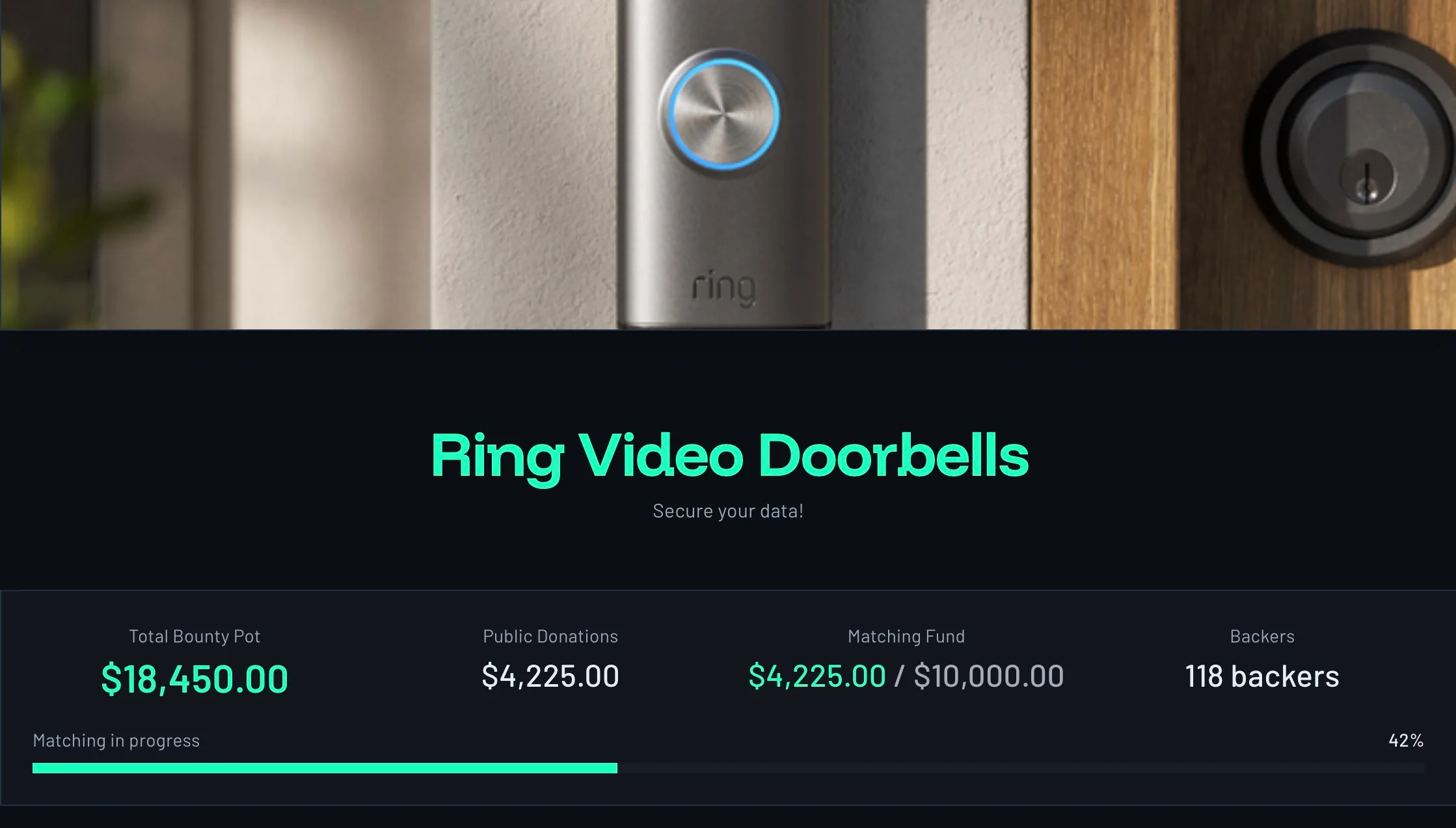
The Fulu Foundation is offering a cash reward to anyone able to break free Ring cameras from Amazon’s data ecosystem. The purpose isn’t to gain unauthorized access for malicious purposes or surveillance. Instead, it’s about empowering homeowners with control over devices already installed in their residences, without forcing those cameras to constantly transmit data back to Amazon.
The challenge focuses on Ring’s video doorbell cameras, which are closely linked to Amazon’s cloud infrastructure. Participants are being asked to develop methods to prevent these devices from sharing data with Amazon servers—without disabling the cameras’ core functions like motion detection and night vision.
This initiative is a response to growing unease with how Ring devices can be used beyond simple home security. The bounty pays a minimum of $10,000, with additional funds pledged, to anyone who can modify a Ring camera so it operates locally, blocks Amazon data sharing, and retains its essential features. The modifications must rely on affordable, readily accessible tools and be simple enough for someone with moderate technical skills to complete in less than an hour. Winners are not required to disclose their methods; however, doing so may carry legal risks under Section 1201 of the Digital Millennium Copyright Act, which governs the circumvention of digital locks. The decision to publish or keep the techniques private ultimately rests with the winner.
Concerns about Ring cameras have intensified, especially after the company expanded features like Search Party, which allows users of the Neighbors app to help locate lost pets and objects through nearby cameras. Critics argue that personal devices are quietly becoming part of a surveillance network. This apprehension grows as Ring’s CEO has spoken about using the vast camera network to “zero out crime,” framing the platform as a tool for large-scale crime prevention, not just personal safety.
These issues are reinforced by a broader skepticism regarding Amazon’s handling of user data. Past investigations have uncovered warnings about weak data protections, raising fears of potential misuse. Recent revelations show that Ring’s Android app permits undisclosed third parties to track users, and that passing by a Ring camera could even result in biometric scans.
Whether the bounty results in widespread change or not, it underscores the demand for increased transparency and user control in connected home technology. For those who prefer not to share data, Ring offers options to opt out and instructions on how to disable features like Search Party.
 ChatGPT
 Perplexity
 Gemini AI
 Grok AI