Select Language:
Healing from a wound is generally viewed as a physical process, with doctors concentrating on cleaning the injury, preventing infection, and ensuring the body has enough nutrients to repair tissue. However, recent research indicates that emotional well-being may be equally vital in the healing process.
A study conducted by researchers at the Medical University of South Carolina and other institutions found that loneliness can impact how effectively wounds heal. Published in the journal Advances in Skin & Wound Care, the research reveals that individuals experiencing loneliness may have delayed healing due to underlying changes within their bodies.
Chronic wounds are those that fail to heal within four weeks and are common among people with conditions such as diabetes or poor circulation. These wounds can be painful, difficult to treat, and may cause serious complications if not properly managed. The study focused on patients with persistent leg and foot wounds, aiming to understand why some individuals recover more slowly despite receiving appropriate medical treatment.
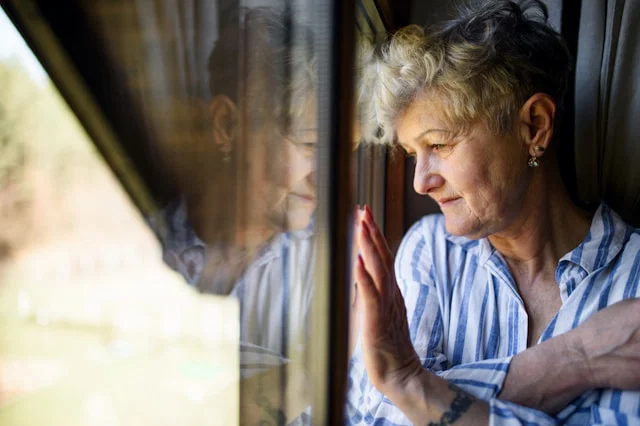
Many of these patients seemed to have all the necessary factors for healing—clean wounds, good nutrition, and supportive environments—yet their wounds still didn’t improve as expected. This discrepancy led researchers to consider another factor: loneliness. It’s important to differentiate loneliness from simply being alone; loneliness is the feeling that one’s social relationships lack meaning or support. Someone can be surrounded by many people but still feel lonely.
To explore this, researchers used the UCLA Loneliness Scale to measure patients’ feelings of social connection. Participants were grouped based on their loneliness levels, and blood samples were analyzed to observe gene activity related to healing. The findings showed notable differences: those with higher loneliness scores exhibited increased activity in genes associated with inflammation. These genes activate the body’s immune response when fighting injury or infection, but they need to turn off after the threat is gone. In lonely individuals, these genes remained active longer than they should, causing prolonged inflammation that hampers healing. A particular group of 18 genes was especially active among those feeling lonely.
This research aligns with the emerging field of social genomics, which investigates how social experiences influence gene regulation. The evidence from this study underscores that emotional states can directly affect biological functions. It appears that loneliness might induce a persistent stress response in the body, keeping it in a “fight or flight” mode. This chronic stress can weaken immune defenses and slow down wound recovery.
Fortunately, scientists believe this process can be altered. Future studies are planned to explore whether therapies like cognitive behavioral therapy (CBT) can reduce feelings of loneliness and enhance healing. Early results suggest that changes in gene activity are possible within just a few months of intervention.
Overall, this research emphasizes the importance of considering patients as complete individuals, not solely their physical ailments. Effective wound care might require addressing emotional health and strengthening social connections alongside medical treatments. However, the study’s small sample size indicates that further research with larger groups is needed to substantiate these findings, as loneliness is a complex issue influenced by multiple factors.
In summary, the study reveals that emotional health—particularly feelings of loneliness—can profoundly impact physical healing. Recognizing loneliness as a biological factor may lead to new approaches in medical care, especially for those with chronic wounds. Addressing emotional well-being might become a crucial component of recovery strategies in the future.
If you’re interested in mental health, consider exploring studies about how dairy intake might influence depression risk or how B vitamins could help prevent depression and anxiety. Recent research also suggests that ultra-processed foods may contribute to depression, while extra-virgin olive oil could help reduce symptoms.
Source: Medical University of South Carolina.
 ChatGPT
 Perplexity
 Gemini AI
 Grok AI