
Select Language:
High blood pressure is one of the most widespread health issues globally today. Many individuals live with it undiagnosed because it often develops silently over years. If not managed, high blood pressure can gradually damage blood vessels and elevate the risk of heart attacks, strokes, kidney disease, and heart failure.
Healthcare providers have long recommended eating healthier foods, staying active, managing stress, and avoiding smoking to control blood pressure. Recent research, however, suggests that increasing the intake of legumes and soy foods in your diet might also help lower the risk.
This new study, published in BMJ Nutrition, Prevention & Health, analyzed data from worldwide research. It found that people who regularly consume more legumes and soy products are less likely to develop high blood pressure.
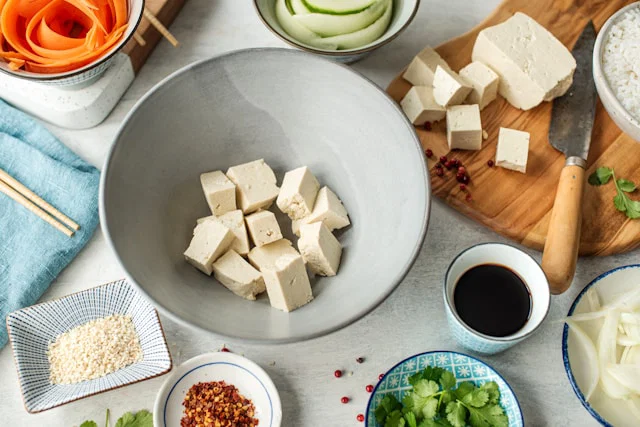
Legumes include beans, peas, lentils, and chickpeas. Soy foods such as tofu, soy milk, edamame, tempeh, and miso are also part of this group. These foods are common in many Asian diets and are gaining popularity globally as interest in plant-based eating grows.
Researchers searched scientific databases for studies up until June 2025 and selected ten publications involving 12 large observational studies. Participants came from various countries, including the US, China, Iran, South Korea, Japan, France, and the UK. Some studies followed both genders, while others focused solely on men or women.
The total number of participants ranged from just over 1,000 to more than 88,000 individuals. When combining the results, a clear trend emerged: higher legume consumption was linked to a lower chance of developing high blood pressure. Those with the highest intake of legumes were about 16% less likely to develop the condition, and those consuming more soy foods were approximately 19% less likely.
The ideal amounts appeared to be around 170 grams of legumes daily—that’s roughly one cup of cooked beans, lentils, peas, or chickpeas. For soy foods, benefits were most notable at intake levels between 60 and 80 grams per day, equivalent to a serving of tofu, soy milk, or a handful of edamame. Consuming more beyond this range didn’t seem to add extra advantages, though further research is needed to understand why.
Nutrient content likely explains these findings. Legumes and soy foods are rich in potassium, magnesium, and fiber—all vital for heart health. Potassium helps balance sodium and relax blood vessels, magnesium supports vessel function, and fiber improves overall cardiovascular and metabolic health. Additionally, fiber from these foods can promote healthy gut bacteria, which produce substances called short-chain fatty acids that may help vessels relax and improve circulation.
Soy foods also contain natural plant compounds called isoflavones, which previous studies suggest could help lower blood pressure and increase vessel flexibility. The evidence indicates a likely connection between eating more legumes and soy foods and maintaining healthier blood pressure levels.
Nevertheless, the studies had limitations. Variations in legume types, preparation methods, serving sizes, and definitions of high blood pressure could influence results. Since the research is observational, it cannot definitively prove cause and effect. Lifestyle factors might also play a role; for example, people who eat more beans and tofu could generally be healthier overall.
Despite these caveats, the findings are significant because high blood pressure is becoming more common worldwide. Many individuals still consume far less legumes than recommended—average intakes in the UK and Europe are only about 8 to 15 grams daily, well below levels linked to heart health benefits.
Professor Sumantra Ray from the NNEdPro Global Institute noted that the study reinforces the value of plant-based diets in potentially reducing global blood pressure burdens. It also offers practical dietary targets that health professionals might incorporate into future guidelines.
The strength of this research lies in the large, diverse populations studied and the considerable number of participants, boosting confidence in the findings. However, more long-term studies and clinical trials are needed to confirm whether legumes and soy directly prevent high blood pressure.
Still, the accumulating evidence suggests simple dietary choices—adding more beans, lentils, chickpeas, tofu, and soy—to your meals could be an accessible and cost-effective way to improve cardiovascular health over time.
For those concerned about high blood pressure, exploring studies on early time-restricted eating, natural coconut sugar, and their potential benefits might be worthwhile. Additionally, research indicates that reducing added sugars in your diet could help lower blood pressure, and maintaining adequate vitamin D levels may benefit individuals with diabetes.
Source: BMJ Nutrition, Prevention & Health.
 ChatGPT
 Perplexity
 Gemini AI
 Grok AI