Select Language:
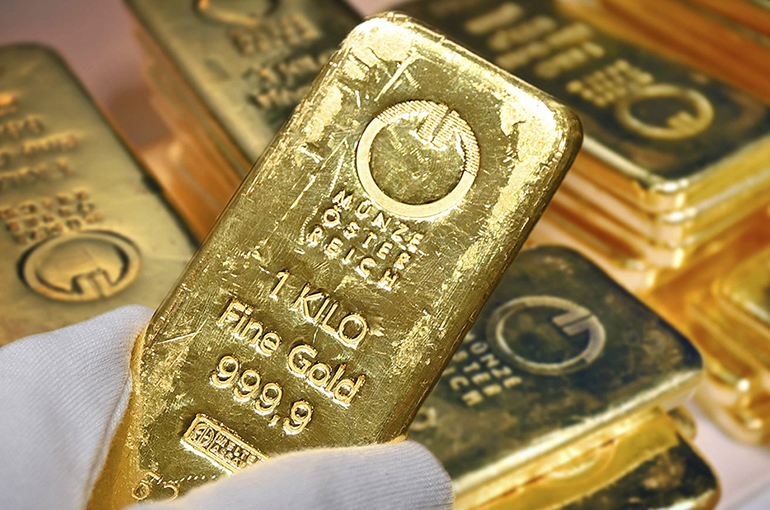
China has increased its gold reserves for the 18th consecutive month in April, accelerating its gold purchases as international prices declined. As of April 30, the country held 74.6 million ounces of gold, valued at approximately USD 344.2 billion, according to the State Administration of Foreign Exchange. This marks an increase of 260,000 ounces from the previous month, a larger rise compared to March’s 160,000 ounces, February’s 30,000 ounces, and January’s 40,000 ounces.
The recent drop in global gold prices over the past two months is primarily attributed to the Middle East crisis, which pushed oil prices higher and dampened global monetary expectations, including prospects for interest rate cuts by the Federal Reserve. This decline in gold prices appears to have prompted increased gold purchases by the central bank, explained Wang Qing, a leading macroeconomic analyst at Golden Credit Rating International.
Gold prices peaked above USD 5,400 per ounce in early March, reaching a historic high, but then retreated by about 12% in March and by another 1% in April. Over the past two trading days, prices rebounded, now hovering around USD 4,700 per ounce.
Despite these fluctuations, gold’s role as a key reserve asset for central banks remains strong. Recent data from the World Gold Council indicates that global central banks added 244 tons of gold to their reserves in the first quarter, surpassing the increases seen in the last quarter of the previous year and the five-year average.
Gold continues to be widely regarded as the ultimate form of payment worldwide. Increasing gold reserves can bolster the credibility of a country’s sovereign currency and support efforts to internationalize the Chinese yuan, Wang noted. He anticipates that the central bank will maintain its focus on accumulating gold in the future.
China’s foreign exchange reserves rose by 2.1%, or USD 68.4 billion, reaching USD 3.4105 trillion by April 30 from the end of March, marking the largest monthly increase in 28 months. The rise is mainly attributed to the weakening of the US dollar in April, which appreciated non-dollar assets within the reserves, Wang explained. Contributing factors also include the easing of market concerns regarding geopolitical tensions in the Middle East and a general increase in global financial asset prices.
Wang projects that China’s forex reserves are likely to stay relatively stable around USD 3 trillion in the near future. These reserves serve as a vital buffer, helping to maintain a stable and balanced exchange rate for the yuan amid increasing external political and economic uncertainties.
 ChatGPT
 Perplexity
 Gemini AI
 Grok AI