Select Language:
South Korea’s Passport Power: A Decade-by-Decade Breakdown

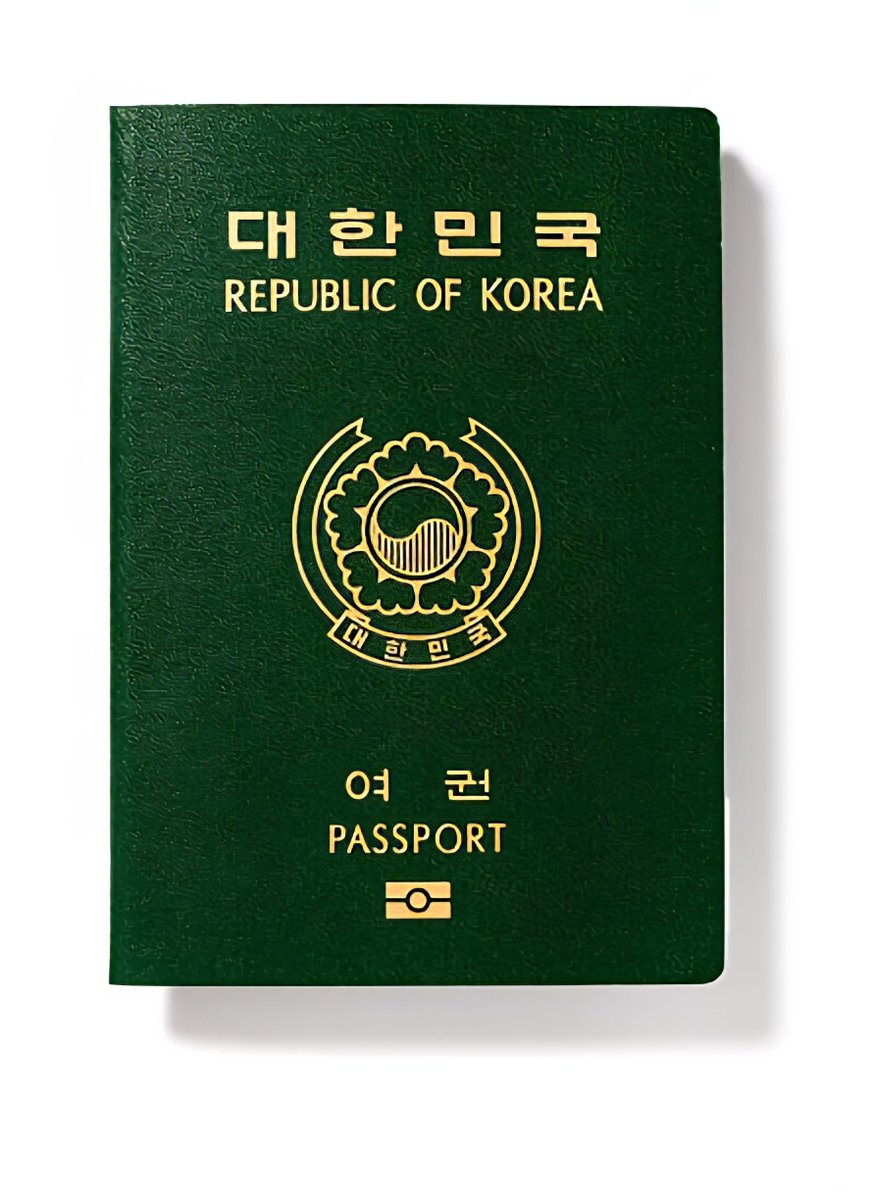
South Korea has experienced remarkable growth in its global passport ranking over the past two decades, transforming from a modest position to one of the world’s most influential travel documents. Here’s a comprehensive look at how the South Korean passport has evolved from 2006 to 2026.
The Early Years: Climbing the Ranks (2006 – 2015)
In 2006, South Korea’s passport ranked 29th worldwide, reflecting limited global mobility for its citizens. Over the next few years, steady improvements ensued, with the ranking climbing to the 20s by 2008.
The years between 2010 and 2015 marked a significant leap, as South Korea’s passport broke into the top 10, reaching the 7th position in 2015. This progress was driven by diplomatic efforts, international agreements, and a growing number of countries recognizing South Korea for visa-free or visa-on-arrival access.
Reaching the Top Tier (2016 – 2024)
The period from 2016 onward was pivotal. South Korea ascended rapidly, hitting 5th place in 2017 and securing the 4th position the following year. By 2019 and 2020, it had claimed the 3rd spot, a testament to the country’s strengthening global influence and international relations.
2021 through 2024 saw South Korea solidify its position as a top-tier passport. For three consecutive years, from 2021 to 2024, it was ranked second globally, sharing the same status with other powerhouse nations in international mobility.
Furthermore, the year 2025 marked a slight dip, with the passport ranking at 3rd due to geopolitical shifts and pandemic aftermaths that temporarily curtailed travel freedom. Despite this, South Korea regained its second-place position in 2026, demonstrating resilience and persistent diplomatic efforts.
Key Highlights of South Korea’s Passport Journey
- Steady Rise in the 2000s: From 29th place in 2006 to break into the top 10 by 2013, South Korea’s passport steadily gained recognition.
- Peak Performance: Achieving 2nd place from 2021 to 2024 illustrates how South Korea’s diplomatic ties and visa policies evolved.
- Fluctuations and Resilience: The minor drop to 3rd place in 2025 highlights the challenges faced, but the quick return to second in 2026 cements South Korea’s place among the world’s strongest passports.
What Contributes to South Korea’s Passport Strength?
The rise of South Korea’s passport power can be attributed to several factors:
- Robust Diplomatic Relations: South Korea’s proactive diplomatic initiatives have expanded visa-free agreements, especially in Asia, Europe, and the Americas.
- Economic Stability: A resilient economy boosts international cooperation and travel safety perceptions.
- International Agreements: Strategic partnerships and participation in international organizations have played a crucial role.
- Domestic Policy & Security: Enhanced passport security features and policies foster trust and facilitate visa exemptions.
Future Projections
Looking ahead to 2026, observers anticipate that South Korea will continue to hold a prominent position in the global passport rankings, possibly further improving as diplomatic relations deepen and international travel resumes full strength post-pandemic.
The country’s efforts suggest that South Korea will remain a top destination for travelers and a country leveraging its global influence to ensure their citizens enjoy maximum mobility.
In conclusion, South Korea’s journey from the 29th position in 2006 to vying for the top spot in 2026 showcases its diplomatic growth, economic resilience, and global influence. As the world navigates new diplomatic and economic landscapes, the South Korean passport stands as a symbol of national strength and international trust.
 ChatGPT
 Perplexity
 Gemini AI
 Grok AI