
Select Language:
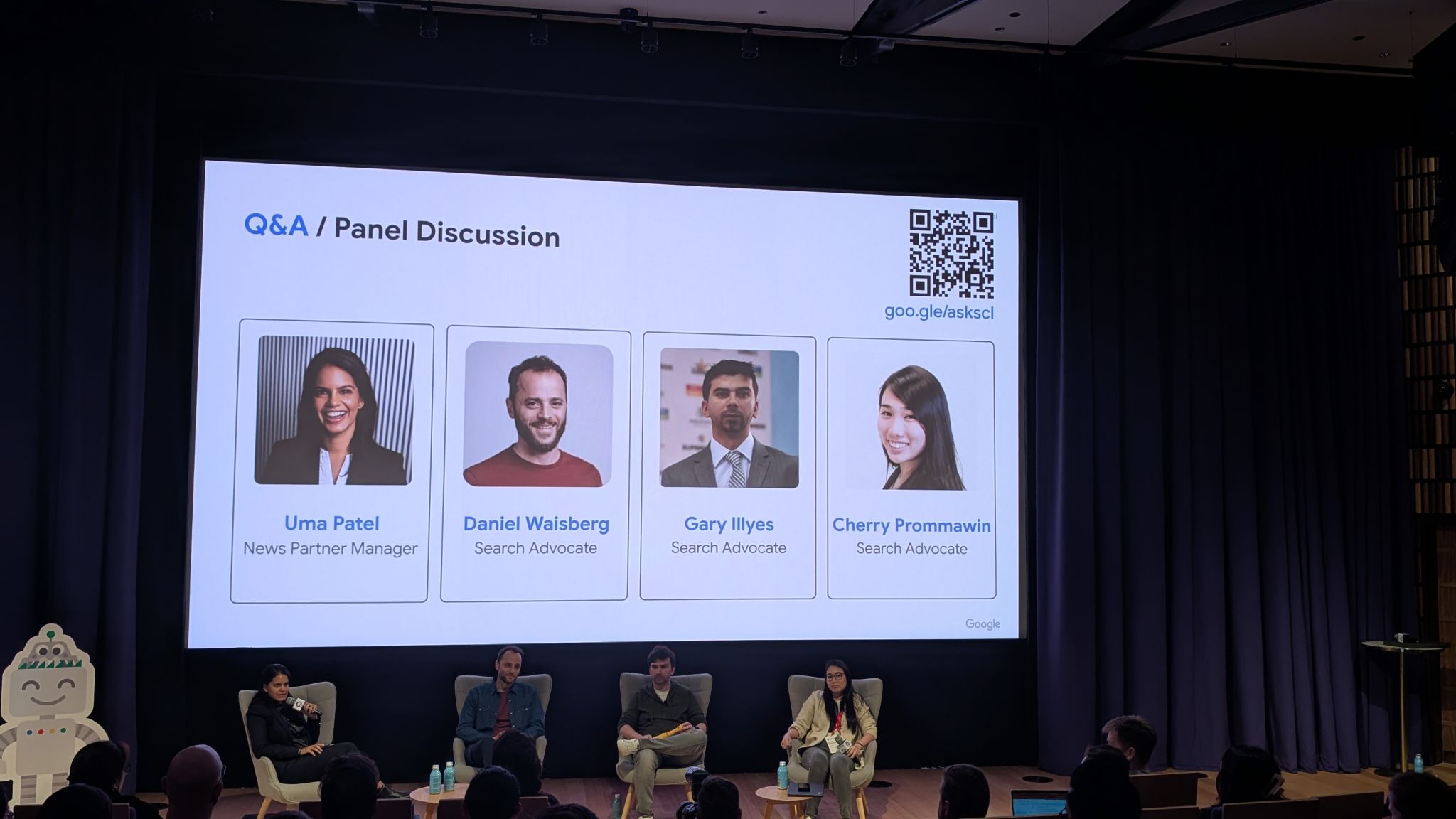
At the Search Central Live Shanghai 2026 event on May 15th, Gary Illyes from Google conveyed a clear warning against purchasing or manipulating brand mentions to influence AI-generated responses, AI Overviews, or AI Mode. This advisory aligns with recent developments in the AI and search landscape.
Kenichi Suzuki highlighted this warning on LinkedIn after a well-known AI software platform began promoting automation tools designed to buy brand mentions with the goal of having these mentions featured in AI responses across platforms like Google, ChatGPT, and Claude.
According to Suzuki, Gary Illyes and Cherry Sireetorn Prommawin did not confirm whether genuine, organic mentions provide a direct advantage for AI search engines. They acknowledged uncertainty about the actual impact of standard internet mentions. Nonetheless, both officials strongly cautioned against engaging in paid or manipulated mentions, equating such practices to paid link schemes—methods that Google’s internal algorithms can detect, discount, and ultimately ignore.
This isn’t a new warning. Previously, Google addressed similar concerns when discussing how to optimize content for generative AI, specifically mentioning that seeking inauthentic mentions—such as artificially inflating brand mentions—has limited benefits. Google’s guidance emphasizes that their core ranking systems prioritize high-quality, authentic content, and any attempt to manipulate mentions could be considered spammy behavior that will be flagged and disregarded.
This situation harkens back to the pre-Penguin era, where link-building schemes could temporarily boost rankings but often resulted in rapid penalties once detected. It serves as a reminder to avoid such black-hat tactics, as they are likely to backfire much faster in today’s environment.
A noteworthy point was Gary Illyes’ comments in Sydney, where he compared the pursuit of inauthentic mentions to paid linking practices. Both Suzuki and others have shared this insight, highlighting the importance of maintaining integrity in digital marketing efforts to prevent adverse consequences from search engines’ increasingly sophisticated detection methods.
 ChatGPT
 Perplexity
 Gemini AI
 Grok AI