
Select Language:
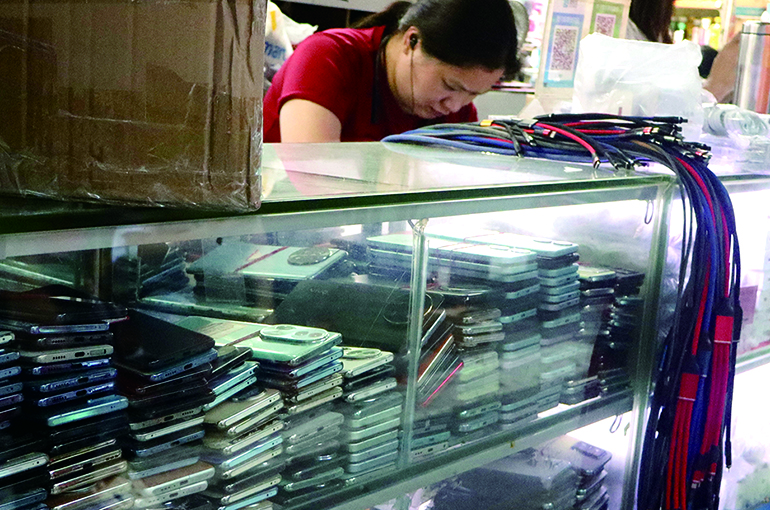
A sudden and significant drop in memory chip prices has led to a sharp decline in the resale value of used smartphones, with prices plummeting by as much as 50% this month. Overall, the market for recycling used phones has fallen by approximately 45% to 50% in April, according to a seasoned recycler operating in Shenzhen’s Huaqiang North Commercial District, one of the largest electronics hubs in the world.
Since the latter half of last year, the global supply of memory chips has remained tight. Removable Dynamic Random-Access Memory (DRAM) chips sourced from old phones have become a rare and sought-after commodity, as they are priced at just 40% to 60% of their brand-new counterparts. During the first quarter, conventional DRAM prices surged between 90% and 95%, while NAND Flash memory jumped about 55% to 60%. Based on this, several recyclers told this publication that a scrap handset cost just CNY20 (roughly USD 2.93) last year could now fetch at least CNY100 (around USD 14.63), or even CNY200, last month.
Devices that can be disassembled for DRAM chips have experienced the steepest price declines, the recycler noted. This downturn is driven by an abrupt decrease in memory costs early this month. Industry data shows that the average price for a typical 16GB DDR5 chip has fallen more than 40%, from over CNY980 in late March to approximately CNY550–CNY600.
This recent market turbulence has exposed the fragility of the second-hand electronic device recycling industry. The profitability in this sector is heavily influenced by fluctuations in upstream commodity prices, making it prone to speculation and unstable valuation. The sector lacks a stable foundation of value or the resilience to absorb market shocks. Experts believe that as the market bubble deflates, the prices for recycled phones should stabilize at a more reasonable level.
The volatility in chip prices has also attracted regulatory attention. Earlier this week, a representative from the Ministry of Industry and Information Technology stated that recent increases in memory prices have begun to impact handset prices and have garnered widespread concern. The official indicated that the ministry intends to promote supply-demand alignment, encouraging both local and international manufacturers to boost investment and increase production capacity.
Additionally, the ministry plans to foster closer coordination between device manufacturers and memory chip suppliers, diversify supply channels, and work with other government agencies to crack down on market-disturbing behaviors such as hoarding and speculative trading.
 ChatGPT
 Perplexity
 Gemini AI
 Grok AI