Select Language:
Many international delegations have arrived at this year’s climate summit in Shanghai, seeking partnership opportunities and valuable models to emulate. Unlike three years ago, when their goal was primarily to promote their own products, this time their focus is on collaboration and learning, according to a leading organizer of the event.
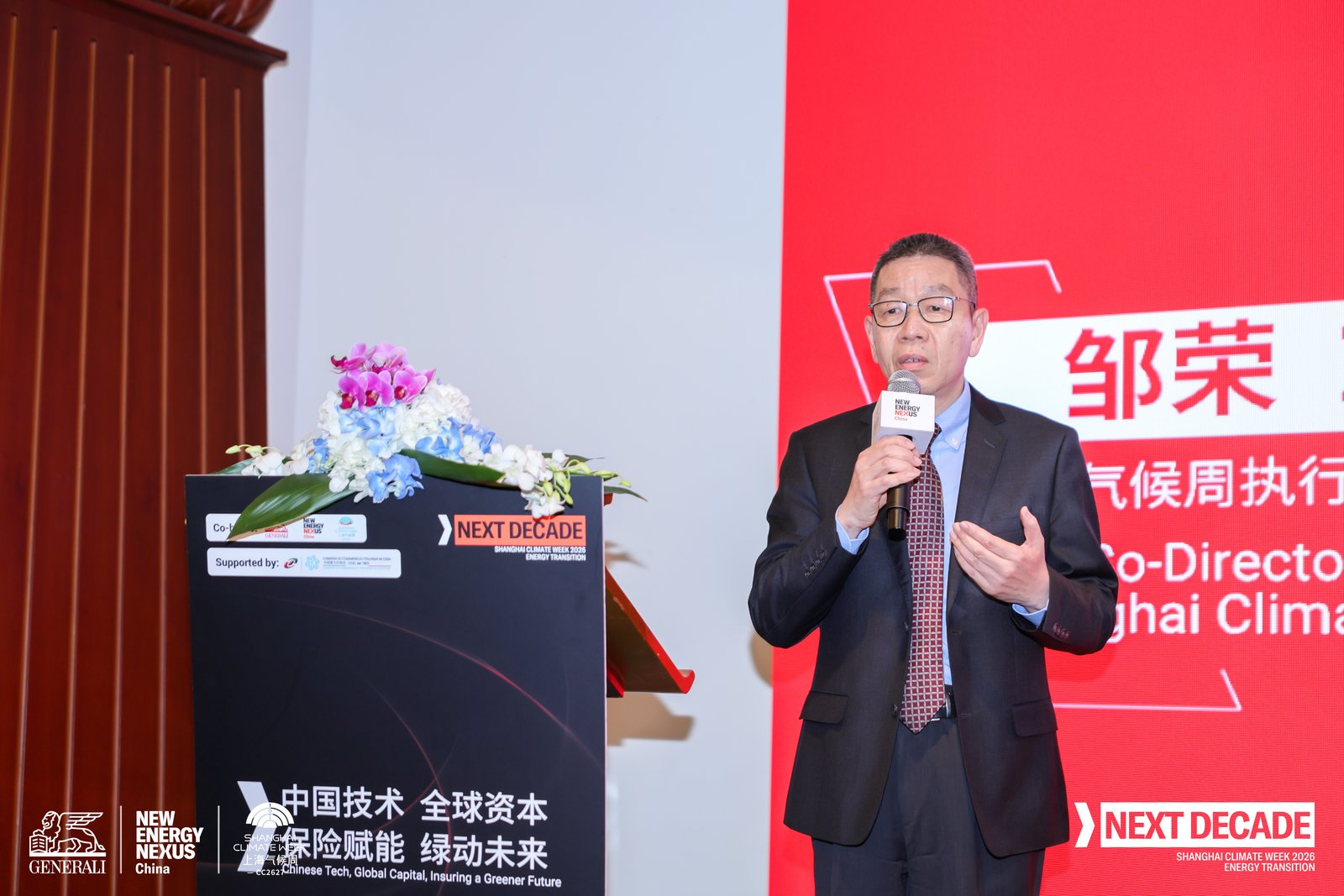
The change in attitude among participating groups has been remarkable, stated Zou Rong during a concurrent forum yesterday. Representatives from Southeast Asia, South Asia, Europe, and North America gathered in Shanghai for a variety of activities, including factory tours, financial discussions, technology exhibitions, and community engagement, all aimed at understanding China’s multifaceted approach to energy transition.
Despite China’s leadership in environmentally-friendly industries, there remains a significant gap in understanding globally. Xiao Jie, managing director of a major new energy initiative in China, mentioned that many foreign delegations, including industry experts and think tank representatives, continue to hold outdated perceptions, sometimes 10 to 15 years old, about the country’s development.
What has genuinely surprised visitors isn’t just the policy framework but the rapid pace of technological innovation, how closely aligned companies are with policy goals, and the fundamental business strategies driving the transition. Xiao emphasized that China’s innovative business and operational models are increasingly seen as valuable references for the global community.
However, she also cautioned that simply copying China’s experience isn’t straightforward.
Radtasiri Wachirapunyanont, a program director from Thailand working with an organization focused on climate solutions, shared that his team observed China’s effective collaboration between government and private enterprises, notably in the solar panel sector during a visit to the Suzhou Industrial Park. “We’re inspired by how deeply and efficiently this public-private partnership operates,” he said.
Nonetheless, Wachirapunyanont pointed out that replicating China’s success faces hurdles, such as political stability, robust infrastructure, and advanced technology. Without modern electrical grids and incentives like low-interest loans to stimulate local markets, advanced Chinese technology remains underutilized. He described the need for a “knowledge transfer” from China to help identify which parts of the supply chain could be effectively adapted to local conditions.
Xiao added that it’s more about a modular approach—disassembling components like finance, technology, and policy, then reassembling them to fit the particular needs of a different environment. For example, the Philippines has ample solar resources but struggles with policy execution. China’s experience offers a flexible template, not a one-size-fits-all solution. She noted that a pilot project in the Philippines for distributed solar energy has already yielded promising results.
Addressing Western criticisms of “overcapacity” in China’s renewable energy sector, Xiao clarified that this is mistaken; rather, international demand has yet to be fully unlocked. She emphasized that China’s supply chain is essential to achieving global energy transition targets, noting that without it, the scale and cost reductions necessary might not be feasible.
While China remains a dominant force in clean energy manufacturing, it still struggles to have its influence recognized in global governance. Zou Rong explained that China’s voice in international standards and ideas is still limited. Most of the country’s earnings come from manufacturing exports rather than shaping the rules or adding value at the policy level.
Zou further pointed out that climate issues are no longer just environmental—they influence economic policies, cultural perspectives, political strategies, and international relationships. This is why Climate Week exists: to share technical expertise and to create space for China’s green initiatives to be understood and accepted globally.
The event’s theme—”China Action, Asian Voice, Global Standards”—reflects this vision. Over the past year, organizers have expanded activities to seven Asian cities, focusing on diverse initiatives such as Bangladesh’s move toward green textiles, Malaysia’s water management, and Thailand’s sustainable supply chains. This broad outreach is meant to test how well the “Asian Voice” concept resonates across different local contexts.
Consensus has grown that Southeast Asia is genuinely interested in China’s approach to green development, and that collaboration will be essential moving forward. Zou said that future efforts should focus on fostering dialogue and overcoming obstacles.
As Chinese companies go global, the challenge is shifting from simply selling equipment to implementing integrated systems, which entails technological customization, managing risks, and fostering cross-sector cooperation. One participant summed it up: “You need to help others understand your model before it can be widely accepted.”
 ChatGPT
 Perplexity
 Gemini AI
 Grok AI