
Select Language:
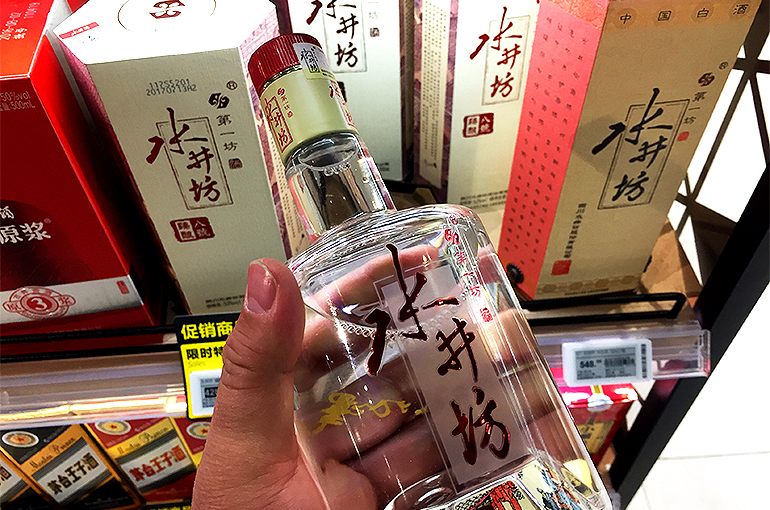
Divisions of a major UK spirits company have stated clearly that they will not be selling their Chinese liquor brand at a discounted rate. According to senior executives, the company intends to maintain fair valuation standards and is not interested in offloading brands below their worth.
During a recent earnings call that covered the company’s interim results for the first half of the fiscal year, the CEO emphasized that the firm has no plans to sell its portfolio of brands indiscriminately. When asked about potential asset disposals, he clarified that they are open to considering offers if they are irresistibly attractive but are not actively seeking to sell certain brands currently referred to as “tail brands.”
The company’s CFO echoed this sentiment, adding that no immediate sales of assets are in the works and underscoring the importance of strategic planning before making any decisions about their brand portfolio. Specifically addressing rumors around the sale of a well-known Chinese liquor brand, he stated that they have never discussed such a sale and that the speculation should not be taken as fact.
Some analysts believe that the Chinese liquor brand might not be off the table in the future, especially considering the slowing growth in the Chinese market for spirits. One industry expert indicated that the company might consider selling the brand to capitalize on current market conditions and seek higher returns elsewhere.
The Chinese liquor market has been experiencing considerable shifts, with some brands reporting sharp declines. A prominent local brand recently announced that its net profit plummeted by 71% to approximately $57 million, while revenue dropped 42% to about $440 million last year compared to the previous one.
The acquiring company initially entered the Chinese market in 2006 and increased its stake over time until, in 2019, it held a controlling interest of around 63%. Recent earnings reports show the company’s net sales fell 4% to $10.5 billion over the past six months compared to the same period last year. The decline was particularly notable in North America and China, with organic sales slipping 6.8% and 11%, respectively, in those regions.
 ChatGPT
 Perplexity
 Gemini AI
 Grok AI