Select Language:
Last week marked the certification of the first next-generation wireless chargers, and the latest standard has now been officially introduced as Qi2 25W. This new label will help consumers easily identify models that offer higher power output, ensuring they get more efficient charging capabilities.
Initially, the iPhone was the first device to support this standard, with Android phones now adopting it as well. However, those considering purchasing the upcoming iPhone 17 might want to hold off for the moment.
A Brief Overview of Qi Chargers
Early wireless chargers were based on the original Qi standard, managed by the Wireless Power Consortium (WPC). This standard was a significant milestone, allowing users to buy Qi-certified chargers compatible with nearly all phones, including iPhones. Despite this broad compatibility, these chargers only provided up to 7.5W of power, making charging relatively slow.
The Qi2 standard brought substantial improvements, notably thanks to Apple’s contribution, which involved open-sourcing their MagSafe magnetic attachment system. This update also doubled the power output to 15W, enhancing charging speed.
The latest evolution, Qi 2 25W, increases the maximum power output further to 25W, marking a considerable step up.
The Official Launch of Qi2 25W
Initially referred to as Qi 2.2 by the WPC, the standard’s name was changed to include its power rating for clarity. It is now officially known as Qi2 25W. The WPC has stated that the primary demand from users was for faster charging speeds, and as a result, there will be a wide variety of options available in the market.
“Consumers will be delighted when they experience Qi2 25W as it delivers nearly 70% more power than the original Qi2. The volume of devices entering the certification queue for this standard is unprecedented, reflecting the high quality and diverse designs from our members.”
Could Apple Offer an Even Better Solution?
It’s possible that Apple might go a step further. While Apple has generously made MagSafe technology available to third-party charger brands, the company could reserve some exclusive features for its own chargers, maintaining a competitive edge.
Featured Accessories
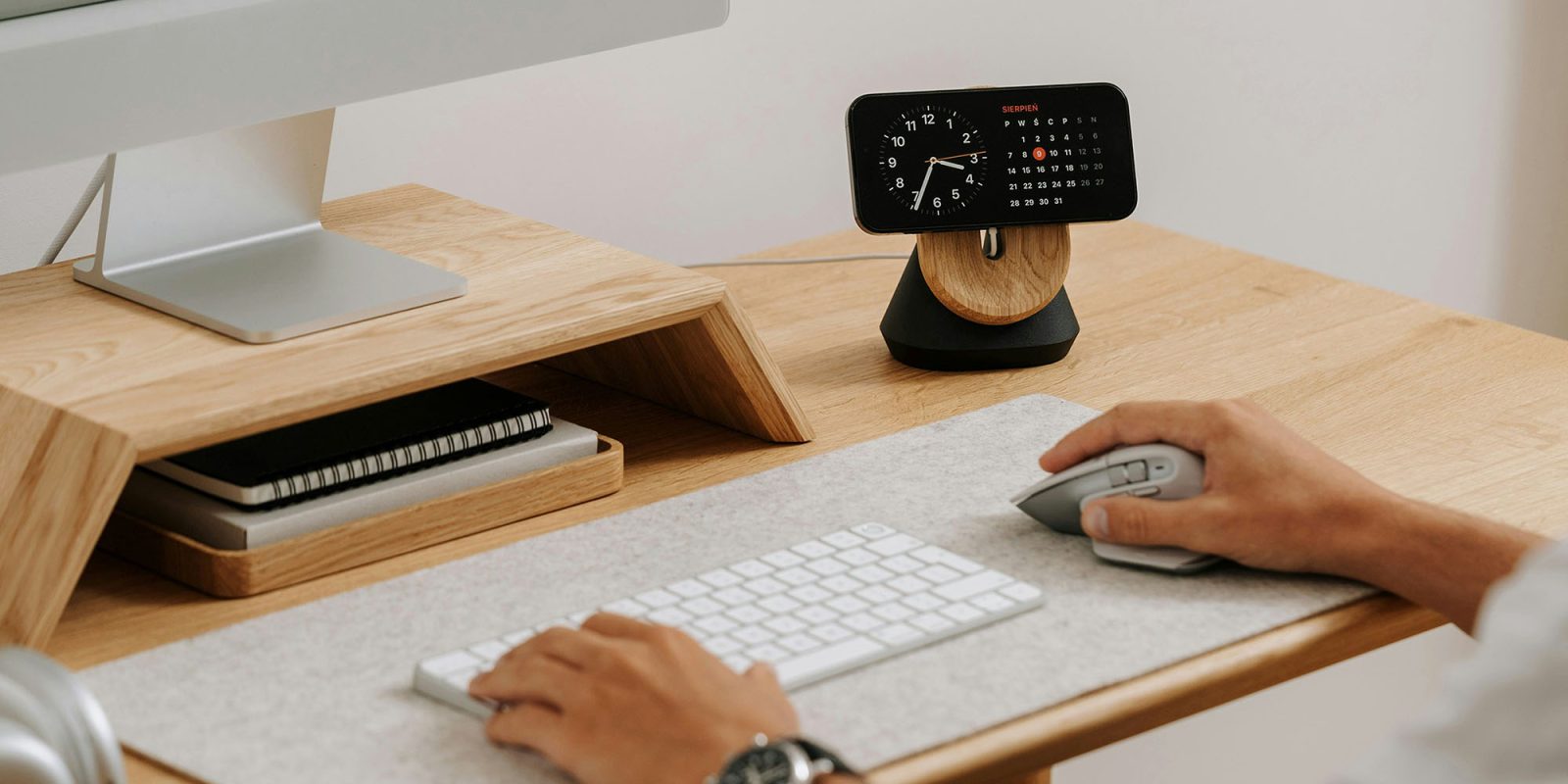
Photo by Oakywood on Unsplash
 ChatGPT
 Perplexity
 Gemini AI
 Grok AI