Select Language:
Iran and the United States are preparing for a third round of nuclear negotiations in Geneva amid renewed diplomatic signals, rising tensions, and cautious optimism from both parties as they continue discussions about Tehran’s nuclear program.
Oman’s Foreign Minister, Badr Albusaidi, announced Sunday that the third round of talks would occur Thursday, as concerns grow over the potential for broader military conflict between the long-standing adversaries. The U.S. has increased its military presence in the Middle East, with President Donald Trump warning of serious consequences if an agreement to resolve Iran’s nuclear issue isn’t reached.
Albusaidi confirmed that indirect negotiations are set for Geneva this Thursday, aiming for progress toward a final agreement. Reuters reported that Iran is offering new concessions on its nuclear activities in exchange for the removal of economic sanctions and recognition of its right to peaceful nuclear enrichment. Iranian President Masoud Pezeshkian shared cautious optimism via social media, noting recent positive signals while keeping open to any scenario.
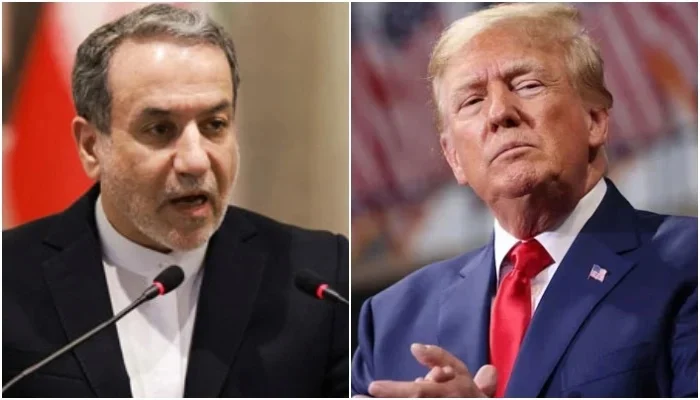
U.S. negotiator Steve Witkoff, leading the American team, expressed that President Trump is curious about why Iran hasn’t “capitulated” yet. Witkoff noted, “I don’t want to use the word frustrated… but he’s curious about why they haven’t agreed to curb their nuclear program.” Iranian Foreign Minister Abbas Araqchi responded on X (formerly Twitter), questioning, “Curious to know why we do not capitulate? Because we are Iranian,” and indicated that a diplomatic solution remains possible.
Iran has consistently denied seeking nuclear weapons. Last year’s indirect talks failed mainly over a U.S. demand that Iran cease uranium enrichment on its soil—Washington perceives this as a pathway to nuclear arms. While Israel and the U.S. conducted strikes on Iranian nuclear sites in June, significantly curbing Iran’s uranium enrichment, Iran still retains stockpiles of enriched material, which the U.S. wants to see relinquished.
Witkoff warningly noted that Iran’s uranium enrichment has surpassed civilian levels, reaching up to 60% fissile purity, bringing Iran close (about a week away) from material suitable for bomb-making—an extremely dangerous situation. Iran is contemplating new concessions, including exporting half of its highly enriched uranium and diluting the rest.
Meanwhile, Washington aims to broaden the scope of negotiations to include Iran’s missile program and support for regional armed groups, though Iran publicly resists this expansion. There are ongoing disagreements over the scope and procedure for lifting sanctions; an Iranian official indicated differing views between Iran and the U.S.
Witkoff also mentioned meeting with Reza Pahlavi, an opposition figure and son of the shah deposed during Iran’s 1979 revolution, on Trump’s orders. Pahlavi has been vocal about the potential benefits of U.S. intervention and urged swift negotiations, especially amid recent unrest in Iran involving significant violence.
 ChatGPT
 Perplexity
 Gemini AI
 Grok AI