
Select Language:
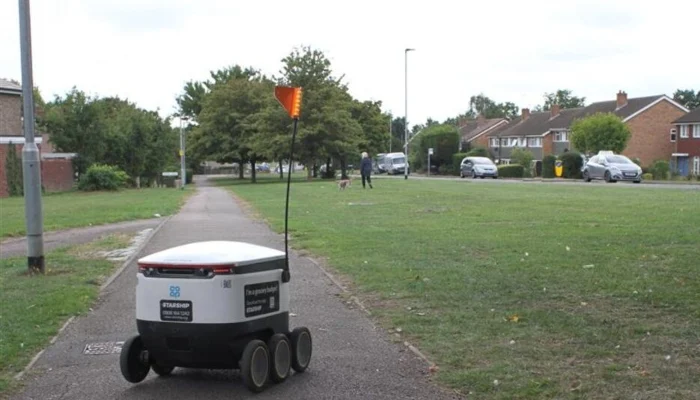
Autonomous food delivery robots and drones have the potential to significantly reduce costs, bringing per-order expenses down to as little as $1. Barclays estimates that this shift could generate billions in profits worldwide for the food delivery industry. Major platforms like DoorDash are increasingly collaborating with autonomous delivery providers, mainly through sidewalk delivery robots (SDRs) and drones, reflecting a clear change in strategic direction.
In markets with high labor costs, early adopters currently see autonomous delivery costs between $5 and $7 per delivery, which is $3 to $4 less than traditional rider services. Looking ahead, these costs could drop to just $1 per delivery, translating to potential savings of $8 to $9 compared to current rider deliveries in regions where labor costs are higher.
Barclays projects that saving around $4 per delivery at future penetration levels could unlock approximately $16 billion annually in global profit for food delivery companies. Today, autonomous delivery accounts for less than 1% of worldwide orders, but this figure is expected to rise to about 2% by the end of the decade and reach roughly 10% by 2035.
In the near future, DoorDash and China’s leading food service platform, Meituan, are expected to be key beneficiaries due to their early deployments, investments at the platform level, and exposure to high labor costs that automation can mitigate. Uber is also poised to benefit, with Dutch tech investor Prosus anticipated to be a long-term player.
Delivery Hero’s Middle East branch, Talabat, and regional player Grab in Southeast Asia are seen as moderate- to long-term beneficiaries, with pilot programs currently small and development efforts still in early stages.
 ChatGPT
 Perplexity
 Gemini AI
 Grok AI