Select Language:
Saudi Arabia has approved its 2026 national budget, predicting a reduced fiscal deficit as the government shifts spending towards sectors like industry and logistics to boost non-oil revenue. The projected deficit stands at 165 billion riyals ($44 billion), approximately 3.3% of GDP—down from an estimated 245 billion riyals this year, which was affected by lower oil prices and output, along with a 4% overspend.
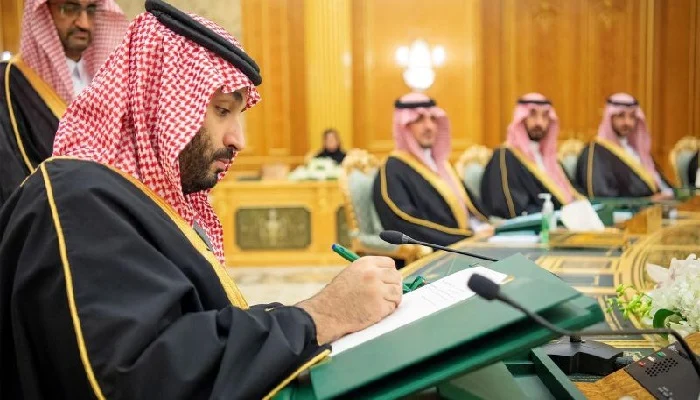
Saudi Arabia, the world’s leading oil exporter, is over halfway through implementing its Vision 2030 plan for economic reform. Launched by Crown Prince Mohammed bin Salman in 2016, the plan involves investing hundreds of billions of dollars to diversify the economy and reduce reliance on hydrocarbon income.
The 2026 budget marks the beginning of what’s termed the “third phase” of Vision 2030, shifting focus from just launching reforms to maximizing their impact. The Crown Prince has described this phase as one aimed at accelerating progress and creating more growth opportunities, ensuring a sustainable effect beyond 2030, according to state news agency SPA.
While there is a general shift in spending priorities, specific details remain sparse. The budget aims for more than 20 million foreign visitors for the Umrah pilgrimage to Mecca in 2026, a notable increase from the 15 million pilgrims expected this year.
Total expenditures are expected to be around 1.31 trillion riyals in 2026, slightly less than this year’s estimated 1.34 trillion riyals, while revenues should rise modestly to about 1.15 trillion riyals from roughly 1.1 trillion riyals in 2025. Finance Minister Mohammed Al Jadaan stated that the government intends to operate a deficit intentionally until 2028, implying the budget will be designed with a policy of sustained deficits.
The 2025 deficit is expected to more than double the initial target of 101 billion riyals, reaching 5.3% of GDP, with revenues falling short of estimates by about 7.8%, and spending exceeding the budget by 4%. Public debt is projected to hit approximately 1.5 trillion riyals, or 31.7% of GDP, up from 1.2 trillion riyals in 2024, to help finance the deficit.
Authorities are also recalibrating project priorities, including a review of the Public Investment Fund’s spending. Some overly ambitious projects have been scaled back, and no specific gigaprojects like NEOM or Sindalah island resort are mentioned in the 2026 budget, signaling a focus on delivering value and impact from existing initiatives.
Overall, Saudi Arabia remains committed to adjusting its fiscal strategy to ensure projects deliver tangible benefits while maintaining an intentional deficit approach for the coming years.
 ChatGPT
 Perplexity
 Gemini AI
 Grok AI