Select Language:
Greg Abbott is planning his summer vacation, keeping an eye on the situation in Iran. He prefers to stay closer to home in Europe and is preparing a backup plan, cautious about rising airfare costs and frequent cancellations. The 54-year-old Australian who lives in Britain is considering a cycling trip with friends in Austria, attending a festival in Barcelona, and possibly doing a yoga retreat in France. However, he’s hesitant to travel too far and is keeping his options flexible.
“We’ll probably stick with short trips within Europe, and we’ll mostly travel by train since they run on electricity,” Abbott said. He also mentioned that travel expenses are a significant concern right now, noting that prices are just outrageous at the moment.
Across Europe and beyond, travelers are adjusting their plans amid high fuel prices, limited jet fuel supply, increased costs, and regional conflicts disrupting popular routes. Many travelers are booking closer to their travel dates and opting for more flexible arrangements.
Susanne Dickhardt, co-founder of camper van and motorhome rental company Roadsurfer, observed that travelers are becoming more cautious and intentional with their bookings. Most are choosing to stay nearer to home, travel by car, and select cost-efficient formats to manage expenses.
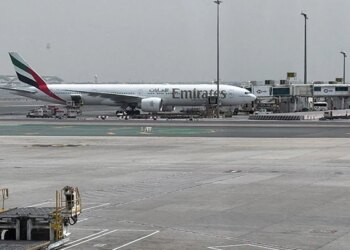
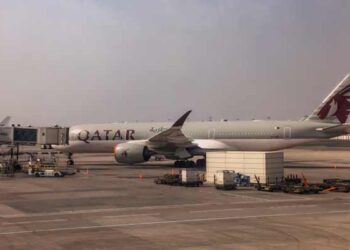
Tourism and airline industries are among those most affected by the regional unrest. Ongoing peace talks suggest a prolonged stalemate, impacting Gulf airlines and major hubs like Dubai, while jet fuel prices nearly double. Jean-Francois Rial, CEO of tour operator Voyageurs du Monde, noted a significant drop in business during March, which improved slightly in April, but overall, people are still anxious about traveling.
Airlines warn that profits are under pressure. Air France-KLM expects a $2.4 billion increase in jet fuel costs this year, and Lufthansa and IAG are facing rises of about $2 billion. The collapse of US low-cost carrier Spirit earlier this month raises fears that more airlines could face struggles. European budget carriers like Wizz Air and airBaltic, which operate on thin margins and have limited fuel hedging, may be less vulnerable but still face challenges.
Travelers are delaying decisions and booking trips at the last minute. Jerome Vayr, president of France’s Vacances Bleues, said travel plans are often made just days before departure, and trips are shorter. He reported a 15% increase in last-minute bookings, as people wait to see how inflation and geopolitical issues develop.
Despite these uncertainties, overall travel demand remains resilient. Preferences are shifting toward domestic destinations, with Spain, Greece, and Portugal viewed as safer options for self-driving holidays. Ricardo Fernandez Flores of Spain’s Destinia noted a change in travel patterns rather than a decline in demand, with travelers favoring well-connected, stable Mediterranean regions. Gabriel Escarrer, CEO of Spain’s largest hotel chain Melia, anticipates strong bookings in regions considered safe havens, such as Spain and the Caribbean, which are distant enough from conflict zones but still accessible to key markets.
Rail travel is also increasing in popularity. Alvaro Ungurean of Trainpal reported a 25% rise in Eurostar ticket sales, and nearly twice as many Britons plan to travel by train in France this year. Business trips are also shifting to rail, according to Charlie Sultan of SAP’s Concur Travel.
Some travelers, like Alice Woodhouse from Hong Kong, plan to stay within Asia to avoid high airfare costs, considering using airline miles for destinations like Southeast Asia or Taiwan. Others, like Diego Dutra from Portugal, are postponing travel plans altogether, opting for road trips instead of visiting family in Italy, waiting for the situation to stabilize.
 ChatGPT
 Perplexity
 Gemini AI
 Grok AI