Select Language:
The Evolution of the UAE’s Global Economic Standing: A 25-Year Overview
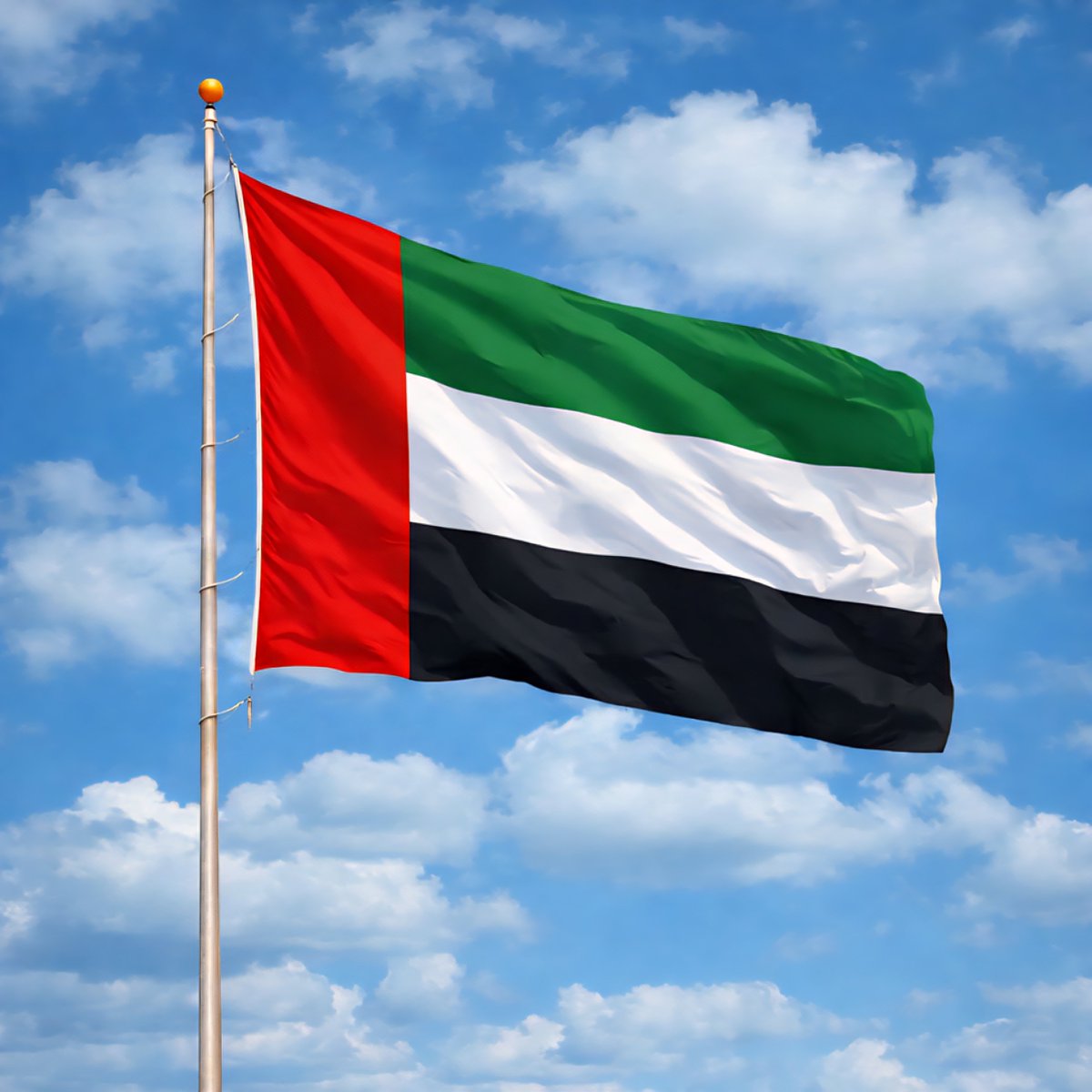
The United Arab Emirates (UAE) has been a prominent player in the global economy for the past quarter-century. Its position on the world economic stage, as reflected by its GDP ranking among all nations, offers a fascinating glimpse into the nation’s economic resilience, growth, and challenges. Tracking the UAE’s GDP rank from 2001 through 2026 tells a story of fluctuating fortunes, strategic growth, and ongoing ambitions for global economic prominence.
A Decade of Early Stability and Fluctuations (2001-2010)
During the early 2000s, the UAE’s GDP position showed considerable fluctuation. In 2001, the country was ranked 36th globally, a solid spot as one of the middle-tier economies. The following year, the ranking dipped to 40th, reflecting some economic contraction or slow growth amidst a global landscape marked by emerging markets.
Between 2003 and 2007, the UAE’s GDP rank demonstrated notable improvement, climbing as high as 25th in 2008 — a period marked by rapid economic development fueled by oil revenues and investments in infrastructure. However, 2009 and 2010 saw a dip back to 35th and 30th respectively, attributable to the global financial crisis impacting oil prices and trade.
The Post-Recession Recovery and Growth (2011-2019)
The UAE’s economy demonstrated resilience through the 2010s, with minor fluctuations in GDP ranking. It hovered around the 29th to 32nd positions during this period, reflecting a stable yet competitive economic environment. Notably, the country aimed to diversify its economy beyond oil through investments in tourism, finance, and technology sectors.
In 2014 and 2015, the ranking held steady at 30th, reaffirming the UAE’s role as a regional economic powerhouse. Despite global uncertainties—including fluctuating oil prices and geopolitical tensions—the nation maintained a relatively stable position, reflecting successful diversification strategies.
The Impact of Global and Regional Events (2020-2024)
The COVID-19 pandemic profoundly affected global economies, and the UAE was no exception. In 2020 and 2021, the country’s GDP rank fell to 35th, marking one of the lowest points in recent history. The economic slowdown impacted key sectors like tourism, hospitality, and retail.
However, by 2022, the UAE made a notable comeback, climbing back to 28th, driven by accelerating digital transformation, increased foreign investment, and an aggressive approach to economic recovery. This upward trend persisted into 2023 and 2024, with the country maintaining a steady 30th position.
The Current Outlook and Future Projections (2025-2026)
As of 2025, the UAE’s GDP rank remains at 29th—a stable position considering the challenges faced over the years. The projected ranking for 2026 is 30th, indicating a continuation of steady growth and resilience.
The nation’s ongoing efforts to innovate, diversify, and attract global investments suggest that the UAE aims to solidify its place among the world’s top economies. Strategic initiatives in renewable energy, space exploration, and technological innovation are expected to underpin this trajectory.
Conclusion: A Resilient Economy with a Bright Future
The UAE’s journey from 2001 through 2026 paints a picture of resilience amid global economic turbulence. While its ranking has experienced ups and downs, the consistent effort toward diversification and innovation positions it well for sustained growth. As the nation continues to evolve, its economy remains a vital component of the Middle East’s influence on the global stage.
In the coming years, monitoring the UAE’s GDP ranks will provide valuable insights into its economic health and strategic direction—underlining its unwavering commitment to progress and prosperity.
Note: All data is current as of 2025 and projections for 2026 based on ongoing economic trends.
 ChatGPT
 Perplexity
 Gemini AI
 Grok AI