Select Language:
Global Trends on Shoes In and Shoes Out Policies at Home in 2025
1. The Cultural Shift Toward Shoes-Off Homes
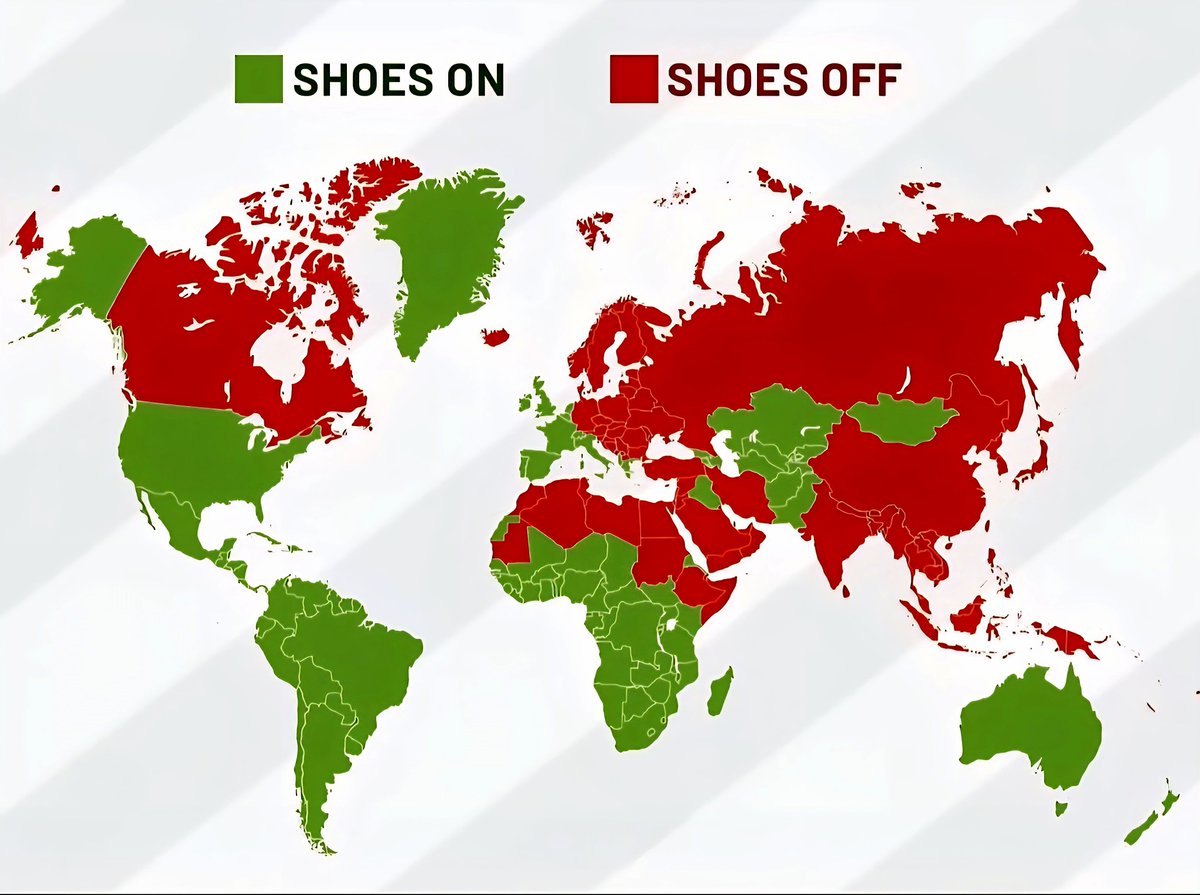
In 2025, a clear trend is emerging worldwide as many households are adopting a bare-foot or indoor-shoes policy. This shift is particularly notable in urban areas across North America and Europe, where cleanliness and hygiene remain high priorities. Experts note that more families are encouraging guests to remove shoes upon entry to reduce dirt, germs, and outdoor pollutants inside the home. This change is driven by increasing health consciousness and a desire to maintain more hygienic living spaces.
2. Regional Variations in Shoe Policies
While the trend toward shoes-off policies is strong in many countries, some regions still prefer to keep shoes on indoors, usually due to cultural norms or practical considerations. For example, in parts of Asia, especially Japan and South Korea, removing shoes is customary and ingrained in daily life. Conversely, in the United States and Canada, there’s a growing but still varied approach, with many households balancing between shoes-on and shoes-off depending on personal preference or the type of household.
3. The Rise of Indoor Shoes and Slippers
To bridge the gap between shoes-on and shoes-off traditions, many families are now opting for indoor shoes or slippers. This trend is particularly popular among households with children or elderly members, who benefit from the added comfort and safety. Brands specializing in home footwear are seeing a surge in sales for slip-resistant slippers designed specifically to be worn indoors, ensuring safety while keeping the home clean.
4. Impact of Shoes Policies on Home Hygiene
Research conducted in 2025 indicates that homes with dedicated shoe removal policies experience fewer germs and contaminants. A study by the Institute of Hygiene and Public Health found that households practicing shoes-off policies reduced certain bacteria levels by up to 70% in living spaces. This underscores a growing awareness of how footwear habits influence overall home health and hygiene standards, influencing many families to adopt stricter policies.
5. Technological Innovations Supporting Shoes-Off Cultures
Advancements in home technology are facilitating the shoes-off trend. Innovations such as smart shoe racks with built-in sanitizer dispensers, automatic door sensors that prompt shoe removal, and stylish indoor footwear options are gaining popularity. These innovations make the process of maintaining a shoes-off home more seamless, especially in busy households or in homes with smart home integrations.
6. The Impact on Shoe and Carpet Industries
As more households adopt shoes-off policies, there has been a notable impact on the shoe and home furnishings industries. Shoe manufacturers are now designing more comfortable, easy-to-remove shoes aimed at indoor use, while carpet and flooring companies are seeing increased demand for stain-resistant, easy-to-clean surfaces. These shifts reflect a broader cultural change towards cleaner, more hygienic home environments.
7. How COVID-19 Accelerated the Shoes-Off Movement
The global pandemic significantly accelerated the trend toward shoes-off policies. In 2025, many households continue to enforce strict entry policies to minimize the risk of virus transmission. Health authorities worldwide emphasized shoe removal as a simple yet effective way to reduce potential contamination, prompting even more families to implement shoes-off practices permanently.
8. What the Future Holds for Domestic Shoe Protocols
Looking ahead, experts predict that shoes-off policies will become the norm in many households worldwide, especially as urban living and hygienic awareness continue to grow. Furthermore, integration of smart home technology and innovative footwear solutions will likely make shoes-off policies more convenient and appealing. The ongoing cultural shift emphasizes cleanliness, health, and comfort, shaping the future of home interiors.
 ChatGPT
 Perplexity
 Gemini AI
 Grok AI