Select Language:
What a World Map Without Countries Looks Like in 2025
1. A Visual Overview of Global Population Distribution
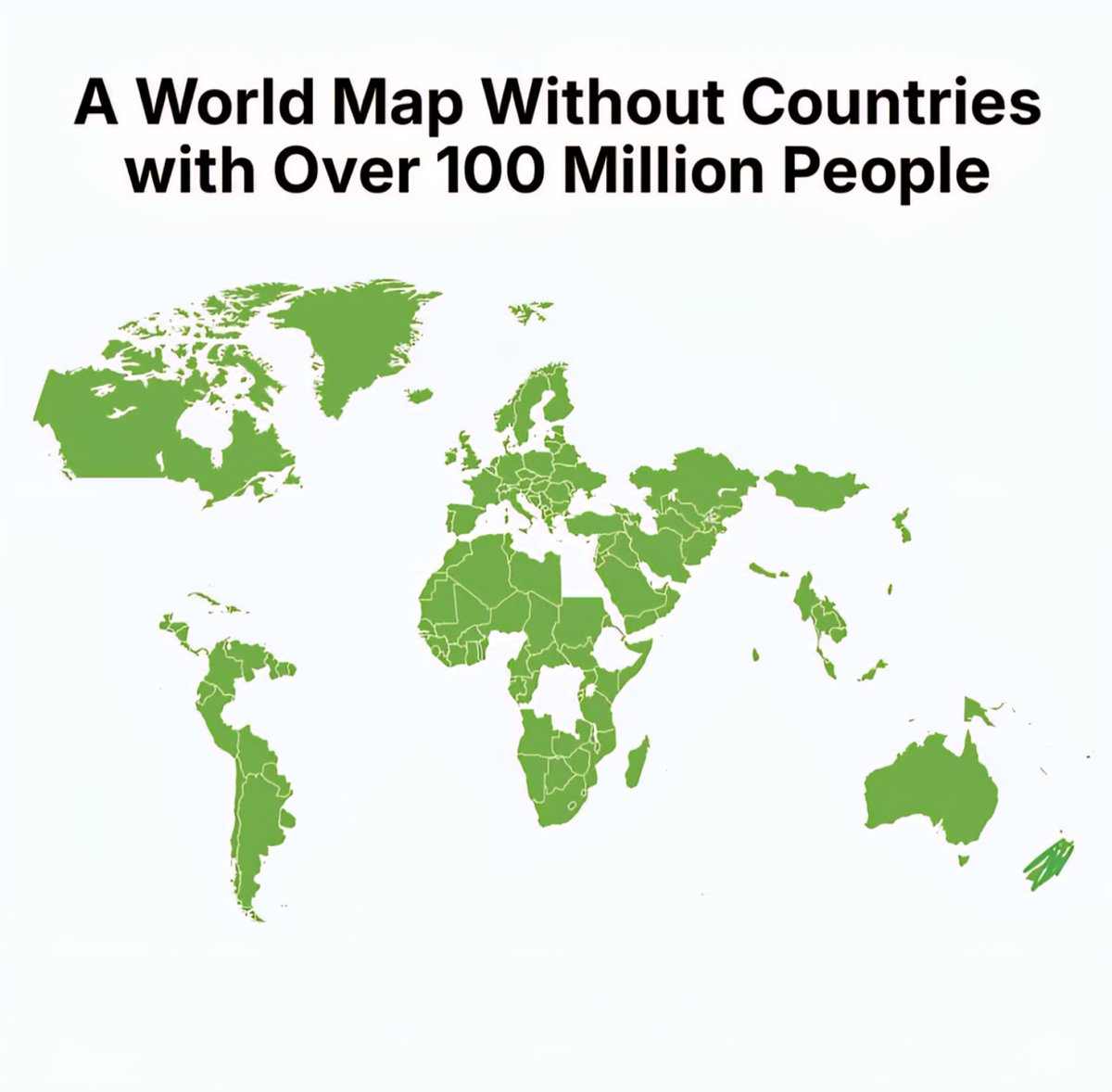
The image below presents a striking view of Earth’s most densely populated regions, omitting country boundaries to emphasize population concentrations over political borders. This map illustrates where humanity’s lives are most densely packed, offering a fresh perspective on global demographics.
2. The Rise of Mega Urban Areas and Their Impact
By 2025, urbanization continues at an accelerated pace, with cities housing over 100 million residents—such as Tokyo, Shanghai, and the Delhi NCR. These sprawling metropolis areas dominate the map, demonstrating how urban sprawl is reshaping human settlement patterns. The concentration of populations in these urban centers affects infrastructure, environmental sustainability, and regional economies.
3. Asia’s Dominance in Population Clusters
The map vividly highlights Asia’s overwhelming share of the world’s most populous zones. Countries like India and China boast numerous mega-cities, creating continuous corridors of dense settlements stretching across the continent. The visuals underscore Asia’s crucial role in global demographic trends and economic power.
4. Africa’s Emerging Megacities
While still developing, Africa is witnessing a surge in dense urban populations. Cities like Lagos, Cairo, and Kinshasa are rapidly expanding, leading to densely packed areas on the map that surpass 100 million residents when combined with surrounding metropolitan zones. This growth presents both opportunities and challenges, including urban planning and resource management.
5. North America and Europe: Stable but Concentrated
North America and Europe feature fewer mega urban areas, but they remain significant population hubs, especially in the eastern United States and Western Europe. Cities like New York, Los Angeles, London, and Paris form dense zones that are visibly prominent on the map, reflecting their longstanding roles in global economics and culture.
6. The Future of Global Population Densities
Looking ahead, the map’s patterns are expected to shift further. Population growth in Asia and Africa suggests the emergence of new mega urban zones. Meanwhile, initiatives in sustainable development and urban planning aim to make these densely populated regions healthier and more resilient in the face of climate change.
7. Visualizing the World Beyond Borders
This map challenges traditional political boundaries, urging viewers to think of the world primarily as a landscape of human settlement. Recognizing where populations are concentrated helps policymakers, urban planners, and global organizations prioritize resource distribution, infrastructure development, and social services where they are needed most.
8. Implications for Global Infrastructure and Resources
The high-density areas mapped here face increased demands for clean water, energy, transportation, and healthcare services. With millions living in close proximity, these regions could either become models of sustainable urban growth or faces of crisis, depending on how development strategies are implemented.
9. Highlights for Global Collaboration
Understanding densely populated zones without borders underscores the importance of international cooperation. Addressing challenges like pollution, resource allocation, and disaster response requires a concerted global effort—something more pressing than ever in 2025.
10. Why This Map Matters
The visual absence of countries emphasizes humanity’s shared destiny. It invites reflection on how densely populated regions are vital to the planet’s future. Recognizing these hubs of human activity can inspire collaborative solutions that promote sustainable living for millions around the world.
In 2025, this map serves as a powerful reminder of where humanity is concentrated — a tool that prompts global leaders and citizens alike to focus on sustainable growth and equitable resource sharing in our rapidly changing world.
 ChatGPT
 Perplexity
 Gemini AI
 Grok AI