Select Language:
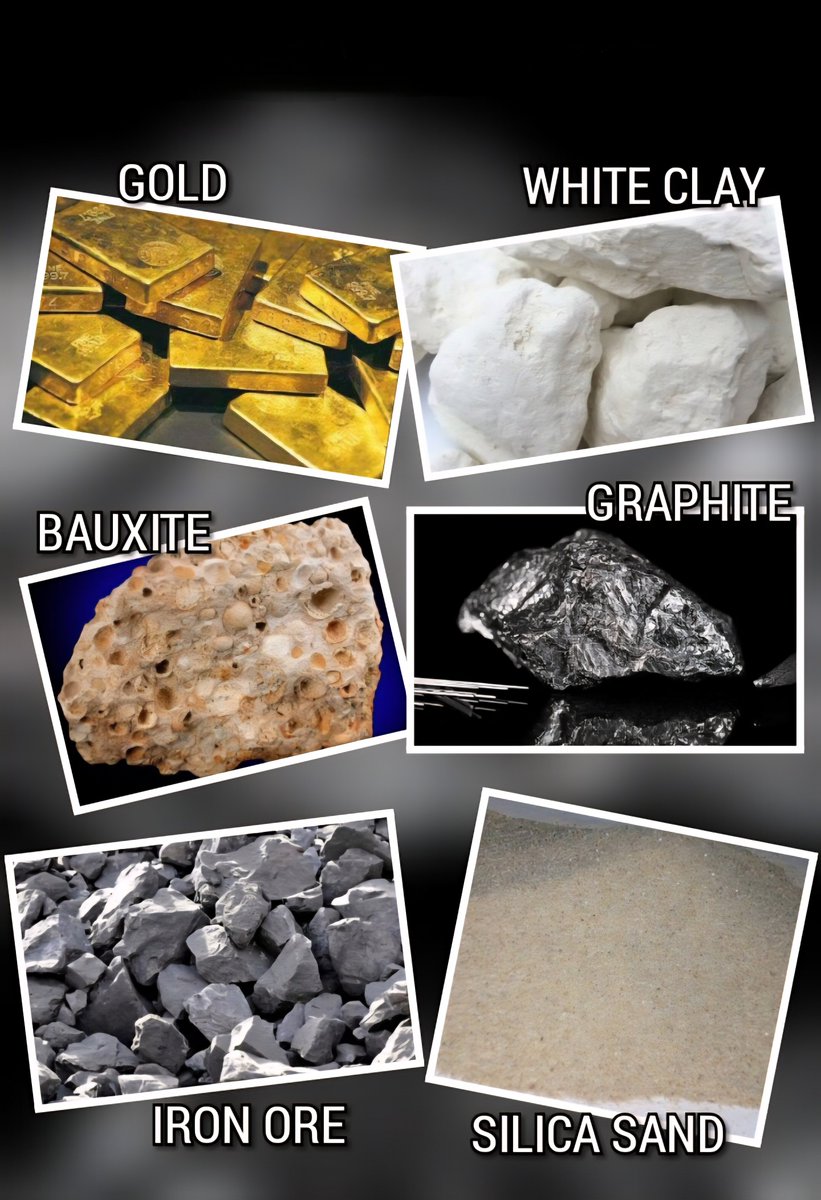
Top Countries Richest in Natural Resources in 2025
Russia Rocks the Top Spot with a Stellar Resource Portfolio
Russia maintains its position as the world’s wealthiest country based on natural resource valuation, boasting an estimated total of around $75 trillion. Its vast landmass is rich in oil, gas, minerals, and timber, making it a dominant force on the global resource stage. The country’s extensive reserves in hydrocarbons and minerals continue to underpin its economic strength, positioning Russia as a key player in resource export markets.
United States: The Land of Abundance and Diversity
Coming in second, the United States holds an approximate resource value of $45 trillion. Its diverse natural resources include significant quantities of oil, natural gas, coal, and minerals such as copper and gold. US reserves, coupled with advanced extraction technology, enable the country to remain resilient in global markets, highlighting the importance of technological innovation in maximizing resource potential.
Kingdom of Saudi Arabia and Canada: Leading Saudi Oil and Canadian Minerals
Saudi Arabia features in third place with an estimated resource value of $34.4 trillion, primarily driven by its massive oil reserves. The Kingdom’s strategic oil policies secure its position as a major energy supplier worldwide.
Canada follows closely, with a resource valuation around $33.2 trillion. Rich in minerals, including nickel, uranium, and gold, along with expansive forests, Canada’s abundant reserves bolster its economic stability and international trade power.
Iran and the Democratic Republic of the Congo: Unsung Resource Powerhouses
Iran holds a resource estimate of about $27.3 trillion, largely from its substantial oil and gas fields. Despite international sanctions, Iran’s reserves remain a core economic asset.
Meanwhile, the Democratic Republic of the Congo surpasses many larger nations with an estimated $24 trillion in minerals, including cobalt and coltan, vital for electronics manufacturing and energy technology. Its mineral wealth presents significant development prospects despite geopolitical challenges.
China and Brazil: Giants with Diverse Resources
China’s resource valuation at approximately $23 trillion underscores its vast reserves of coal, rare earth elements, and industrial minerals, fueling its manufacturing-centered economy.
Brazil boasts around $21.8 trillion in resources, with extensive reserves of iron ore, gold, and timber. These natural assets are fundamental to Brazil’s industrial growth and global commodity exports.
Australia and Iraq: Resource Rich Continents and Middle Eastern Powerhouses
Australia’s resource wealth is estimated at nearly $19.9 trillion, mainly derived from iron ore, coal, and LNG exports. Its collaborative mining sector sustains economic growth.
Iraq’s reserves, valued at approximately $15.9 trillion, are predominantly oil-based, underpinning its economic recovery and regional influence despite political volatility.
Venezuela and Central Asian Nations: Potential for Increased Wealth
Venezuela possesses an estimated resource value of $14.3 trillion, with immense oil reserves. Ongoing political and economic challenges hinder full exploitation of its wealth.
Kazakhstan’s resources are valued at $12 trillion, with vast mineral deposits and energy reserves, positioning it as a key energy player in Central Asia.
Nordic and Gulf States: Stability through Natural Wealth
Norway, with an approximate resource valuation of $11 trillion, benefits significantly from oil, gas, and fisheries, with strong policies ensuring sustainable management.
The United Arab Emirates hold around $9 trillion, leveraging oil wealth to diversify into tourism, finance, and real estate sectors for future growth.
Emerging Markets: Africa, Asia, and Latin America
Nigeria, Africa’s largest economy, has resource estimates around $8 trillion, primarily from oil and gas reserves.
Chile and Mexico, with $7.5 trillion and $7 trillion respectively, are prominent in copper and other mineral exports, vital for global manufacturing.
South Africa and Argentina, with $6.8 trillion and $6.5 trillion, respectively, have diverse mineral and agricultural resources that shape their economies.
Other Noteworthy Resource-Holding Countries
Indonesia ($6 trillion in resources), Peru ($5.5 trillion), Libya ($5 trillion), and Angola ($4.8 trillion) are key resource players with abundant mineral and energy reserves.
Qatar, Algeria, and India also feature prominently, with Qatar holding approximately $4.5 trillion, boosting its economic stability through natural gas exports, and India’s $3.9 trillion in resources supporting rapid industrial development.
Resource valuation estimates are compiled from authoritative sources such as the World Bank, IMF, U.S. EIA, BP Statistical Review, OPEC, CIA World Factbook, Visual Capitalist, and Statista. These figures are subject to change based on new discoveries, technological advancements, and geopolitical factors.
Note: The figures presented reflect broad estimates of total natural resource value, including oil, gas, coal, minerals, gold, timber, and diamonds, among others, which underpin national economies globally.
As nations continue to leverage their natural resources, the global economic landscape remains dynamic, with resource wealth serving as a crucial foundation for future growth and geopolitical influence.
 ChatGPT
 Perplexity
 Gemini AI
 Grok AI