Select Language:
Indonesia’s Passport Power: A Journey From 2006 to 2026
1. Indonesia’s Passport Ranking History (2006–2026)
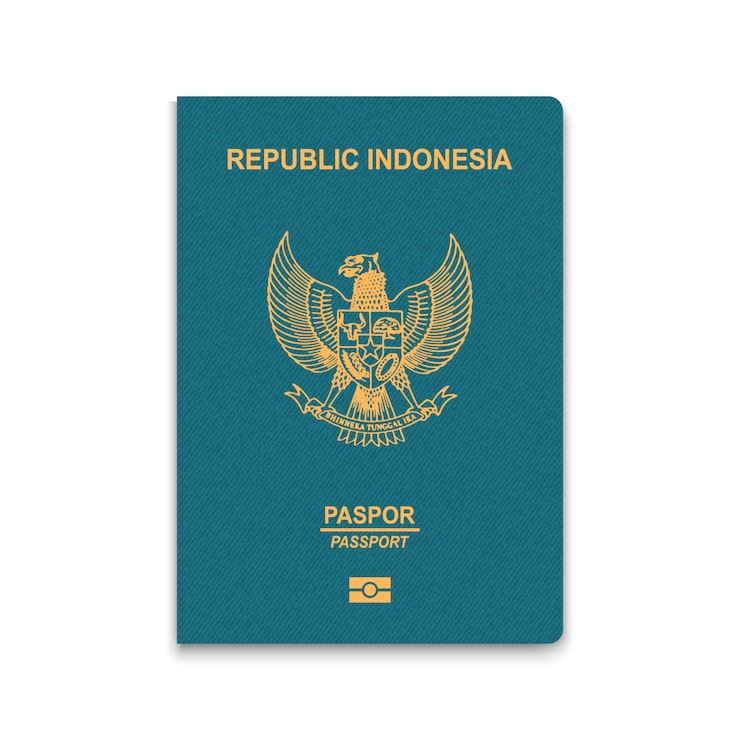
Over the past two decades, Indonesia’s passport strength has experienced noticeable shifts. Back in 2006, the Indonesian passport ranked 67th globally, and year after year, its standing has fluctuated — reflecting changing diplomatic relations, security policies, and global mobility trends. As of 2025, Indonesia’s passport has climbed to a rank of 66th, with projections for 2026 showing further improvement to a 63rd place position, indicating a positive trend in visa-free access and international mobility for Indonesian passport holders.
2. Peak and Decline Patterns Over the Years
The journey of Indonesia’s passport power wasn’t always linear. In 2010, the passport’s rank dropped to 84th, marking one of the lowest points in its rankings during that period. However, the subsequent years saw gradual improvements, reaching 72nd by 2018. These fluctuations are indicative of changing diplomatic strategies, visa agreements, and international relations, highlighting how geopolitical factors directly influence the mobility of Indonesian travelers.
3. Notable Milestones in Indonesia’s Passport Strength
- 2014 saw a dip to 84th, correlating with global shifts in visa policies.
- 2020 marked a solid renewal at 71st, reflecting an ongoing effort to strengthen international ties.
- 2024 and 2025 maintained steady positions at 66th, signaling stability in Indonesia’s visa-free arrangements.
- The projected for 2026 suggests a significant jump to 63rd, hinting at successful diplomatic efforts and increased visa-free access.
4. Factors Contributing to the Improving Rankings
Indonesia’s rise in passport power can be attributed to various strategic initiatives:
- Bilateral Diplomacy: Strengthening diplomatic relations has been pivotal. Efforts in expanding visa-free and visa-on-arrival agreements with key countries have played a crucial role.
- Global Mobility Initiatives: Indonesia has actively participated in international mobility agreements and regional alliances, such as ASEAN and East Asia summits.
- Security and Travel Regulations: Upgrades to travel security protocols have made Indonesian passports more acceptable globally.
- Economic Growth and Tourism: As Indonesia continues to develop, increased tourism and business travel have driven countries to relax visa restrictions.
5. The Impact of Regional and Global Events
Broader geopolitical developments, including regional stability and international relations, influence visa policies. For instance, Indonesia’s proactive foreign policies and participation in global peace initiatives have helped improve its passport ranking. Conversely, geopolitical tensions or diplomatic incidents occasionally cause temporary setbacks, as seen in the fluctuations during certain years.
6. The Strategic Path Forward
Looking ahead to 2026, Indonesia is poised to continue improving its passport power. The upcoming years could see Indonesia breaking into the top 60 or higher, further easing travel restrictions for its citizens. This is vital for economic growth through tourism, expanding international business opportunities, and promoting cultural exchange.
7. Why a Strong Passport Matters
A higher passport rank isn’t just about freedom of travel; it reflects a nation’s global standing. For Indonesian citizens, a more powerful passport means easier travel, less bureaucracy, and enhanced international opportunities. It also signals Indonesia’s growing diplomatic influence and regional integration efforts.
In Summary
Indonesia’s passport power has seen significant growth since 2006, with notable fluctuations driven by global geopolitics, diplomatic strategies, and regional collaborations. As of 2025, the country’s passport is stronger than ever, with further improvements anticipated in 2026. This positive trend underscores Indonesia’s increasing influence on the world stage and its commitment to facilitating greater mobility for its citizens.
Note: The ranking projections are subject to international policy changes and geopolitical developments.
Images sourced from Twitter’s media platform, showcasing travelers and passport stamps.
 ChatGPT
 Perplexity
 Gemini AI
 Grok AI