Select Language:
Forbidden Places Around the World: Locations You Can’t Access in 2025 🚫
- Lascaux Caves, France
The Lascaux Caves, famous for their prehistoric rock art dating back over 17,000 years, are off-limits to the public to preserve the delicate cave environment. Despite their allure, only researchers and authorized personnel are allowed inside, as even breath and human presence threaten the ancient paintings. Continuous efforts to conserve this UNESCO World Heritage Site keep it sealed to visitors.
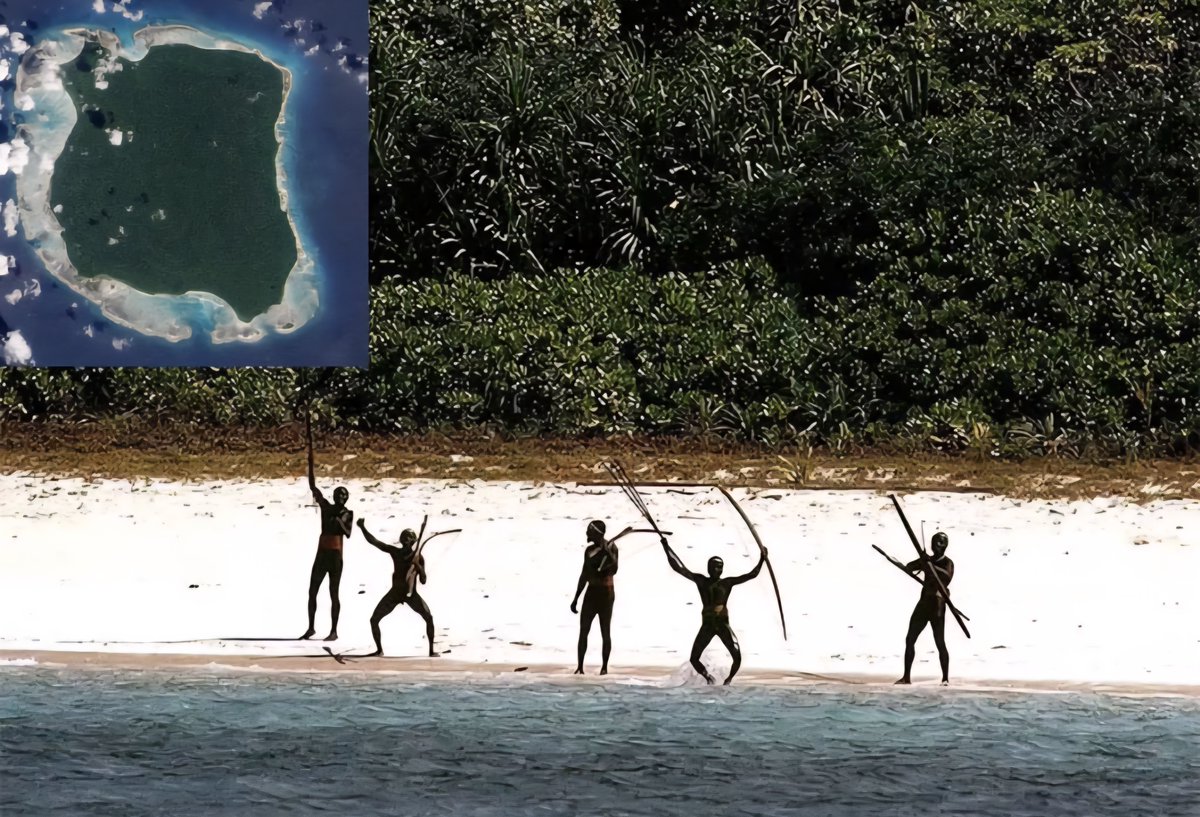
- North Sentinel Island, India
Home to the Sentinelese tribe, North Sentinel Island remains one of the most inaccessible and forbidden places. The tribal community fiercely resists outside contact to preserve their centuries-old way of life. The Indian government strictly prohibits any visits, citing safety concerns and the tribe’s right to remain undisturbed, making it one of the most isolated spots on Earth.
- Surtsey Island, Iceland
Formed in a volcanic eruption in 1963, Surtsey Island is a protected nature reserve designated for scientific study of island ecology. Access is tightly controlled, permitting scientists and researchers only for research purposes. Public visits are banned to safeguard its fragile ecosystem and prevent ecological disturbance.
- Ise Grand Shrine, Japan
The Ise Grand Shrine, a sacred Shinto site, is not accessible to tourists most of the year. Only priests and specially invited guests can enter the inner sanctum. The shrine’s stunning architecture and spiritual significance make it a sacred site that upholds strict traditions and rituals, limiting public entry.
- North Brother Island, United States
Located in New York City’s East River, North Brother Island was once home to a quarantine hospital. It has been abandoned since the 1960s, and access is prohibited to the public due to safety hazards and preservation efforts. The island remains a haunting reminder of the past and a stark symbol of urban neglect.
- Dulce Base, United States
The alleged “Dulce Base,” a secret underground military installation in New Mexico, fuels conspiracy theories due to its secretive nature. The U.S. government has never confirmed its existence, and access remains strictly forbidden. Its rumored activity has kept this site in the realm of urban legends and speculation.
- Heard Island, Australia
A remote volcanic island located in the Southern Ocean, Heard Island is part of Australia’s external territory. The island is protected by strict environmental regulations, restricting access to scientists affiliated with authorized research projects. Its pristine wilderness remains untouched by human activity, emphasizing conservation.
- Doomsday Vault, Norway
The Svalbard Global Seed Vault stores hundreds of thousands of seed samples from around the world as a safeguard against global catastrophes. Visitors are not permitted inside, and access is limited to authorized personnel. Its purpose is to ensure food security during unforeseen global crises, making it a symbol of hope and preparedness.
- Snake Island, Brazil
Known for its deadly vipers, the Ilha da Queimada Grande or Snake Island is notorious for its dangerous wildlife, making it strictly off-limits to the public. Only authorized researchers are permitted with special permissions, as the venomous snakes pose a lethal risk to visitors.
- Area 51, Nevada, USA
The legendary secret military facility has long been associated with UFO and alien conspiracy theories. Though its existence is acknowledged, access remains heavily restricted. The area is a classified military site, and attempting to visit it can lead to serious legal consequences.
- Tomb of Qin Shi Huang, China
While parts of Emperor Qin Shi Huang’s mausoleum are open to tourists, the inner chambers containing the emperor’s burial complex and the famous Terracotta Army are restricted for archaeological reasons. Researchers and archaeologists access these areas under strict supervision to preserve this historic marvel.
- Pravcicka Brana, Czech Republic
Often called the “Gates of Paradise,” this stunning natural sandstone arch requires a challenging trek to reach, and areas around it are protected to prevent damage from tourism. While photographers and hikers can observe from designated spots, direct access to certain fragile sections is forbidden.
- Niihau Island, United States
Often referred to as the “Forbidden Island,” Niihau in Hawaii is privately owned and almost entirely inaccessible to outsiders. Its residents maintain traditional Hawaiian lifestyles, and visitors need special permission to step foot on the island. Its pristine environment and cultural practices are carefully protected from outside influence.
These forbidden sites remind us of the delicate balance between exploration and preservation. With each protected area, there’s a story of cultural, environmental, or security importance that dictates why these extraordinary places remain out of reach in 2025.
Source: Holidify, updated for 2025.
 ChatGPT
 Perplexity
 Gemini AI
 Grok AI