Select Language:
Forbidden Places Around the Globe That Are Off-Limits to Tourists in 2025
venturing into the unknown can be alluring, but some locations on Earth are strictly off-limits for the public—either due to safety concerns, environmental protections, or national security. Here’s a closer look at some of these forbidden spots that continue to intrigue adventurers and explorers alike.
Lascaux Caves, France
Nestled in the Southwest of France, the Lascaux caves are famous for their astonishing prehistoric cave paintings dating back over 17,000 years. Despite their significance as a UNESCO World Heritage site, the caves have been closed to the public since 1963 to prevent damage. Though replicas have been created for visitors, the original caves remain strictly off-limits to preserve their ancient art.
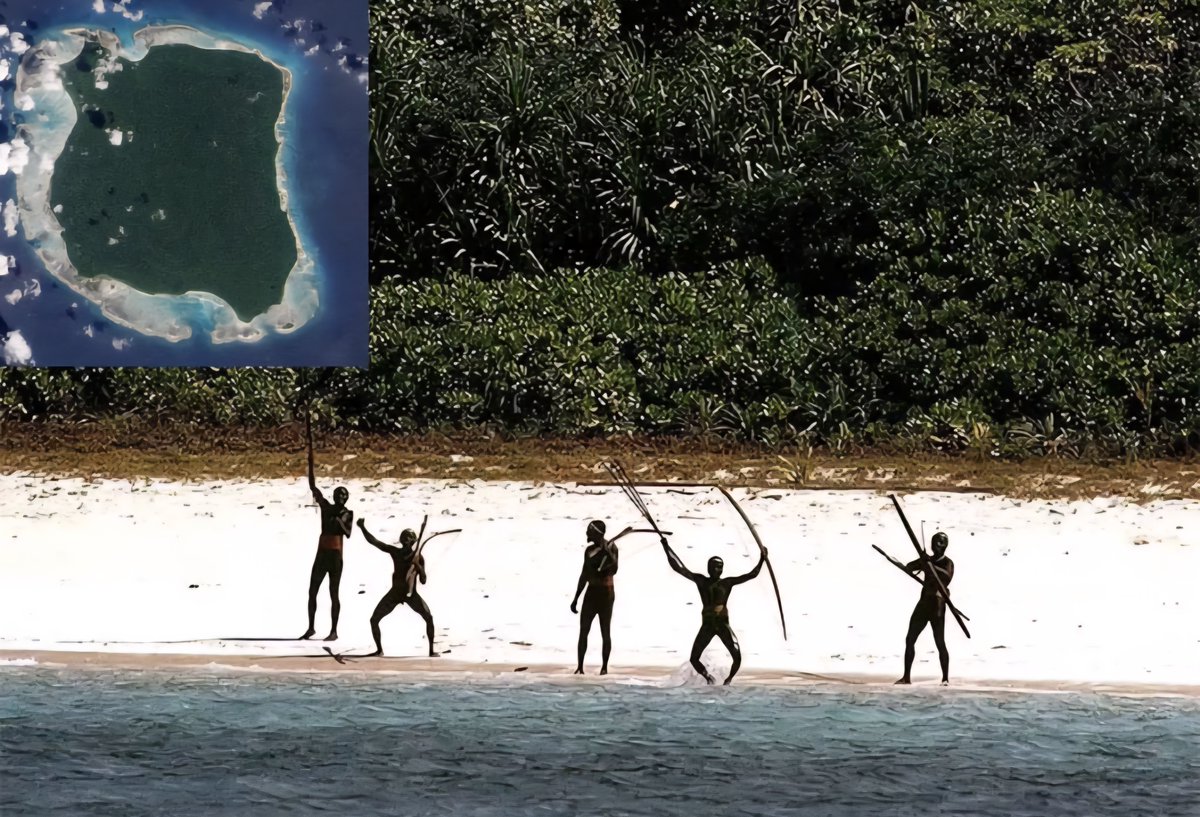
North Sentinel Island, India
Home to the fiercely isolated Sentinelese tribe, North Sentinel Island in the Andaman Islands remains one of the most remote and protected territories on Earth. The Indian government enforces strict regulations to keep outsiders away, respecting the tribe’s desire to remain undisturbed and protecting their way of life from external influence.
Surtsey Island, Iceland
Formed in 1963 during a volcanic eruption, Surtsey Island is a UNESCO World Heritage site dedicated to scientific study of new land and ecology development. To safeguard its fragile ecosystems, access to the island is tightly restricted, allowing only approved scientists and researchers to venture onto its terrain.
Ise Grand Shrine, Japan
This sacred site, dedicated to the Sun Goddess Amaterasu, is integral to Shinto traditions. The shrine’s inner sanctum is only accessible to priests during special ceremonies, and the general public cannot enter the most sacred areas. Visitors can admire the shrine’s architecture but must respect its spiritual boundaries.
North Brother Island, USA
Located in New York City’s East River, North Brother Island was once home to a quarantine hospital for infectious diseases. Now abandoned, the island has become a sanctuary for wildlife, and unauthorized visits are prohibited to ensure safety and preservation.
Dulce Base, United States
A popular subject in conspiracy theories, the Dulce Base is rumored to be an underground military installation beneath the New Mexico desert. While there’s no verified evidence supporting its existence, individuals attempting unauthorized access could face serious legal consequences.
Heard Island, Australia
Remote and rugged, Heard Island lies in the Southern Ocean and is a protected nature reserve. Its harsh environment and delicate ecosystems make it impossible for tourists, with access limited to scientific expeditions authorized by Australian authorities.
Doomsday Vault, Norway
Officially known as the Svalbard Global Seed Vault, this secure seed storage facility is designed to protect global plant diversity. While not completely off-limits, the vault’s interior is strictly private, with access reserved for authorized personnel only.
Snake Island, Brazil
Famous for its abundance of deadly bushmaster snakes, Ilha da Queimada Grande (Snake Island) is off-limits to visitors to prevent snakebite incidents. The Brazilian government restricts access, allowing only scientists and authorized personnel under strict safety protocols.
Area 51, United States
Arguably America’s most famous secretive military installation, Area 51 in Nevada is shrouded in mystery and classified operations. Unauthorized entry is forbidden, and the site remains heavily monitored by security personnel, fueling numerous conspiracy theories.
Tomb of Qin Shi Huang, China
Home to the Terracotta Army, this mausoleum holds the remains of China’s first Emperor. Excavations are ongoing, but the main tomb itself is closed to the public to preserve its structure, with authorities restricting access to prevent deterioration and protect the archaeological site.
Pravcicka Brana, Czech Republic
While the Pravcicka Gate—a stunning natural sandstone arch—can be visited by tourists, accessing certain secluded parts or the summit of nearby cliffs is prohibited to prevent environmental degradation and ensure visitor safety.
Niihau Island, USA
Often called the “Forbidden Island,” Niihau is a private reserve with limited access. Owned by Hawaiian natives, the island remains largely untouched by modern tourism, with visitors only allowed through special permissions, mainly for cultural or military reasons.
Whether safeguarding ancient artifacts, protecting endangered ecosystems, or maintaining national security, these forbidden sites remind us that some parts of our world are best left undisturbed—at least for now.
Stay curious, but always respect the rules and boundaries that help preserve our planet’s history and natural wonders.
 ChatGPT
 Perplexity
 Gemini AI
 Grok AI