Select Language:
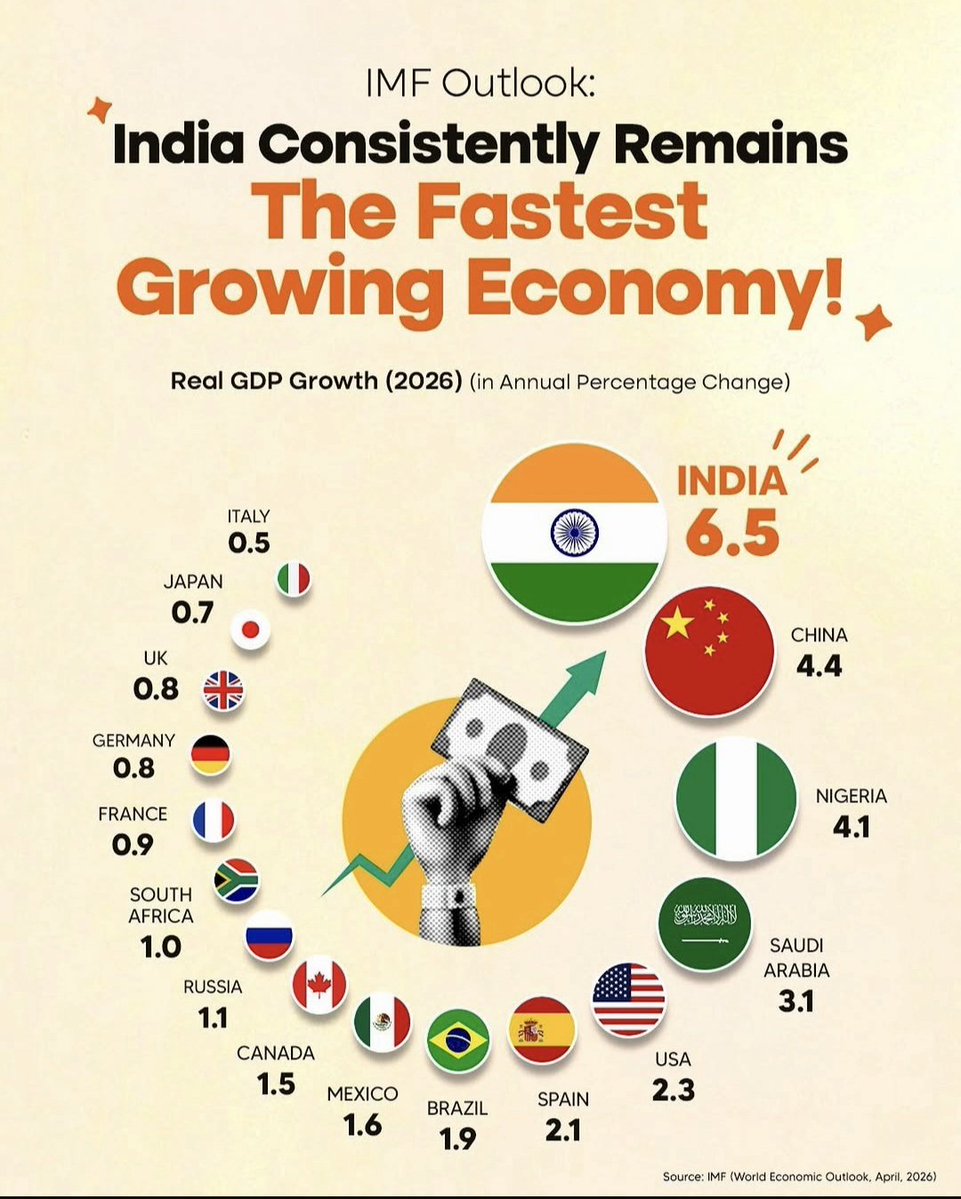
Top Countries Experiencing Rapid Economic Growth in 2026
-
India Leads the Pack with a 6.5% Growth Rate
India continues to dominate as the fastest-growing major economy in 2026, with an impressive GDP expansion of 6.5%. This growth is driven by a booming technology sector, robust domestic consumption, and significant investments in infrastructure and renewable energy. The nation’s government policies aimed at attracting foreign investments and improving ease of doing business have paid off, fueling this remarkable growth spurt. -
China Maintains Steady Expansion at 4.4%
After years of economic rebalancing, China remains a key player in global growth, achieving a 4.4% rise in GDP. The country’s focus on advancing high-tech manufacturing, expanding exports, and shifting towards a consumption-driven economy has kept its growth rates stable. Despite challenges like demographic shifts and geopolitical tensions, China’s resilience continues to bolster its economic outlook.ADVERTISEMENT -
Nigeria Surges Forward with 4.1% Growth
Africa’s largest economy, Nigeria, is experiencing a significant jump in GDP growth, reaching 4.1%. This upturn is largely attributed to increased oil production, diversification into sectors like agriculture and technology, and improvements in infrastructure. Nigeria’s youthful population and increasing urbanization are expected to sustain this positive momentum in the coming years. -
Saudi Arabia’s Economy Gains 3.1%
Saudi Arabia’s Vision 2030 reforms are paying dividends as the kingdom’s economy grows by 3.1%. Heavy investments in non-oil sectors, tourism, and entertainment are diversifying the economy, reducing dependence on hydrocarbons. Initiatives like hosting global sporting events and developing new cities are attracting international attention and investment. -
United States Shows Moderate Growth at 2.3%
The US economy continues its steady expansion with a 2.3% growth rate. Innovation-driven sectors such as technology, pharmaceuticals, and finance remain strong, although inflationary pressures and global market uncertainties temper optimism. Regulatory reforms, infrastructure investments, and consumer confidence support ongoing growth. -
Spain Bounces Back with a 2.1% Increase
Spain’s recovery post-pandemic has been impressive, with the economy expanding by 2.1%. Tourism, real estate, and renewable energy are central pillars of this resurgence. Government initiatives aimed at digital transformation and innovation are helping Spain regain its competitive edge in Europe. -
Brazil Climbs at 1.9% with Agriculture and Commodities
Brazil’s economy shows resilience with a 1.9% growth rate, driven by an uptick in agricultural exports and commodity prices. Policies promoting sustainable development and investment in infrastructure are enhancing competitiveness. The nation’s natural resources continue to be a key driver of economic activity. -
Mexico Sees 1.6% Growth Amid Trade and Manufacturing Strength
Mexico’s economy advances by 1.6%, supported by robust manufacturing sectors and strong trade relations, particularly with the United States. Ongoing reforms in energy and education sectors aim to further boost productivity and attract foreign direct investment. -
Canada Adds 1.5% to Its GDP
Canada’s growth remains steady at 1.5%, with natural resources, technology, and services sectors leading the way. Increased investment in clean energy and infrastructure projects are expected to sustain this rate, despite global economic fluctuations. -
Russia’s Economy Grows Slightly by 1.1%
Despite geopolitical challenges, Russia’s economy expands modestly at 1.1%. Key sectors include energy exports and agriculture. Strategic efforts to diversify the economy and modernize industrial sectors are slowly bearing fruit. -
South Africa Edges Up to 1.0%
South Africa’s GDP growth reaches 1.0%, driven by mining, agriculture, and consumer spending. Challenges such as political stability and infrastructure deficits remain, but reforms and investments in sustainable industries offer a path forward. -
European Economies Show Modular Growth: France, Germany, UK
France and Germany are both seeing approximate growth of 0.9% and 0.8%, respectively, with renewables, automotive, and manufacturing playing vital roles. The UK maintains a similar pace, recovering from recent economic uncertainties, with a focus on financial services and innovation. -
Japan and Italy Experience Slight Growth at 0.7% and 0.5%
Japan continues to grapple with demographic issues but maintains a steady 0.7%, focusing on robotics, AI, and green technology. Italy’s growth remains tepid at 0.5%, supported by tourism and small-to-medium enterprises, amidst ongoing structural reforms.
Summary:
The global economic landscape in 2026 showcases a diverse spectrum of growth, with emerging markets like India, Nigeria, and China leading the way. Developed economies maintain moderate increases, navigating challenges with strategic reforms and innovation. As nations adapt to changing geopolitical and technological trends, their growth trajectories indicate resilience and transformation on the road ahead.
Source: IMF (World Economic Outlook, April 2026)
 ChatGPT
 Perplexity
 Gemini AI
 Grok AI