Select Language:
European Countries Facing Changing Rape Rates in 2025
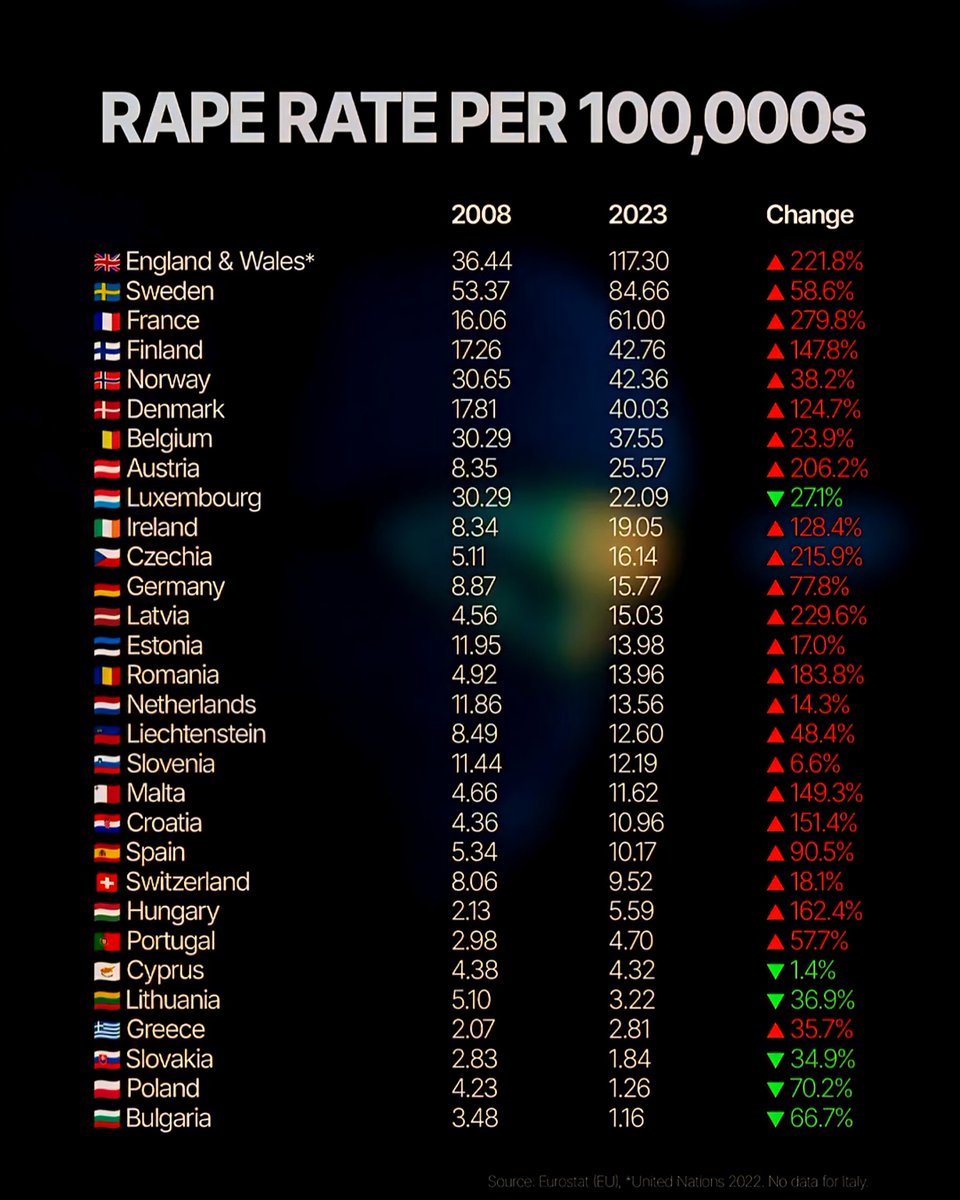
1. Rising Concerns in Scandinavia: Sweden and Norway
Sweden, historically known for its progressive policies, continues to grapple with high reported rape cases, with recent statistics indicating a slight uptick in incidents in the past year. The country’s justice system reports an increase of approximately 4% compared to 2024, sparking widespread debates on societal safety and law enforcement effectiveness.
Similarly, Norway has seen a marked rise in reported rapes, with reports increasing by 6%. Authorities suggest that enhanced reporting mechanisms and societal awareness campaigns might explain part of this increase, but critics warn it could also reflect persistent underlying issues related to gender-based violence.
2. Eastern Europe’s Steady Increase: Poland and Hungary
Eastern European countries are also witnessing a concerning trend. Poland reported a 3% rise in rape cases, with activists emphasizing the need for comprehensive gender violence prevention programs. Hungary experienced a 2% uptick, prompting discussions about the societal stigma surrounding sexual assault reporting and the importance of victim support services.
3. Decline in Crime Rates in Western Europe: France and Germany
Despite rising concerns elsewhere, some Western European nations show encouraging signs. France reported a decrease in reported sexual assaults by 2%, attributed to increased police patrols and community outreach initiatives. Germany saw a slight decline of 1% in reported cases, emphasizing the effectiveness of its recent legislative reforms aimed at improving victim support and law enforcement responses.
4. The Impact of Legislation and Social Movements
Across Europe, legislative changes and social movements play a vital role in shaping the landscape of sexual violence. Countries like Spain and the Netherlands have introduced stricter penalties for offenders and bolstered victim protection laws in recent years. These measures may contribute to the fluctuating reporting rates and the public’s willingness to come forward.
5. The Role of Awareness Campaigns and Reporting Mechanisms
Increased awareness campaigns across nations have led to more victims feeling empowered to report incidents, which can temporarily raise the apparent crime rates but ultimately aids in addressing the root causes. European countries are investing in safer, anonymous reporting channels and victim-centered support services, aiming to encourage more victims to speak out and seek justice.
6. Challenges in Data Collection and Underreporting
Despite advances, underreporting remains a significant issue across European nations. Cultural stigmas, fear of retaliation, and mistrust in law enforcement systems prevent many victims from coming forward. As a result, true incidence rates may be higher than official statistics suggest, underscoring the need for continued efforts to create safe environments for victims.
7. Future Outlook: Trends and Recommendations
Looking ahead, experts predict that Europe’s ongoing focus on education, prevention, and victim support will gradually lead to more accurate reporting and reductions in sexual violence. Cross-border cooperation and standardized data collection methods are essential for understanding and tackling the problem effectively.
In Summary: While some countries see a rise in reported rape cases, others report declines, reflecting diverse societal, legal, and cultural factors. Continuous work remains necessary to foster safer communities, improve reporting systems, and support victims across Europe.
Note: The statistics and trends mentioned are based on latest available data as of 2025 and are subject to change as new reports emerge.
 ChatGPT
 Perplexity
 Gemini AI
 Grok AI