Select Language:
The Global Landscape of Education in 2025
1. Primary Education Expansion Continues
In 2025, significant progress has been made in expanding access to primary education worldwide. Countries across Africa, Latin America, and parts of Asia have made impressive strides in achieving universal enrollment. Innovative solutions, such as mobile schools and digital classrooms, have played a crucial role in reaching remote communities. Despite these advances, challenges remain in ensuring quality education, with disparities persisting between urban and rural areas. Governments and NGOs are now focusing on curriculum enhancement and teacher training to bridge this gap.
2. Increased Enrollment in Secondary Education
Secondary education enrollment rates have surged over recent years, with many nations aiming for 90% or higher attendance. Policy reforms focused on reducing dropout rates, particularly among girls and marginalized groups, have shown promising results. Innovative technologies, such as AI-driven personalized learning platforms, are being integrated into curricula to improve engagement and learning outcomes. Countries like India, Brazil, and Nigeria are leading efforts to make secondary education more accessible and relevant to contemporary job markets.
3. Vocational and Technical Training Gaining Momentum
As careers become more specialized, vocational and technical training programs have gained prominence worldwide. In 2025, many governments are investing in apprenticeship programs and industry partnerships to equip students with market-ready skills. Countries like Germany and South Korea continue to serve as models, combining classroom learning with hands-on experience. This approach is helping to reduce youth unemployment and meet the demands of rapidly evolving industries, including technology, healthcare, and renewable energy.
4. Higher Education Embraces Online and Hybrid Learning Models
The shift towards digital learning in higher education has become a cornerstone in 2025. Universities worldwide now offer extensive online courses, degree programs, and hybrid models blending in-person and virtual instruction. This transformation has significantly increased accessibility for students in rural and underserved areas. Institutions are also adopting immersive technologies like virtual reality (VR) and augmented reality (AR) to create more interactive and engaging learning environments. However, expanding broadband infrastructure remains critical to ensuring equity in digital access.
5. Lifelong Learning and Adult Education Thrive
In today’s rapidly changing job landscape, continuous learning is essential. Governments and private organizations have expanded programs aimed at adult education and lifelong learning. Skill enhancement platforms, micro-credentialing, and industry-specific certifications are now commonplace, enabling workers to adapt to technological advancements and shifting economic conditions. Countries like Canada, Australia, and Singapore are at the forefront of promoting lifelong education, recognizing it as vital for individual prosperity and national competitiveness.
6. Education Funding and Policy Innovations
Funding remains a pivotal factor in shaping global education outcomes. In 2025, many nations are reallocating budgets to prioritize education, emphasizing equitable access and quality improvements. Innovative policies, such as performance-based funding and public-private partnerships, have emerged to sustain and expand educational initiatives. International organizations continue to advocate for increased investments, especially in early childhood education and marginalized communities, to close the global education gap.
7. Addressing Education Inequality
Despite impressive advancements, disparities continue along socioeconomic, gender, and geographic lines. Initiatives targeted at marginalized populations are crucial for fostering inclusive education. Data-driven approaches now inform policies to better allocate resources and tailor programs to specific community needs. In regions like Sub-Saharan Africa and Southeast Asia, youth-focused scholarships and community-led programs are making strides toward closing these gaps. Ensuring that all children, regardless of background, access quality education remains a top priority globally.
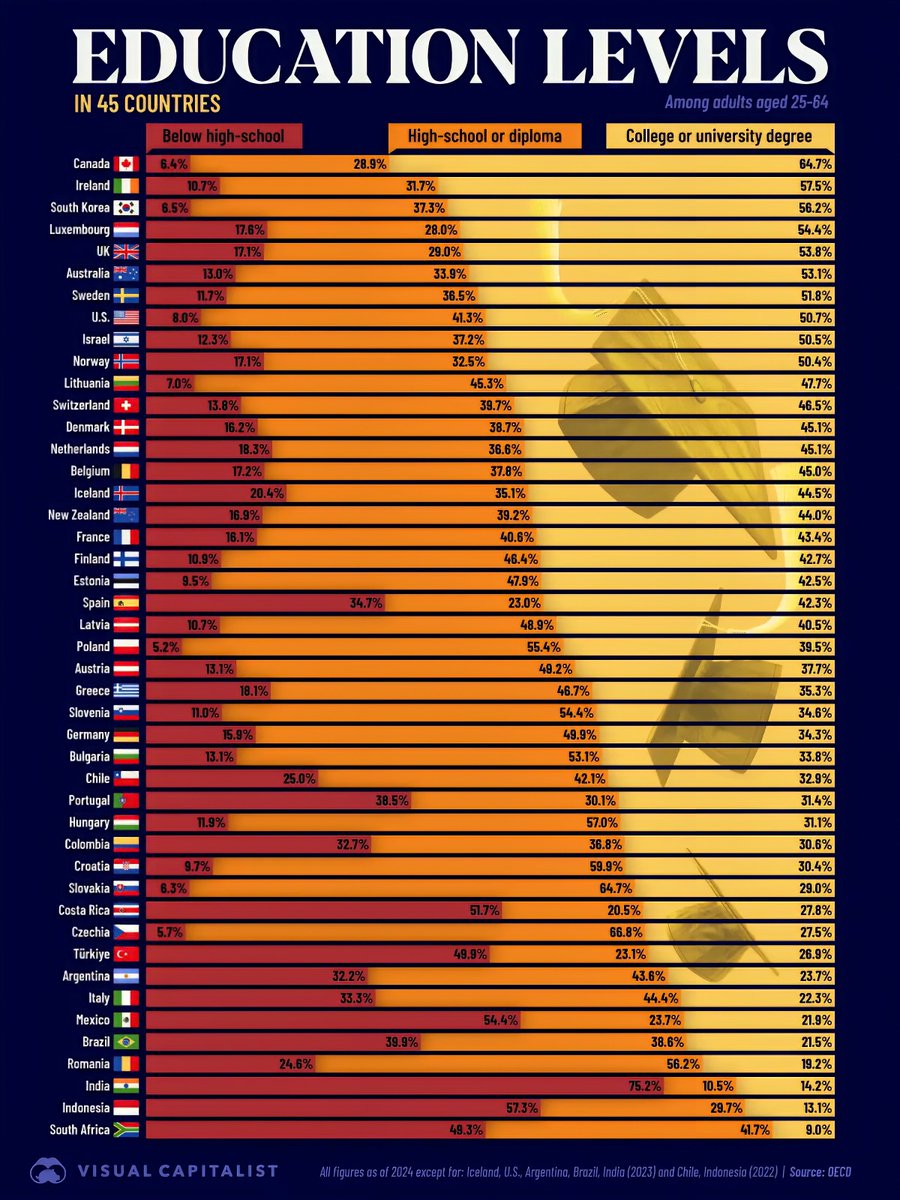
This list reflects the current state of education across the world in 2025, highlighting ongoing innovations, challenges, and policy trends shaping the future of learning worldwide.
 ChatGPT
 Perplexity
 Gemini AI
 Grok AI