Select Language:
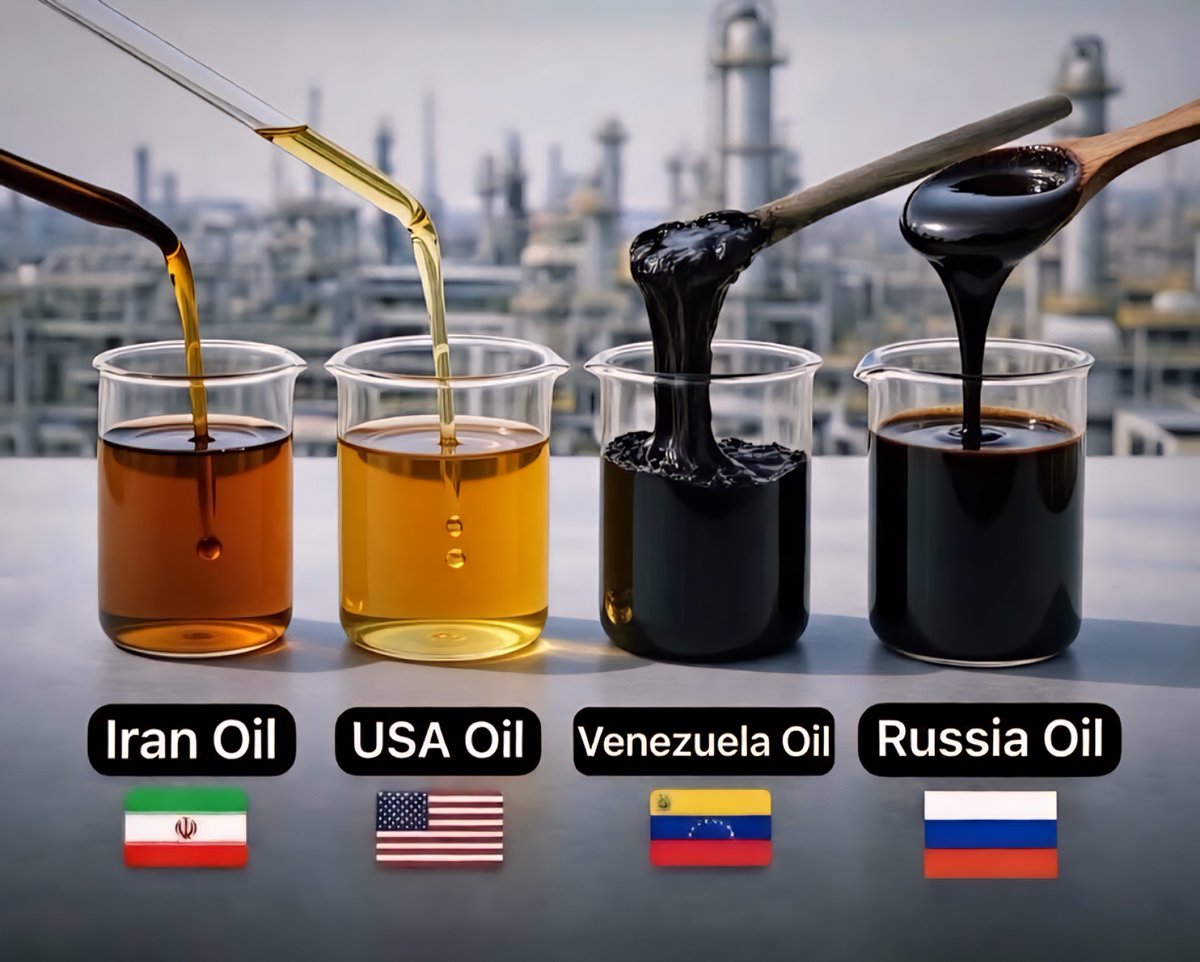
Top 10 Countries with the Largest Oil Reserves in 2025
1. Venezuela – Leading the World with Over 300 Billion Barrels
Venezuela holds the largest proven oil reserves globally, boasting approximately 303 billion barrels as of the end of 2024. The country’s vast reserves are primarily located in the Orinoco Belt, which has been a focal point for international oil companies for decades. Despite political and economic challenges, Venezuela’s reserve figures remain unmatched, making it a critical player in the global energy landscape.
2. Saudi Arabia – A Steady Giant with 267 Billion Barrels
Saudi Arabia continues to maintain its position as one of the top oil reserve holders, with roughly 267 billion barrels. The Kingdom’s extensive subterranean reserves have fueled its economy for generations and underpin its influence in the global oil market. Saudi Aramco, the state-owned company, manages these reserves, ensuring the country’s strategic energy policy.
3. Iran – Rich in Reserves with About 209 Billion Barrels
Iran hosts approximately 209 billion barrels of proven reserves, positioning it as one of the world’s most oil-abundant countries. Despite sanctions and geopolitical tensions, Iran’s underground reserves remain vast, and the nation continually seeks to expand its oil extraction capabilities.
4. Canada – Top Reserve Holder North of the Border with 163 Billion Barrels
Canada’s oil reserves are primarily located in the oil sands of Alberta. With about 163 billion barrels, Canada’s reserves include a significant amount of oil sands, which are energy-intensive to extract but valuable due to their volume. The country is working towards sustainable extraction methods amid global climate commitments.
5. Iraq – A Middle Eastern Power with 145 Billion Barrels
Iraq, home to some of the oldest and most significant oil fields, holds approximately 145 billion barrels of proven reserves. Its ongoing efforts to modernize infrastructure and boost production are vital for both regional stability and global supply.
6. United Arab Emirates – A Regional Leader with 113 Billion Barrels
The UAE’s reserves are concentrated mainly in Abu Dhabi, with total proven reserves close to 113 billion barrels. Its well-developed oil industry has positioned it as a key energy player in the Middle East, balancing fossil fuel profits with a push towards diversification.
7. Kuwait – An Oil-Rich Nation with Over 102 Billion Barrels
Kuwait maintains proven reserves exceeding 102 billion barrels. The country’s economic growth heavily relies on oil exports, and it’s investing heavily in infrastructure to optimize production and secure its energy future amidst fluctuating global demand.
8. Russia – Leading Eurasian Energy Producer with 80 Billion Barrels
With proven reserves of about 80 billion barrels, Russia remains a significant energy powerhouse. Its vast Siberian oil fields and advanced extraction techniques keep it competitive on the global stage. The nation continues to diversify its energy sources and trade relationships.
9. Libya – North African Reserves at 48 Billion Barrels
Despite political instability, Libya retains around 48 billion barrels of proven oil reserves. The country’s future energy prospects depend heavily on political stability and efforts to rebuild its oil industry infrastructure.
10. United States – The Largest Reserve Holder in North America with 45 Billion Barrels
While the US has traditionally been a leading producer, its proven reserves stand at approximately 45 billion barrels. The country has seen a surge in shale oil production, transforming it into a major energy exporter and reducing reliance on foreign imports.
Note: These figures are based on data as of year-end 2024 and include oil sands where applicable. The evolving geopolitical climate, technological advancements, and environmental policies continue to influence global oil reserve estimations and extraction efforts.
Understanding the implications of these reserves
The distribution of proven oil reserves highlights the strategic importance of Middle Eastern countries, notably Venezuela, Saudi Arabia, and Iran. Their vast reserves confer significant geopolitical leverage but also pose environmental and economic challenges. Meanwhile, countries like Canada and the US demonstrate the growth of unconventional oil resources amid global energy transitions.
The shift towards sustainable energy
Despite these massive reserves, the global trend leans increasingly towards renewable energy sources. Countries with significant oil reserves are exploring cleaner energy options and technological innovations to balance economic growth with environmental preservation.
The world’s energy map in 2025 continues to evolve, shaped by geopolitical tensions, technological progress, and the urgent push for sustainability.
 ChatGPT
 Perplexity
 Gemini AI
 Grok AI