Select Language:
Ensuring Access to Safe Tap Water Globally
In 2025, achieving reliable access to safe tap water remains a pressing challenge and a critical priority for governments and communities worldwide. Despite advances in technology and increased awareness, millions still rely on contaminated sources, risking health and well-being. Below are key developments and initiatives emphasizing the importance of safe tap water around the globe.
1. Innovative Water Treatment Technologies Transforming Urban Utilities
Cities across North America, Europe, and Asia are adopting cutting-edge water treatment methods to improve tap water safety. Advanced membrane filtration, UV sterilization, and smart sensors now allow utility companies to detect contaminants in real-time. For example, several U.S. cities have upgraded their infrastructure with IoT-enabled systems that continuously monitor water quality, ensuring any potential issues are addressed immediately. This proactive approach reduces the risk of outbreaks of waterborne diseases like cholera and dysentery and helps maintain public trust in municipal water supplies.
2. Community-Led Water Safety Initiatives Gaining Momentum
In rural areas of Africa and Southeast Asia, community-driven projects are making a significant impact. Local organizations are installing affordable and sustainable water treatment systems, such as biosand filters and chlorination stations, which empower residents to produce safe drinking water independently. These initiatives not only improve health outcomes but also foster community ownership and long-term sustainability. Governments are increasingly partnering with NGOs to scale these grassroots solutions, closing the gap in safe water access in underserved regions.
3. Policy Reforms and Funding Boosts Drive Global Progress
Recognizing the critical need for clean water, several governments and international agencies have increased investments in water infrastructure. The World Bank’s recent funding programs, aimed at upgrading aging pipelines and establishing resilient water systems, reflect a global commitment to equitable access. Additionally, policies now emphasize stricter regulations against industrial pollution and encourage water conservation practices, which are essential for maintaining water quality standards.
4. Clever Use of AI and Big Data to Predict and Prevent Water Contamination
Artificial Intelligence (AI) and data analytics are revolutionizing water quality management. Utility providers are leveraging big data to predict potential contamination events before they happen. By analyzing patterns in sensor data, authorities can proactively manage risks, implement targeted disinfection, and minimize disruptions. For instance, several European cities have integrated AI systems that forecast pollution spikes, allowing for swift interventions and improved water safety assurance.
5. World Health Organization’s Continued Push for Universal Access
The WHO’s Water, Sanitation, and Hygiene (WASH) program remains a leading advocate for universal access to safe tap water. In 2025, their initiatives focus on establishing international standards, supporting developing nations with technical expertise, and promoting the adoption of eco-friendly water purification technologies. The organization’s collaboration with local governments ensures that policies are culturally appropriate and effectively implemented, helping millions worldwide gain access to clean drinking water.
6. Public Awareness Campaigns Promote Water Safety Education
Educational campaigns targeting schools, workplaces, and communities are vital for fostering water safety knowledge. In 2025, governments and NGOs are emphasizing the importance of simple practices such as boiling tap water when contamination is suspected and recognizing signs of water quality issues. Campaigns utilizing social media and local outreach are proving effective in changing behaviors and encouraging community involvement in safeguarding water sources.
7. Advances in Desalination and Alternative Water Sources
With freshwater sources strained by climate change and population growth, desalination technologies are expanding globally. Coastal cities in the Middle East and California are investing in large-scale desalination plants to supplement traditional water supplies. Innovations in renewable energy-powered desalination, such as solar-driven reverse osmosis, are making these approaches more sustainable and economically viable, thus increasing the availability of safe tap water in arid regions.
8. Addressing Water Equity: Bridging the Gap for Marginalized Communities
Efforts are underway to ensure marginalized populations are not left behind. Programs targeting indigenous communities and low-income neighborhoods focus on installing affordable water infrastructure and providing education. This approach aims to reduce disparities and guarantee that everyone, regardless of socio-economic status, can access safe tap water, a fundamental human right.
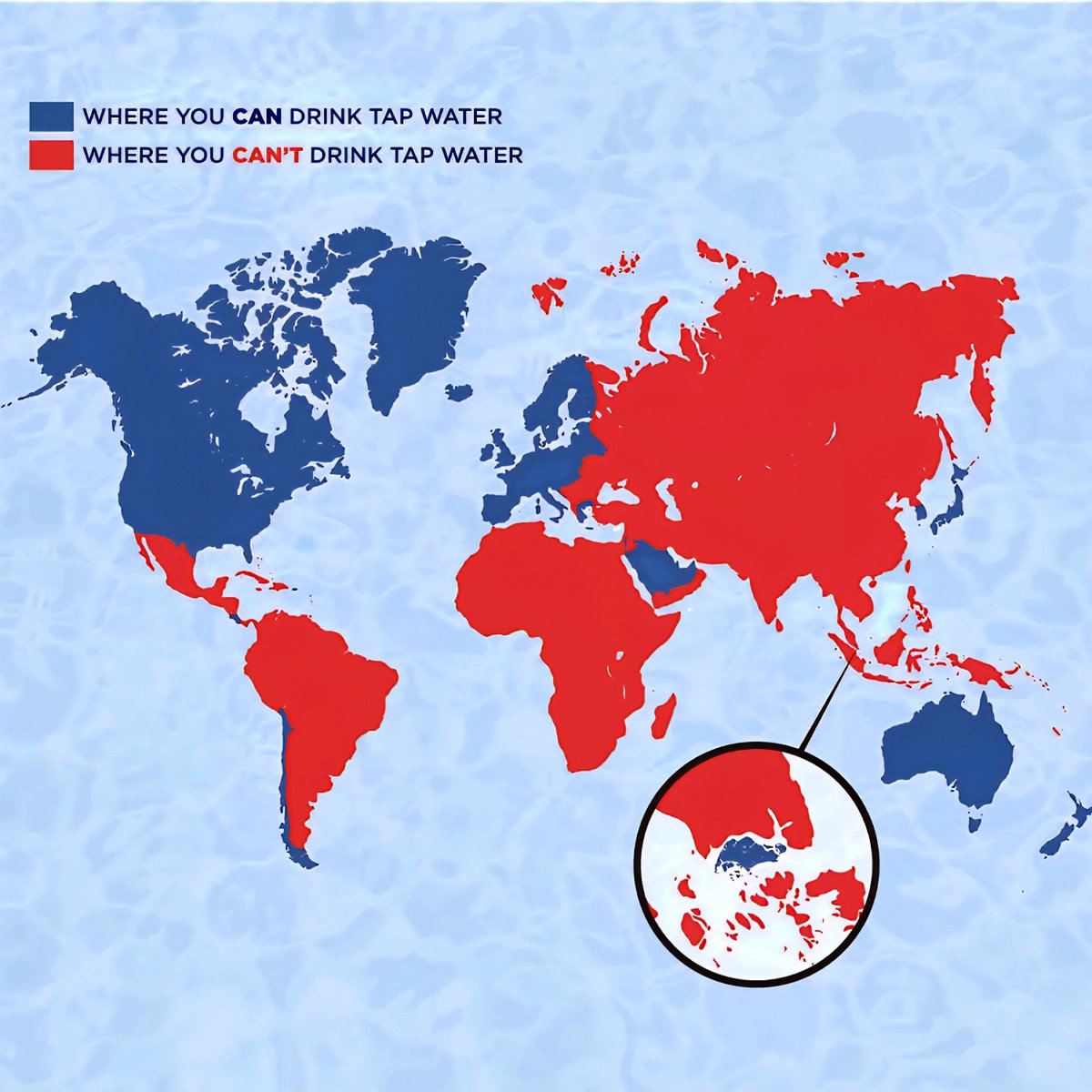
Global strides in water safety are ongoing, but challenges remain. Continued innovation, policy support, and community engagement are essential to ensuring clean, safe tap water for all in 2025 and beyond.
 ChatGPT
 Perplexity
 Gemini AI
 Grok AI