Select Language:
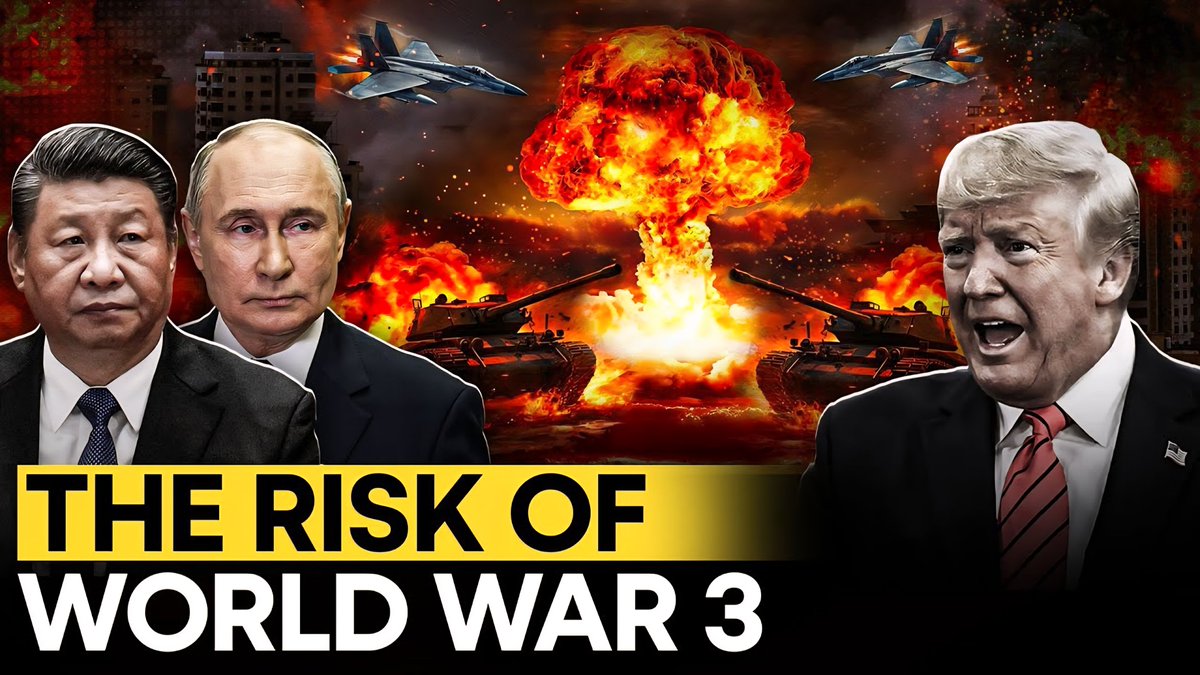
Countries Most Likely to Enter World War III in 2025
1. China: A Powerhouse on the Brink
With ongoing territorial disputes, economic competition, and expanding military capabilities, China remains the most prominent contender for escalation into a global conflict. Its strategic ambitions in the Indo-Pacific and strained relations with neighboring countries keep it at high risk.
2. The United States: Maintaining a Global Footprint
As a dominant superpower involved in numerous international conflicts and diplomatic tensions, the U.S. presence worldwide keeps it in the highest danger zone for potential involvement in a large-scale war.
3. Pakistan: Tense Borders and Political Instability
Pakistan’s volatile relationship with India, nuclear capabilities, and regional instability, especially regarding Kashmir, make it a flashing red light in global conflict risk assessments.
4. Nigeria: A Growing Threat on the African Continent
With internal unrest, extremist groups, and resource-driven disputes, Nigeria’s instability could spill over borders, drawing regional powers into a broader confrontation.
5. Russia: Reasserting Its Global Influence
Following recent conflicts and territorial ambitions, Russia’s actions in Eastern Europe and its strategic maneuvers place it at high risk of engaging in wider conflicts, especially with NATO.
6. Democratic Republic of Congo: Internal Conflicts Ignite External Risks
Longstanding civil unrest, resource struggles, and regional involvement underscore DRC’s susceptibility to conflict escalation that could involve neighboring nations.
7. Iran: A Hotbed of Tensions
With ongoing geopolitical standoffs over nuclear programs, sanctions, and regional influence across the Middle East, Iran remains a significant potential trigger point.
8. Myanmar: Civil War and Military Coups
Recent military takeovers and ethnic conflicts have deepened instability, raising concerns of wider regional spillovers involving neighboring Southeast Asian countries.
9. Sudan: Ethnic and Political Strife
Persistent civil unrest and political upheaval in Sudan threaten to escalate, potentially involving regional powers and international interventions.
10. Iraq: Fragile Stability
Ongoing insurgencies, political divisions, and foreign influences make Iraq an area of concern for possible widespread conflict.
11. Afghanistan: Post-U.S. Withdrawal Uncertainty
The Taliban’s resurgence and regional power struggles create an unpredictable environment that could escalate into broader conflict.
12. Yemen: A Proxy War Hotspot
Saddled with civil war and involved in regional proxy conflicts, Yemen’s instability could ignite or worsen international tensions.
13. Ukraine: Ongoing Conflict with Russia
The war in Ukraine remains a flashpoint for global tensions, with potential spillover into neighboring countries and beyond.
14. Niger: Political Tensions Rising
Political upheaval and military coups threaten regional stability, with the potential to draw external powers into the conflict.
15. North Korea: Nuclear Ambitions and Isolation
Its unstable regime, nuclear program, and provocative missile tests make North Korea a high-risk actor in potential global conflicts.
16. Syria: A Proxy War Ground
Years of conflict, foreign involvement, and political fragmentation keep Syria on the brink of drawing in major powers.
17 & 18. West African and Sahel Instability: Mali, Burkina Faso, and Somalia
Ongoing insurgencies, resource conflicts, and political instability make these countries potential flashpoints for regional escalation.
19. Israel: Continuous Tensions
Ongoing conflicts with Palestinian territories, regional disputes, and security concerns contribute to its high risk.
20. Libya and Lebanon: Fragile States
Internal conflicts, foreign influence, and political instability threaten to ignite broader regional confrontations.
Moderate Risks: Global and Regional Hubs
Several countries are at medium risk, often tied to regional conflicts or geopolitical vulnerabilities, including India, Indonesia, Bangladesh, Ethiopia, Mexico, Egypt, Philippines, Turkey, Germany, the UK, and France. These nations face various internal and external pressures that could escalate depending on international developments.
High-Impact Regions with Lower Immediate Risks
While traditionally stable, countries like Brazil, Vietnam, South Africa, Italy, and Canada could be drawn into conflicts through alliances, resource disputes, or environmental crises, especially in an increasingly interconnected world.
Peaceful Nations and Diplomatic Hubs
Several nations such as Japan, Uzbekistan, Hong Kong, Singapore, New Zealand, Mongolia, Uruguay, Armenia, and others are currently considered very low risk due to strong diplomatic ties, stable governments, and peaceful regional statuses.
 ChatGPT
 Perplexity
 Gemini AI
 Grok AI