Select Language:
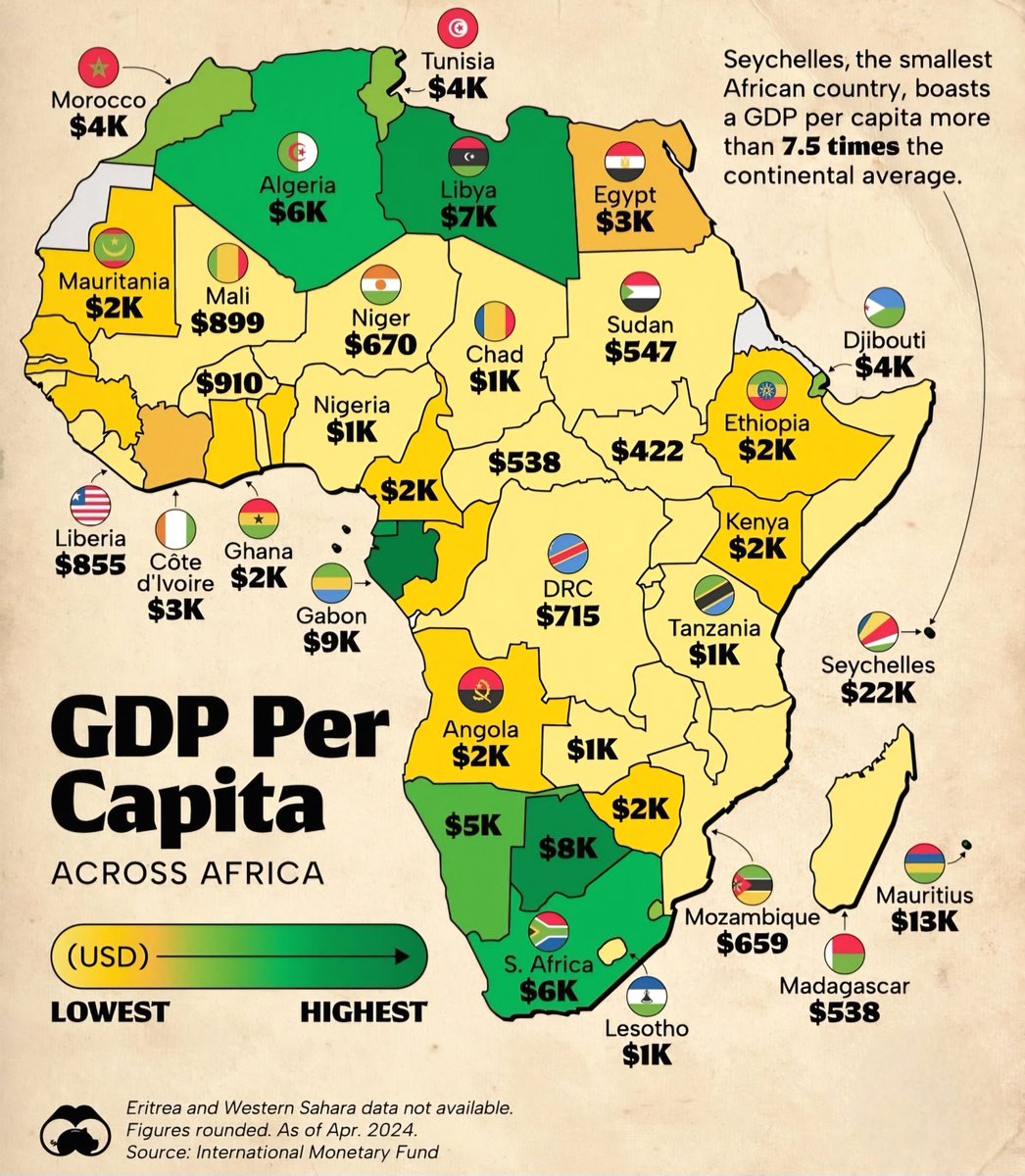
Africa’s Economic Leaders: The Countries with the Highest GDP Per Capita in 2025
1. Seychelles: The Wealthiest in Africa
Despite its small size, Seychelles continues to top Africa’s list of wealthiest countries, boasting a remarkable GDP per capita that surpasses many larger nations. Its economy thrives mainly on tourism, offshore financial services, and fishing industries, which benefit from its strategic location in the Indian Ocean. The nation’s stability, attractive tax policies, and luxury resorts have attracted high-net-worth individuals, contributing to its high living standards for residents.
2. Mauritius: Africa’s Economic Powerhouse
Mauritius has cemented its position as a leading African economy with diversified industries, including textiles, tourism, and financial services. Its consistent economic growth over recent years has been driven by government investments in infrastructure and education, creating a more skilled workforce. The nation’s open-market policies and ease of doing business have made it an attractive hub for foreign investment, leading to a higher GDP per capita relative to the continent.
3. Botswana: Stabilizing and Growing Economically
Known for its rich diamonds reserves, Botswana has managed to convert natural resources into a stable and growing economy. The country’s focus on good governance, prudent fiscal policies, and a thriving mining sector have propelled it to be among the wealthier nations in Africa. As a result, the standard of living and income levels have increased noticeably across the population.
4. Gabon: Rich in Natural Resources
Gabon’s economy benefits significantly from its abundant natural resources, primarily oil, manganese, and timber. The country’s investment in infrastructure and social services has improved economic stability and boosted household incomes. Despite global fluctuations in resource prices, Gabon has maintained a respectable GDP per capita, thanks to cautious economic management and efforts to diversify.
5. Namibia: Stable and Growing Economy
Namibia has become one of Africa’s more stable economies, with a diverse industrial base incorporating mining, manufacturing, and fishing. Its focus on sustainable development, combined with legal reforms attracting foreign investors, has helped elevate the nation’s economic status. High-quality infrastructure and political stability have further supported increased income levels.
6. South Africa: Africa’s Most Industrialized Economy
South Africa remains the continent’s most industrialized and diversified economy, with strong sectors in mining, manufacturing, finance, and services. Although income inequality remains high, certain regions and demographics enjoy a significantly higher standard of living, pushing the national GDP per capita into the upper echelons of African countries. Continued investment in technology and education is expected to sustain and further improve this position.
7. Ghana: West Africa’s Rising Star
Ghana has experienced rapid economic growth driven by its gold, cocoa, and oil sectors. Advances in infrastructure, energy, and education have helped increase the average income of its citizens. Ghana’s strategic focus on sustainable development and expanding industrial capacities have positioned it as a leading economy within West Africa.
8. Egypt: North Africa’s Economic Hub
Egypt has long been a central economic force in North Africa, with robust industries in tourism, agriculture, manufacturing, and petroleum. Recent reforms and infrastructure projects have attracted foreign investment, leading to improvements in GDP per capita. Urban centers like Cairo and Alexandria continue to see growth in income and living standards.
9. Algeria: Rich in Oil and Gas
Algeria’s economy heavily depends on its oil and natural gas exports, which generate substantial revenue. Despite facing economic challenges due to fluctuating global prices, reforms aimed at diversifying the economy and boosting non-oil sectors have contributed to a steady increase in per capita income. Gains in infrastructure and social services are also noticeable.
10. Libya: Potential Amidst Political Turmoil
While Libya faces ongoing political instability, its vast oil reserves still provide the potential for future economic growth. The lifting of sanctions and renewed efforts to stabilize the country are expected to boost oil production and economic activity, which could raise the GDP per capita in the coming years if stability is maintained.
This list highlights the stark economic disparities across Africa, with a handful of nations leading in wealth and income levels. Despite challenges like political instability, resource dependence, and infrastructure deficits, these countries are making strategic moves to diversify their economies, attract foreign investment, and enhance the quality of life for their citizens. As Africa continues to evolve economically in 2025, these nations provide a glimpse into the continent’s potential for growth and prosperity.
 ChatGPT
 Perplexity
 Gemini AI
 Grok AI