Select Language:
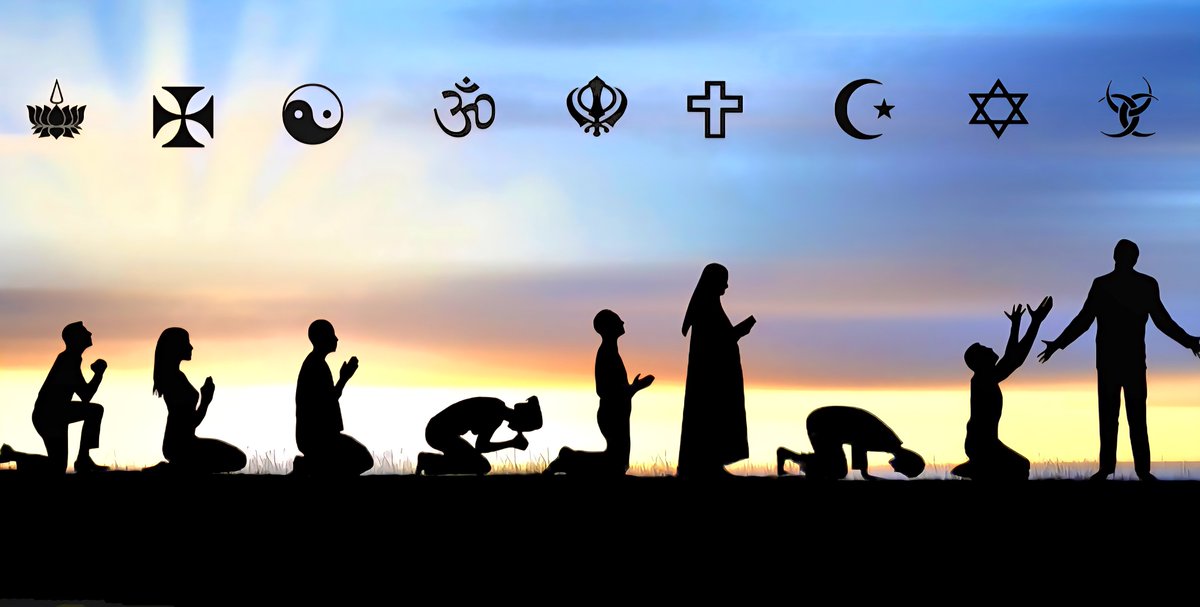
Top 50 Countries and Their Dominant Religions in 2025
1. India: The Hindu Majority with Nearly 80% Adherence
India continues to hold its status as the country with the largest Hindu population, with approximately 79.8% of its citizens identifying as Hindu. The rich tapestry of India’s spiritual history makes Hinduism a central part of its cultural identity, influencing festivals, traditions, and daily life. Despite the diversity, Hinduism remains the dominant faith across most regions, shaping India’s social and political landscape into 2025.
2. Japan: The Unaffiliated Rising to 60%
Japan stands out with an impressive 60% of its population identifying as unaffiliated with any organized religion. Shinto and Buddhism have historically influenced Japanese spirituality, but many now consider themselves secular or spiritually independent. This shift reflects broader trends of individual spiritual exploration and a move away from traditional congregational faith systems.
3. United States: A Christian Nation At Heart
In the U.S., about 63% of the population adheres to Christianity, making it the largest religious group. Christianity’s influence permeates American cultural norms, politics, and social values, despite a growing number of secular and non-religious Americans. The diversity within Christianity also reflects the country’s multicultural makeup, with various denominations represented nationwide.
4. Pakistan: An Almost Entirely Muslim Nation
With 97% of its population practicing Islam, Pakistan remains predominantly Muslim, confirming its identity as a deeply religious Islamic republic. Islamic law and traditions significantly shape the country’s legal system, public policy, and daily life for its citizens. The country continues to be a religious hub for Sunni and Shia Muslims alike.
5. Nigeria: A Religious Melting Pot with Islam Slightly Leading
Nigeria’s religious landscape is characterized by a roughly even split, with 50.5% of the population practicing Islam. It remains one of Africa’s most religious nations, with Christianity also having a significant presence, especially in the southern regions. Religious diversity influences politics, culture, and societal norms across the country.
6. Bangladesh: Islam as the State Faith
Bangladesh has become nearly entirely Islamic, with approximately 90% adherence. The majority follow Sunni Islam, with Islamic festivals and practices deeply embedded in daily life. The country’s Islamic traditions influence legislation, social customs, and education systems, reinforcing its identity as a Muslim nation in South Asia.
7. Brazil: Christianity’s Stronghold
With 88% of the population identifying as Christian, Brazil remains Latin America’s religious powerhouse. Catholicism is still dominant, but Pentecostal and evangelical churches have gained significant traction, reshaping the religious landscape. Religious festivals and rituals remain central to Brazilian culture, influencing politics and social life.
8. Russia: Deep-rooted Christianity
Christianity, particularly Russian Orthodoxy, is the faith of about 72% of Russians. The Russian Orthodox Church continues to wield considerable influence over national identity, cultural traditions, and social policies. The resurgence of religious expression in recent decades marks a shift towards more visible faith practices across Russia.
9. Mexico: A Roman Catholic Stronghold
Mexico maintains its status as a predominantly Catholic nation, with 82% of its population adhering to Christianity. Religious festivals, devout traditions, and a vibrant church community underpin Mexican societal norms, even as secularism and other faiths grow in influence.
10. Indonesia: The World’s Largest Muslim-Majority Nation
Indonesia, with 87% Muslim population, remains the largest Muslim-majority country globally. Islamic practices heavily influence Indonesian culture, politics, and the legal system, particularly in the most populous regions such as Java. The country also respects religious pluralism, with Buddhism, Christianity, and indigenous faiths present.
11. Egypt: Predominantly Muslim
Egypt’s 90% Muslim population predominantly follows Sunni Islam. Cairo and other cities are centers of Islamic learning and culture, with a rich tradition of Islamic art, architecture, and scholarship that continues to thrive amidst modern influences.
12. Turkey: Nearly Universal Islam
Turkey remains an overwhelmingly Muslim nation, with 98% of its citizens practicing Islam. The country balances secular governance with Islamic cultural heritage, although recent years have seen increased expressions of Islamic identity within public life.
13. Iran: Almost Entirely Muslim
Iran’s population of 99% Muslims primarily adhere to Shia Islam. Islamic law profoundly shapes Iran’s political framework, social customs, and national identity, especially since the Islamic Revolution of 1979.
14. Philippines: Christianity at the Core
With about 90% of its population practicing Christianity, the Philippines stands as Southeast Asia’s predominantly Christian nation. Catholic traditions dominate, influencing national holidays, rituals, and societal values.
15. Ethiopia: A Christian Nation in Africa
Ethiopia’s Christianity, particularly Ethiopian Orthodoxy, covers 60% of the population. Its ancient Christian traditions contribute to the country’s cultural identity, with religious festivals forming core parts of community life.
16. Vietnam: The Unaffiliated Cultures Expand
Approximately 70% of Vietnam’s population identify as unaffiliated with organized religion. Despite historical influences of Buddhism and Confucianism, modernization and secularism have led many Vietnamese to consider themselves spiritual but not religious.
17. South Korea: Balancing Tradition and Modernity
With 56% unaffiliated, South Korea illustrates a broader trend of spiritual independence. While Buddhism and Christianity remain influential, many Koreans embrace a more individualistic approach to spirituality and religion.
18. Germany: Christian Roots Persist
Christianity is followed by about 55% of Germans, split mainly between Protestants and Catholics. The long-standing Christian heritage continues to influence cultural events, social policies, and national identity.
19. France: The Secular Christian Legacy
Nearly half of France’s population, around 47%, identifies as Christian. The country’s secular principles coexist with a Christian cultural past, influencing national celebrations, art, and public life.
20. United Kingdom: Christianity’s Legacy
With about 49% of the population identifying as Christian, the UK’s churches’ influence has declined but remains a significant part of history and culture, especially in areas like England where Anglicanism is prominent.
21. Italy: The Catholic Heart of Europe
Italy’s 80% Catholic population reflects its deep-rooted religious traditions. Vatican City is located within Italy, emphasizing the country’s central role in global Catholicism.
22. Spain: Catholic Traditions Endure
70% of Spaniards continue to practice Catholicism, influencing local festivals, culinary traditions, and national identity, despite modern secular tendencies.
23. North Korea: Virtually Atheist
North Korea is estimated to be nearly 100% unaffiliated with any religion, with state ideology replacing traditional faiths. The regime’s strict control over religious expression means genuine religious practice is virtually nonexistent.
24. Kyrgyzstan: Islam as the Main Faith
About 85% of Kyrgyzstan’s population practices Islam, mainly Sunni. Islamic traditions shape cultural practices and societal norms across the Central Asian nation.
25. Kazakhstan: A Muslim Majority
With 70% Muslim adherence, Kazakhstan blends Islamic traditions with Soviet-influenced secularism, creating a diverse religious landscape that promotes pluralism.
26. Australia: A Christian Minority
While only 44% adhere to Christianity, religious diversity in Australia features significant secularism and multicultural influences, making it one of the more religiously pluralistic countries.
27. Canada: Religious Diversity
Approximately 53% of Canadians identify as Christian. The country is notably tolerant of various faiths, including growing secular and non-religious populations.
28. South Africa: Christianity’s Stronghold
With 80% Christian adherence, South Africa’s faith landscape is shaped by diverse denominations, influencing social cohesion and community life.
29. Thailand: The Predominance of Buddhism
Buddhism is practiced by an impressive 93% of Thais. Monks and temples are integral to daily life, shaping the country’s cultural and spiritual identity.
30. Malaysia: A Muslim Majority with Diversity
About 61% of Malaysians practice Islam. The country’s multicultural society includes significant Buddhist, Christian, and indigenous communities, creating a vibrant religious fabric.
31. Saudi Arabia: The Heartland of Islam
Practicing Islam at nearly 100%, Saudi Arabia remains the cradle of Islam, housing the holy sites of Mecca and Medina, central to Islamic faith and pilgrimage.
32. Israel: The Jewish Homeland
Approximately 74% of Israel’s population identifies as Jewish. Religious life is central, with Judaism influencing national customs, politics, and identity.
33. Iraq: Islam as the Unifying Faith
At 95%, Islam dominates Iraq, with significant Sunni and Shia populations. Religious festivals and customs are vital social and political components.
34. Syria: Deeply Islamic
Even amidst conflict, about 90% of Syrians practice Islam. Islamic traditions are woven into cultural practices and community life, despite ongoing upheaval.
35. Lebanon: Religious Pluralism with Islam Leading
About 61% of Lebanese practice Islam, with Christianity also having a prominent presence. The country’s complex religious tapestry influences politics and societal structures.
36. Tunisia & Morocco: Nearly Entirely Muslim
Both nations are Muslim-majority countries, with 99% adherence. Islamic traditions deeply influence local customs, laws, and societal norms.
37. Afghanistan: A Nation of Islamic Faith
Practicing at a 99% rate, Afghanistan remains deeply Islamic, with Sunni Islam forming the backbone of its social fabric and governance.
38. Sri Lanka: Buddhism’s Cultural Pillar
70% of Sri Lankans follow Buddhism, shaping cultural identity, art, and national holidays rooted in Buddhist tradition.
39. Nepal: The Hindu Heritage
81% of Nepalese practice Hinduism, influencing festivals, social customs, and even architecture, forming the core of national identity.
40. China: A Shift Toward Secularism
Approximately 75% of Chinese identify as unaffiliated with organized religion. While Buddhism, Taoism, and Confucianism have historical roots, secularism dominates urban lifestyles.
41. South America & the Caribbean: Christian Affinity
Countries like Argentina, Colombia, Venezuela, and Peru report Christian adherence rates from 70 to 90%, shaping cultural and political spheres across the continent.
42. Africa’s Religious Diversity
Tanzania and Kenya are predominantly Christian, with adherence around 60-85%. Religious festivals and community gatherings play essential roles in societal cohesion.
43. Asia’s Multi-Faith Tapestry
Thailand’s Buddhism, Malaysia’s Islam, and the Middle East’s Islamic dominance highlight the continent’s religious diversity, yet each reflects strong local influences shaping societies.
44. The Ongoing Religious Shifts
In 2025, many nations have experienced shifts in religious adherence, with some countries witnessing declines in organized religion participation. Secularism and individual spirituality continue to grow globally, offering a nuanced picture of faith in the modern world.
Source: Pew Research Center – Religious Composition by Country (2010–2020 data, 2025). World Population Review
Note: All figures are estimates; for the latest and most precise data, consult official reports.
 ChatGPT
 Perplexity
 Gemini AI
 Grok AI