Select Language:
1. Unforgettable Crime and Thriller Classics
Memories of Murder (2003)
Directed by Bong Joon-ho, this gripping crime drama captures a series of unsolved murders that haunt a small town in Korea. It’s praised for its intense storytelling and compelling performances, representing Korean cinema’s mastery in blending suspense with social commentary.
Oldboy (2003)
A visceral revenge thriller directed by Park Chan-wook, “Oldboy” is renowned for its shocking twists and brutal narrative. Its influence extends far beyond Korean cinema, inspiring filmmakers worldwide with its dark exploration of vengeance and redemption.
The Chaser (2008)
This gritty thriller follows a detective-turned-pursuer trying to catch a serial killer. Praised for its tight pacing and raw intensity, the film exemplifies Korea’s proficiency in tense, character-driven narratives.
The Wailing (2016)
Director Na Hong-jin crafts a supernatural mystery steeped in folklore and paranoia, keeping viewers on the edge of their seats. The film’s layered storytelling and haunting atmosphere make it a standout in contemporary Korean noir.
2. Films That Redefine Social and Cultural Narratives
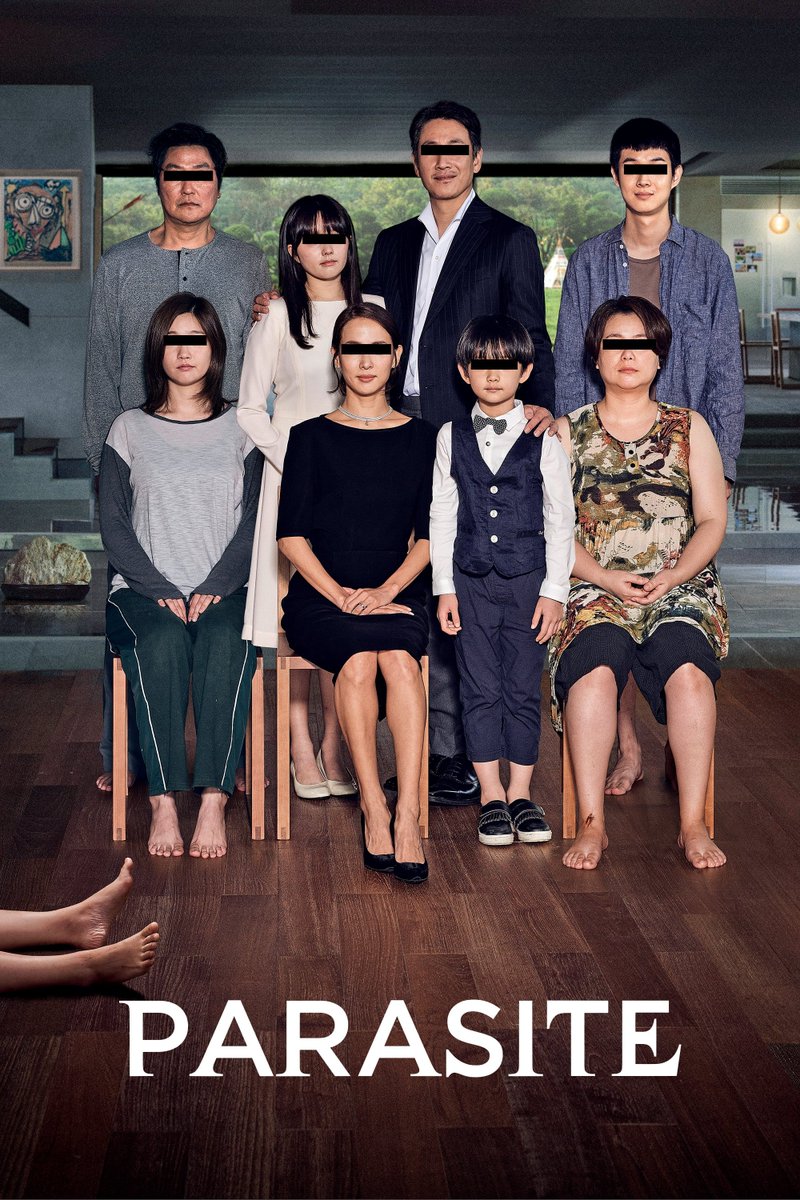
Parasite (2019)
Bong Joon-ho’s groundbreaking film became the first South Korean movie to win the Oscar for Best Picture. A biting satire on social inequality, it blends dark comedy and thriller elements to expose class divides with razor-sharp precision.
Mother (2009)
A gripping exploration of maternal devotion and societal judgment, “Mother” demonstrates Bong Joon-ho’s talent for storytelling that intertwines personal trauma with societal critique.
Secret Sunshine (2007)
Focusing on grief and spiritual salvation, this film showcases Lee Chang-dong’s sensitive portrayal of loss and redemption, resonating deeply with audiences worldwide.
1987: When the Day Comes (2017)
A powerful political drama recounting Korea’s pivotal democratization movement, inspiring hope and emphasizing the importance of civic courage.
3. Iconic Korean Action and Adventure Films
Train to Busan (2016)
This action-packed zombie thriller set on a speeding train became an international sensation, delivering relentless excitement alongside moments of heartfelt emotion.
The Man from Nowhere (2010)
Starring Won Bin, this film features a gritty story of redemption as a lonely pawnshop keeper fights to save a young girl from violent criminals, epitomizing Korean action cinema’s vigor.
A Taxi Driver (2017)
Based on a true story, it recounts a cab driver’s dangerous journey during Korea’s 1980 Gwangju uprising, highlighting courage amidst political turmoil.
The Outlaws (2017)
Set in Seoul’s criminal underworld, this high-octane story illustrates the relentless pursuit of justice in corrupt environments.
4. Masterpieces in Drama and Emotional Storytelling
House of Hummingbird (2018)
This coming-of-age drama delicately portrays a young girl navigating adolescence amidst family struggles, capturing a poignant slice of life that resonates universally.
Castaway on the Moon (2009)
A unique romantic drama where a man, stranded on a deserted island in Seoul, finds freedom and love unexpectedly, blending humor with profound reflection.
Housemaid (1960)
A timeless classic that delves into obsession and class hierarchies within a wealthy household, inspiring remakes and scholarly analysis to this day.
5. Genre-Bending and Experimental Films
Snowpiercer (2013)
Directed by Bong Joon-ho, this sci-fi action film set on a perpetually moving train is a sharp allegory on social stratification, blending genre elements with political critique.
Save the Green Planet! (2003)
A bizarre, cultish mix of horror and satire, this film challenges audiences’ perceptions with its surreal storytelling and dark humor.
Right Now, Wrong Then (2015)
A reflective Korean drama that explores second chances and human connection through overlapping narratives, praised for its subtle performances and layered storytelling.
6. Enduring Classics and International Favorites
Winter, Spring, Summer, Fall… and Spring (2003)
Director Kim Ki-duk’s meditative film set in a floating monastery beautifully captures the cycles of life through the lens of Buddhist philosophy.
Chunhyang (2000)
A colorful retelling of a classic Korean love story, blending romance and cultural tradition with vibrant visuals.
Seopyeonje (1993)
A poignant portrayal of traditional Korean pansori singers, highlighting the power of music and cultural preservation.
Christmas in August (1994)
A tender story of lost love and longing, capturing viewers’ hearts with its simplicity and emotional depth.
Note: This list reflects the dynamic evolution of Korean cinema through 2025, showcasing a diverse array of films that have left an indelible mark on both critics and audiences worldwide. These movies exemplify how Korean filmmakers continue to push boundaries, blending genres, and storytelling techniques to create compelling art for global viewers.
 ChatGPT
 Perplexity
 Gemini AI
 Grok AI