Select Language:
1. Real Estate Continues to Dominate Global Asset Values
With an estimated worth of around $674 trillion, real estate remains the biggest asset class worldwide. From residential homes and commercial properties to sprawling industrial parks, property investments continue to attract the most capital from investors globally. The persistent demand in major markets like New York, London, and Tokyo, alongside emerging markets, underscores real estate’s stability as an asset class. Despite market fluctuations, the long-term growth prospects and inflation hedge qualities keep real estate at the top of the list.
2. Oil and Natural Resources Still Hold Significant Value
Fossil fuels like oil and natural gas maintain hefty rankings with a combined valuation exceeding $163 trillion. Oil, valued at approximately $153 trillion, remains vital to global energy consumption despite the push for renewable alternatives. Natural gas, estimated at nearly $10 trillion, plays a critical role in energy markets, especially in Europe and Asia. These commodities continue to influence geopolitical strategies, supply chains, and energy policies in 2025.
3. The Rise of Digital and Tech Giants in Asset Valuation
Big tech firms have firmly established themselves among the world’s most valuable assets. Companies like NVIDIA ($4.49 trillion), Apple ($3.83 trillion), and Microsoft ($3.01 trillion) contribute significantly to the digital economy. NVIDIA’s valuation highlights its dominance in AI, gaming, and data center sectors, while Apple’s consistent market valuation reflects its maintained consumer trust and ecosystem strength.
4. Cryptocurrencies Make a Noteworthy Presence
Bitcoin, the leading cryptocurrency, is valued at about $1.39 trillion, representing a vital digital asset in 2025’s global landscape. While not comparable to traditional assets like real estate or stocks, cryptocurrencies have diversified the asset spectrum and attracted institutional investor interest. The increasing legitimacy and regulation of digital assets continue to shape their valuation trends.
5. Stock Market Titans and Tech Firms Lead in Equity Valuations
U.S.-based firms like Walmart, Eli Lilly, and JP Morgan Chase showcase the strength of traditional and emerging sectors. Walmart’s valuation nears $998 billion, reflecting retail resilience, while Eli Lilly demonstrates the vigor of the healthcare sector at nearly $896 billion. Tech giants like Amazon and TSMC are also among the top assets, emphasizing technological innovation and manufacturing dominance.
6. Precious Metals and Commodities Hold Their Ground
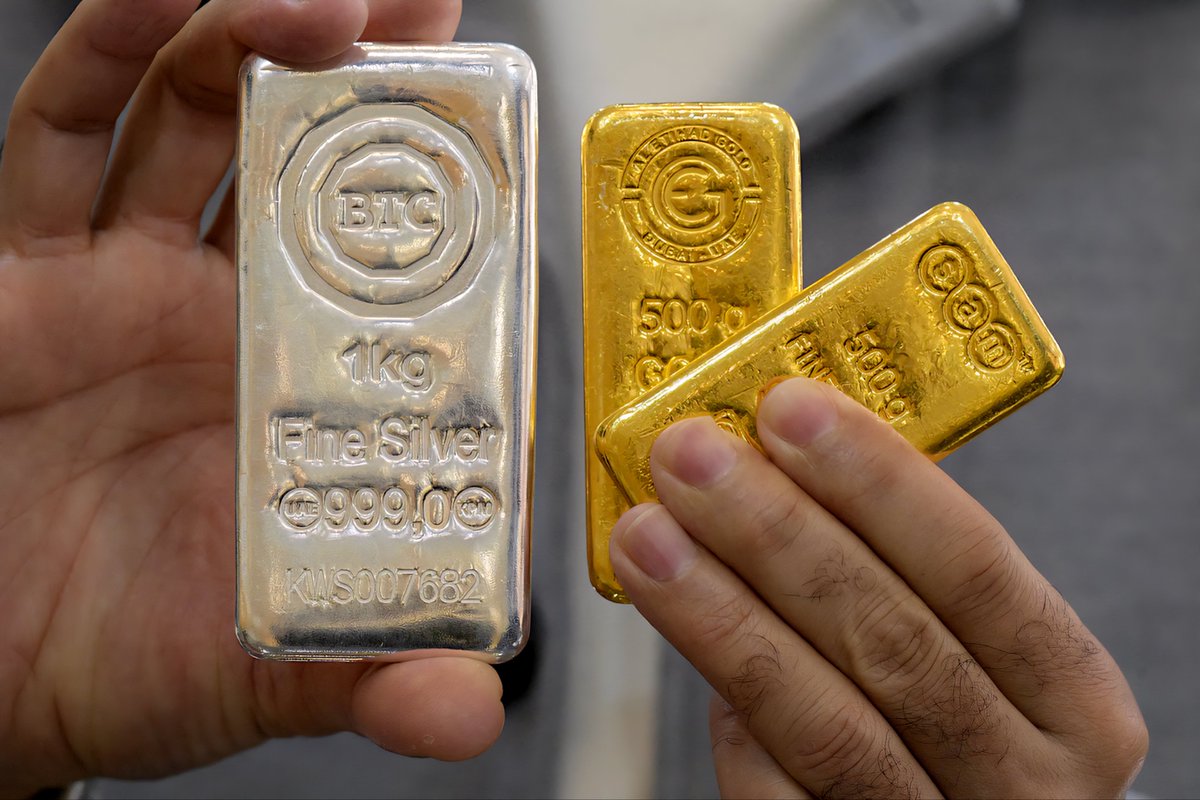
Gold ($34.91 trillion), silver ($4.97 trillion), and platinum ($708 billion) continue to serve as safe haven assets, especially during economic turbulence. Gold’s robust valuation reflects its ever-present role as a store of value, especially when inflation concerns rise. Platinum’s valuation, driven by its industrial applications, remains a key indicator of economic activity.
7. Currencies and Sovereign Wealth Funds Shape the Global Financial Framework
Major currencies such as the Chinese Yuan ($50.49 trillion), the U.S. Dollar ($22.44 trillion), and the Euro ($18.81 trillion) exemplify the importance of foreign exchange reserves and international trade. Sovereign wealth funds and central banks strategically hold these currencies and assets to stabilize their economies and influence global markets.
8. Growth of Regional Market Leaders and Emerging Economies
Markets in South Korea, India, and Brazil have substantial holdings in assets: Samsung at $865 billion, the Indian Rupee equivalent to $791 billion, and the Brazilian Real valued at $1.42 trillion. These figures reflect emerging economies’ dynamic growth and increasing integration into the global financial system.
9. The Role of Industry-Specific Assets
Companies like Aramco ($1.73 trillion), TSMC ($1.80 trillion), and ExxonMobil ($617 billion) demonstrate the strategic importance of industrial and energy assets. These corporations are critical players in their regions and maintain substantial influence on global supply chains and energy markets.
10. The Expanding Influence of Fintech and Payment Services
Financial services companies such as Visa ($606 billion), Mastercard ($459 billion), and Johnson & Johnson ($587 billion) signify the ongoing digital transformation in finance. Their valuations depict the increasing preference for digital payments and health-related services, driven by technological innovation.
The financial landscape of 2025 is a complex mosaic of traditional assets, technological innovations, and emerging markets. While commodities like oil and precious metals maintain their significance, digital assets, tech giants, and real estate dominate as the pillars of global wealth.
Source: AssetMarketCap 2025
 ChatGPT
 Perplexity
 Gemini AI
 Grok AI