Select Language:
1. Tesla’s Critical Moment in 2013
By early 2013, Tesla was teetering on the brink of collapse. The innovative electric vehicle company faced dwindling cash reserves, with only two weeks’ worth of funds remaining. Sales of the Model S, which was seen as Tesla’s flagship vehicle, had stalled, and customer complaints about car flaws were mounting. The company was struggling not just financially but also in terms of consumer confidence, putting its future in jeopardy.
2. The Near Sale to Google
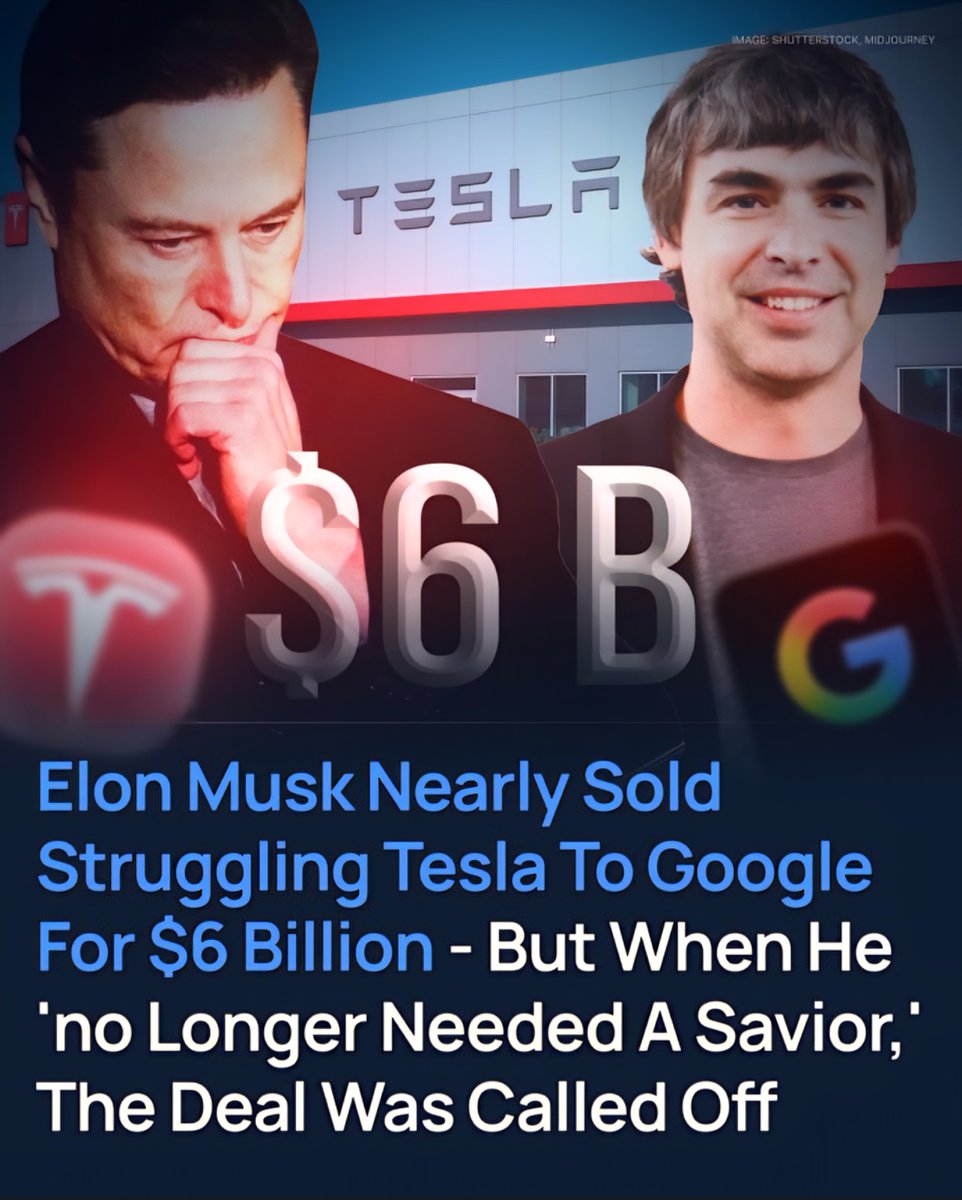
At this bleak juncture, Elon Musk and his team contemplated a drastic move — selling Tesla to Google. Larry Page, Google’s co-founder, expressed interest in acquiring Tesla for approximately $6 billion, coupled with a pledge to invest an additional $5 billion to build new factories. This deal stipulated that Musk would continue serving as Tesla’s CEO for up to eight years, allowing the brand to maintain its independence and innovative spirit.
3. The Deal Almost Sealed
As negotiations neared their final stages, lawyers drafted contracts and the deal appeared inevitable. The implications were massive: Tesla, a trailblazer in electric vehicles, might have become part of Google’s sprawling empire. Yet, just as the ink dried on the paperwork, a surprising turn of events occurred — Tesla’s sales of Model S suddenly surged.
4. The Resurgence and Profitability
Tesla’s unexpected sales revival brought in enough revenue to stabilize the company’s shaky finances. By the first quarter of 2013, the electric carmaker posted its first profit — a modest $11 million, but a significant milestone after months of uncertainty. This financial turnaround sparked investor confidence, and Tesla’s stock price ignited an upward trajectory, reflecting renewed faith in the company’s potential.
5. Musk’s Bold Decision to Reclaim Control
With a newfound momentum, Musk made the pivotal decision to cancel the looming sale to Google. Instead of capitulating, Tesla chose to fight for its independence. The company repaid its government loan early, signaling confidence in its singular vision. This decision was not just a financial move but a symbolic stand for innovation and perseverance against overwhelming odds.
6. Tesla’s Explosive Growth in the Following Years
Post-2013, Tesla’s journey was characterized by relentless growth and technological strides. It became the most valuable automaker globally, with a market capitalization exceeding $1.3 trillion in 2025 — a stark contrast to its precarious position six years prior. Tesla expanded its product line, invested heavily in battery technology, and built a global charging network, solidifying its leadership in electric mobility.
7. Elon Musk’s Defining Business Decision
Musk’s choice to hold onto Tesla instead of selling to Google is widely regarded as one of the most consequential business decisions of the century. His perseverance not only savedTesla but also transformed it into a symbol of sustainable innovation. That decision paved the way for Tesla’s dominance and reshaped the automotive industry’s future orientation toward electric vehicles and clean energy.
This remarkable story underscores the unpredictability of startup life and the importance of resilience in the face of adversity. Elon Musk’s vision and stubborn refusal to give up on Tesla have revolutionized transportation and energy industries worldwide, proving sometimes the greatest risks lead to the most extraordinary rewards.
 ChatGPT
 Perplexity
 Gemini AI
 Grok AI