Select Language:
Top 40 Countries by GDP in 2025 (Purchasing Power Parity)

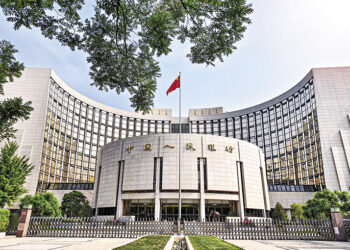
1. China – $39.44 Trillion
China maintains its position as the world’s largest economy by GDP (PPP), reflecting its rapid economic growth over the past few decades. The country has significantly diversified with emerging industries and technology sectors, solidifying its global economic influence.
2. United States – $30.34 Trillion
The US continues to be a dominant economic powerhouse, driven by a resilient technology sector, innovation, and a strong consumer market. Despite facing global uncertainties, its economic output remains robust.
3. India – $17.37 Trillion
India’s expanding middle class and booming technology industry have propelled its economy to third place. Investment in infrastructure and technology continues to fuel its rapid growth trajectory.
4. Russia – $7.13 Trillion
Russia’s economy remains largely driven by natural resources, particularly oil and gas, although recent diversification efforts have started to bear fruit.
5. Japan – $6.88 Trillion
Japan continues to be a vital player in manufacturing, technology, and export industries, maintaining its position among the world’s top economies.
6. Germany – $6.18 Trillion
Europe’s economic leader, Germany thrives on exports, especially in automotive, machinery, and chemical sectors, driving its steady GDP growth.
7. Indonesia – $4.98 Trillion
With a youthful population and increasing digital adoption, Indonesia is poised for sustained economic expansion in Southeast Asia.
8. Brazil – $4.89 Trillion
Brazil’s economy benefits from agriculture, mining, and energy sectors, although political challenges have periodically impacted growth.
9. France – $4.49 Trillion
A leader in fashion, luxury goods, and aerospace, France’s diversified economy remains resilient despite global shifts.
10. United Kingdom – $4.42 Trillion
Post-Brexit, the UK continues to adapt through innovation, finance, and technology industries, maintaining its global economic stature.
The Rest of the Top 20 Economies
11. Italy – $3.69 Trillion
Italy’s economy leans heavily on manufacturing, luxury goods, and tourism, holding its spot among the top European economies.
12. Turkey – $3.61 Trillion
Strategically positioned bridging Europe and Asia, Turkey’s dynamic economy benefits from diversified sectors like manufacturing, agriculture, and tourism.
13. Mexico – $3.41 Trillion
A manufacturing hub benefiting from US-Mexico trade agreements, Mexico’s economy is increasingly driven by industrial and services sectors.
14. South Korea – $3.39 Trillion
A global leader in technology and manufacturing, South Korea maintains its economic growth through innovation and export strength.
15. Spain – $2.77 Trillion
Spain’s tourism industry, renewable energy investments, and manufacturing contribute to its steady economic output.
16. Canada – $2.69 Trillion
Rich in natural resources, Canada’s economy is bolstered by resource extraction, financial services, and technology.
17. Egypt – $2.37 Trillion
As Africa’s largest economy, Egypt is experiencing growth in energy, construction, and tourism sectors.
18. Saudi Arabia – $2.25 Trillion
With its vast oil reserves, Saudi Arabia is diversifying through its Vision 2030 initiative to reduce dependency on oil exports.
19. Poland – $1.99 Trillion
An emerging market in Eastern Europe, Poland benefits from EU funding and a growing service sector.
20. Australia – $1.97 Trillion
Mining, agriculture, and services continue to drive Australia’s economic strength, particularly commodities exports.
Noteworthy Economies in Asia and Africa
21. Taiwan – $1.93 Trillion
A global semiconductor hub, Taiwan’s economy is anchored in high-tech manufacturing and exports.
22. Thailand – $1.86 Trillion
Skilled in tourism, agriculture, and automotive exports, Thailand remains a regional leader.
23. Vietnam – $1.81 Trillion
Vietnam’s manufacturing and export sectors have booming growth, driven by foreign investment and trade agreements.
24. Iran – $1.78 Trillion
Economic growth is being challenged by sanctions, but Iran remains a significant regional economy with rich natural resources.
25. Pakistan – $1.62 Trillion
Rapid urbanization and a burgeoning tech startup scene are fueling growth despite economic challenges.
African and Middle Eastern Economies
26. Nigeria – $1.56 Trillion
Africa’s largest economy, Nigeria benefits from oil exports and a growing tech scene amidst ongoing reforms.
27. Netherlands – $1.51 Trillion
A trade and logistics hub, the Netherlands excels in agriculture, shipping, and finance.
28. Philippines – $1.48 Trillion
Remittance-driven economy with expanding services and manufacturing sectors.
29. Bangladesh – $1.47 Trillion
Textile manufacturing and a large population provide a dynamic growth engine.
30. Argentina – $1.45 Trillion
Agriculture, energy, and a significant manufacturing base contribute to Argentina’s economic activity.
Emerging Markets and Resource-Rich Countries
31. Malaysia – $1.43 Trillion
Diverse economy with electronics, palm oil exports, and tourism.
32. Colombia – $1.13 Trillion
Mining, agriculture, and manufacturing are key sectors for Colombia’s steady growth.
33. South Africa – $1.03 Trillion
Mining and resource extraction fuels South Africa’s economy, though political reform is ongoing.
34. Romania – $940 Billion
A growing IT sector and EU integration are propelling Romania’s economy.
35. UAE – $908.9 Billion
Diversified by tourism, real estate, and finance sectors, Dubai remains a global business hub.
Leading Small Economies
36. Belgium – $889.8 Billion
A center for European trade and diplomatic activity, with strong chemical and logistics sectors.
37. Singapore – $880 Billion
Global finance, trade, and high-tech manufacturing keep Singapore competitive.
38. Switzerland – $878 Billion
Renowned for banking, pharmaceuticals, and precision manufacturing.
39. Algeria – $866.7 Billion
Predominantly driven by oil and natural gas, Algeria remains a key resource exporter.
40. Kazakhstan – $831 Billion
Rich in natural resources, Kazakhstan is developing its financial and manufacturing sectors.
Summary
The global economic landscape in 2025 showcases a mix of technological innovation, resource management, and geopolitical adaptability. While traditional powerhouses like the United States, China, and India continue to dominate, emerging markets in Asia, Africa, and South America are rapidly expanding their influence. Countries are increasingly investing in diversification strategies to ensure sustainable growth amidst changing global dynamics.
Source: International Monetary Fund (IMF)
All figures are estimates based on PPP calculations, reflecting purchasing power parity to provide a more accurate comparison of living standards and economic strength across nations.
 ChatGPT
 Perplexity
 Gemini AI
 Grok AI