Select Language:
The Most Influential Countries in 2025: A Closer Look
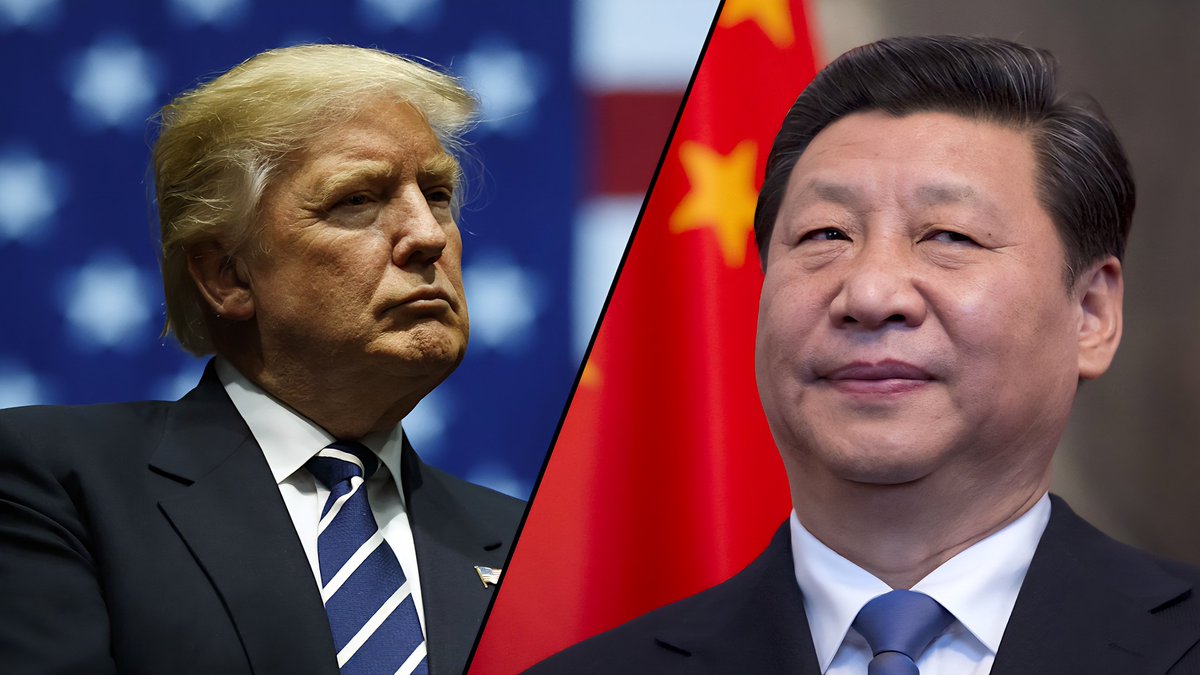
1. The United States Continues to Lead
The United States remains at the forefront of international influence, with its strong economy, technological innovation, cultural reach, and military strength shaping global dynamics. American companies dominate multiple sectors, and its leadership in innovation continues to influence worldwide trends.
2. China’s Rapid Global Expansion
China maintains its position as a pivotal world power, leveraging its economic growth, technological advancements, and expansive Belt and Road Initiative. Its influence extends across Asia, Africa, and parts of Europe, solidifying its role in global affairs.
3. The United Kingdom’s Strategic Position
Despite Brexit, the United Kingdom remains a key player, particularly in finance, diplomacy, and technology sectors. London continues to be a major international hub for finance and innovation.
4. Germany’s Economic Powerhouse
Germany’s robust manufacturing sector and technological infrastructure keep it a vital influencer in Europe and globally. Its leadership in automotive and industrial innovation positions it as a major driver of economic stability.
5. France’s Cultural and Political Influence
France boasts significant cultural power, coupled with its strategic diplomacy and influence within the European Union. Its leadership in art, cuisine, and international diplomacy keeps it relevant on the world stage.
6. Russia’s Geopolitical Impact
Russia continues to shape regional and global geopolitics through its military strength, energy resources, and strategic alliances. Its influence remains critical in Eurasian affairs and in global energy markets.
7. Japan’s Technological Leadership
Japan, a leader in robotics, electronics, and automotive industries, sustains its influence through innovation and strong international economic ties, especially within Asia-Pacific.
8. The UAE’s Economic Diversification
The United Arab Emirates, particularly Dubai and Abu Dhabi, have become influential financial and business hubs in the Middle East, investing heavily in technology, tourism, and renewable energy.
9. Saudi Arabia’s Strategic Role
Saudi Arabia commands influence through its control of energy markets and its efforts to diversify its economy, including major investments in tech and tourism sectors as part of Vision 2030.
10. Italy’s Cultural and Economic Influence
Italy’s rich history, arts, and fashion sectors continue to contribute to its global influence. Its resilient economy and strategic diplomatic relationships bolster its international standing.
11. Israel’s Innovation and Defense
Israel maintains influence through groundbreaking technological innovations, especially in cybersecurity, medicine, and defense industries, along with its strategic regional diplomacy.
12. India’s Rising Power
India’s expansive economy, booming technology sector, and youthful population make it a significant influencer in global geopolitics and economics, with its soft power rising steadily.
13. Spain’s Cultural Diplomacy
Spain leverages its vibrant culture, tourism, and active diplomatic outreach to maintain influence within Europe, Latin America, and beyond.
14. Canada’s Global Roles
Canada’s contributions in peacekeeping, environmental initiatives, and innovation in technology reinforce its status as an influential middle power.
15. Turkey’s Geopolitical Importance
Turkey’s strategic location and active regional diplomacy position it as a key influencer in Middle Eastern and Eurasian geopolitics.
16. South Korea’s Technological Excellence
South Korea’s advancements in electronics, entertainment, and automotive industries bolster its capability to shape regional and global trends.
17. Australia’s Regional Leadership
Australia’s stable economy, natural resources, and strategic alliances with the U.S. and Asia underpin its influential status in the South Pacific and beyond.
18. Switzerland’s Neutral Power
Switzerland’s financial services, diplomacy, and innovation in pharmaceuticals and precision engineering maintain its quiet yet influential role globally.
19. Egypt’s Strategic Position
Egypt’s control over the Suez Canal and regional diplomacy continues to give it significant influence within Africa and the Middle East.
20. Brazil’s Economic and Cultural Reach
Brazil’s large economy and vibrant culture play a pivotal role in Latin America and increasingly in global climate and environmental initiatives.
21. Greece’s Historic and Modern Influence
Greece’s historical significance and strategic alliances modernize its influence, especially in European politics and Mediterranean affairs.
22. Qatar’s Diplomatic Prowess
Qatar uses its wealth and diplomatic agility to influence international diplomacy and regional stability, especially in the Gulf.
23. Mexico’s Economic Growth
Mexico’s proximity to the U.S. and its expanding manufacturing and technology sectors make it an influential player in North America.
24. The Netherlands’ Innovation
The Netherlands’s leadership in sustainability, agriculture, and innovation sustains its influence within Europe and globally.
25. Sweden’s Global Leadership
Sweden’s social policies, technological innovations, and focus on sustainability keep it influential within Europe and in global environmental discussions.
26. Denmark’s Sustainability Focus
Denmark’s leadership in renewable energy and urban innovation bolsters its influence in global sustainability efforts.
27. Portugal’s International Engagement
Portugal’s growing tourism industry and strategic partnerships keep it relevant on the world stage amid regional stability.
28. South Africa’s Regional Influence
South Africa continues to be a driving force in African politics, economics, and regional security initiatives.
29. Belgium’s Diplomatic Hub
Belgium acts as a diplomatic nexus, hosting international organizations like the EU and NATO, reinforcing its influence in global politics.
30. Iran’s Regional Role
Iran remains a key regional actor through its energy reserves, political influence, and strategic alliances in the Middle East.
The landscape of global influence continues to evolve as nations innovate, strategize, and forge new alliances. In 2025, these countries demonstrate resilience and adaptability, shaping the future world order.
Source: U.S. News & World Report
 ChatGPT
 Perplexity
 Gemini AI
 Grok AI