Select Language:
2025’s Smartest Cities in the World: A Deep Dive into Innovation and Livability
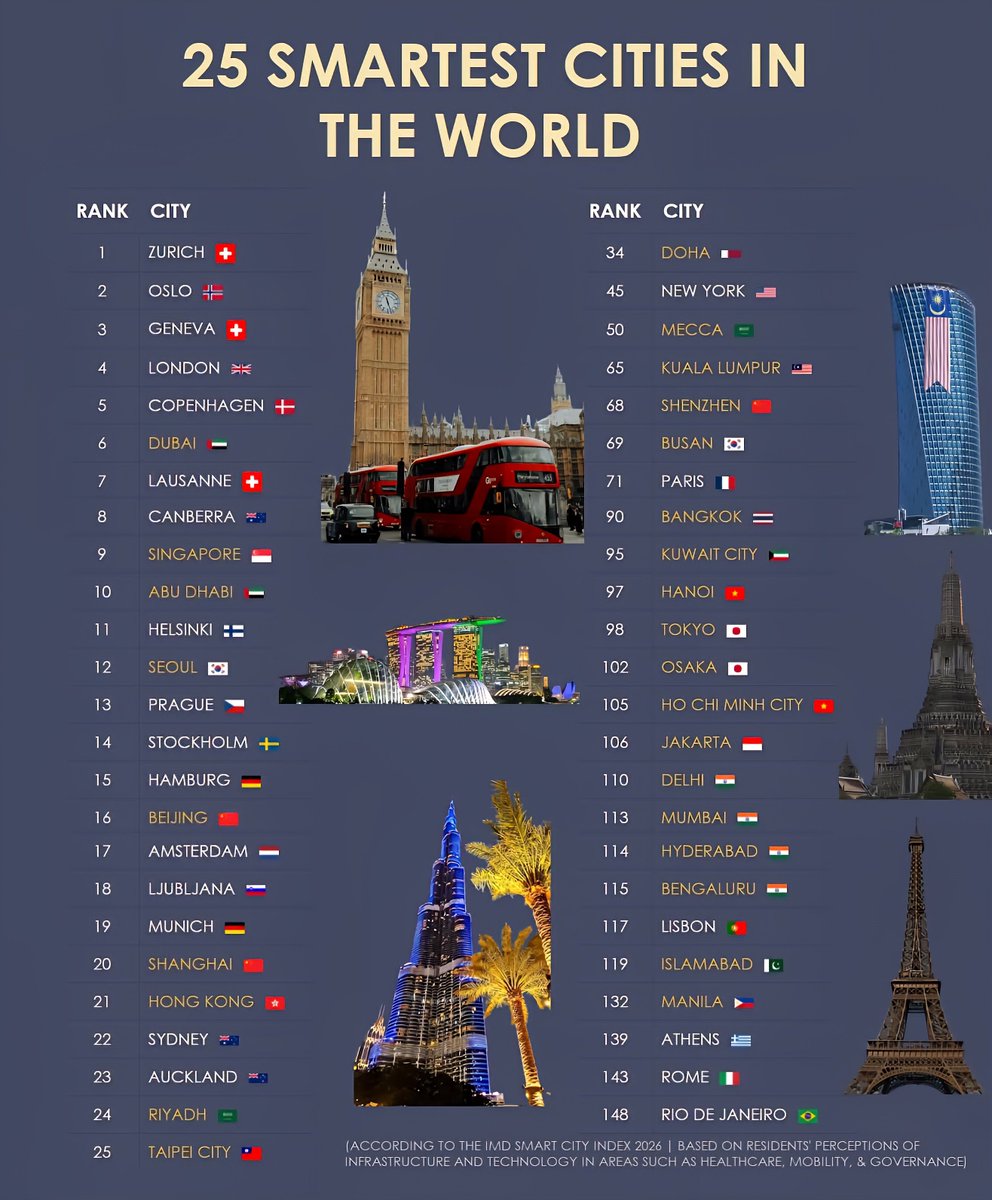
- Zurich, Switzerland: Leading the Pack in Smart Infrastructure
Zurich continues to dominate as the smartest city globally, thanks to its cutting-edge infrastructure and commitment to sustainable living. Residents praise its seamless healthcare services, efficient public transportation, and smart governance systems that make everyday life easier.
- Oslo, Norway: Environmentally Smart and Tech-Forward
Known for its robust technology integration, Oslo has placed a strong emphasis on green initiatives. Citizens benefit from innovative mobility options, including electric buses and bike-sharing programs, along with a healthcare system that leverages AI technology to enhance patient care.
- Geneva, Switzerland: International Hub for Smart Governance
Geneva stands out for its transparency and citizen-centric governance. Its digital platforms enable residents to participate actively in decision-making, which has improved overall satisfaction with public services and infrastructure.
- London, United Kingdom: A Global Tech Ecosystem
London’s status as a tech powerhouse is reflected in its urban planning and healthcare innovations. The city boasts impressive mobility solutions, smart street lighting, and a responsive governance framework, making it highly livable for its diverse population.
- Copenhagen, Denmark: Bicycle-Friendly Smart City
Copenhagen’s commitment to sustainability and innovation is evident in its extensive cycling infrastructure and smart traffic management systems. Residents enjoy reduced commute times, cleaner air, and improved public health.
- Dubai, United Arab Emirates: The Future of Urban Tech
Dubai’s futuristic skyline isn’t just for show. Its smart city initiatives include driverless transportation, IoT-enabled buildings, and AI-powered public services—all designed to enhance urban living and attract global talent.
- Lausanne, Switzerland: Innovation in Education and Healthcare
Lausanne integrates smart technology into its educational and healthcare institutions. The city’s residents report high satisfaction with its health monitoring systems and smart learning environments that foster knowledge growth.
- Canberra, Australia: A Model of Smart Governance
Australia’s capital utilizes an interconnected digital ecosystem, making government processes more accessible and efficient. Residents appreciate the transparency and ease of access to city services.
- Singapore, Singapore: The Leadership in Smart Mobility
Singapore exemplifies smart urban mobility through its autonomous vehicles and real-time traffic management. Its highly effective infrastructure reduces congestion and pollution, greatly improving quality of life.
- Abu Dhabi, United Arab Emirates: A Beacon in Smart Healthcare
Abu Dhabi combines AI and IoT solutions in healthcare, resulting in faster diagnoses and personalized treatments. Citizens enjoy state-of-the-art medical services driven by innovative technology.
- Helsinki, Finland: Focused on Digital Inclusivity
Helsinki’s investments in digital literacy and inclusive tech policies ensure all residents benefit from its smart city features, including accessible healthcare and transparent governance platforms.
- Seoul, South Korea: Advanced Urban Tech
Seoul’s deployment of 5G-enabled infrastructure supports its vibrant tech scene, providing residents with fast internet, efficient public transit, and smart waste management systems.
- Prague, Czech Republic: Cultural Heritage Meets Smart Tech
Balancing tradition with innovation, Prague has integrated smart solutions into its historic districts, including digital tourism guides and energy-efficient buildings, enriching both residents and visitors.
- Stockholm, Sweden: Sustainable Smart City
Stockholm’s focus on sustainability manifests in clean energy integration, smart grid systems, and EV incentives—making it a model of green urban development.
- Hamburg, Germany: Innovation in Logistics and Transport
Hamburg leverages IoT and AI for smarter logistics, reducing congestion and emissions. Residents have benefited from improved public transport and smart traffic controls.
- Beijing, China: Rapid Technological Adaptation
Beijing has prioritized smart healthcare and governance, deploying AI for public safety, traffic management, and healthcare data analysis, contributing to its high perception of smart living.
- Amsterdam, Netherlands: Pioneering Smart Mobility
Known for its bicycle-centric culture, Amsterdam combines this with smart traffic systems and e-mobility options, fostering a cleaner, more efficient city.
- Ljubljana, Slovenia: Small City, Big Innovations
Ljubljana’s clever use of digital platforms for public participation and IoT for city management illustrates that small cities can lead in innovation.
- Munich, Germany: Industry 4.0 in Urban Settings
Munich’s integration of Industry 4.0 principles extends into urban development, with smart manufacturing, public Wi-Fi, and innovative healthcare implementations.
- Shanghai, China: A Megacity with Smart Ambitions
Shanghai’s expansive digital infrastructure supports its bustling economy through smart transportation management, IoT-enabled public services, and AI-driven healthcare.
- Hong Kong: Smart Urban Health and Commerce
Hong Kong integrates technology into healthcare and financial services, providing residents with rapid access to information and streamlined healthcare.
- Sydney, Australia: Balancing Nature and Technology
Sydney’s smart city projects include environmental monitoring, smart water management systems, and accessible healthcare, maintaining its reputation as a livable city.
- Auckland, New Zealand: Tech for a Sustainable Future
Auckland invests in smart energy and transportation systems, making progress in reducing its carbon footprint and enhancing residents’ well-being.
- Riyadh, Saudi Arabia: Modern Infrastructure Push
Riyadh’s smart initiatives focus on IoT cities, AI governance, and healthcare innovations, transforming it into a leading Middle Eastern tech hub.
- Taipei City, Taiwan: Smart Transportation and Healthcare
Taipei leverages its technological prowess to improve traffic flow and medical systems, greatly elevating the quality of urban life.
In 2025, the IMD Smart City Index highlights how residents’ perceptions of infrastructure, healthcare, mobility, and governance are shaping the future of urban environments worldwide. The trend underscores that cities investing in innovative technologies can boost quality of life, sustainability, and economic growth—key factors in attracting residents and businesses alike.
Note: Rankings are based on residents’ experiences and their views on city services, infrastructure, and digital inclusion, reflecting an ever-evolving landscape of smart urban development.
 ChatGPT
 Perplexity
 Gemini AI
 Grok AI