Select Language:
Top 25 Most Powerful Naval Forces in 2025
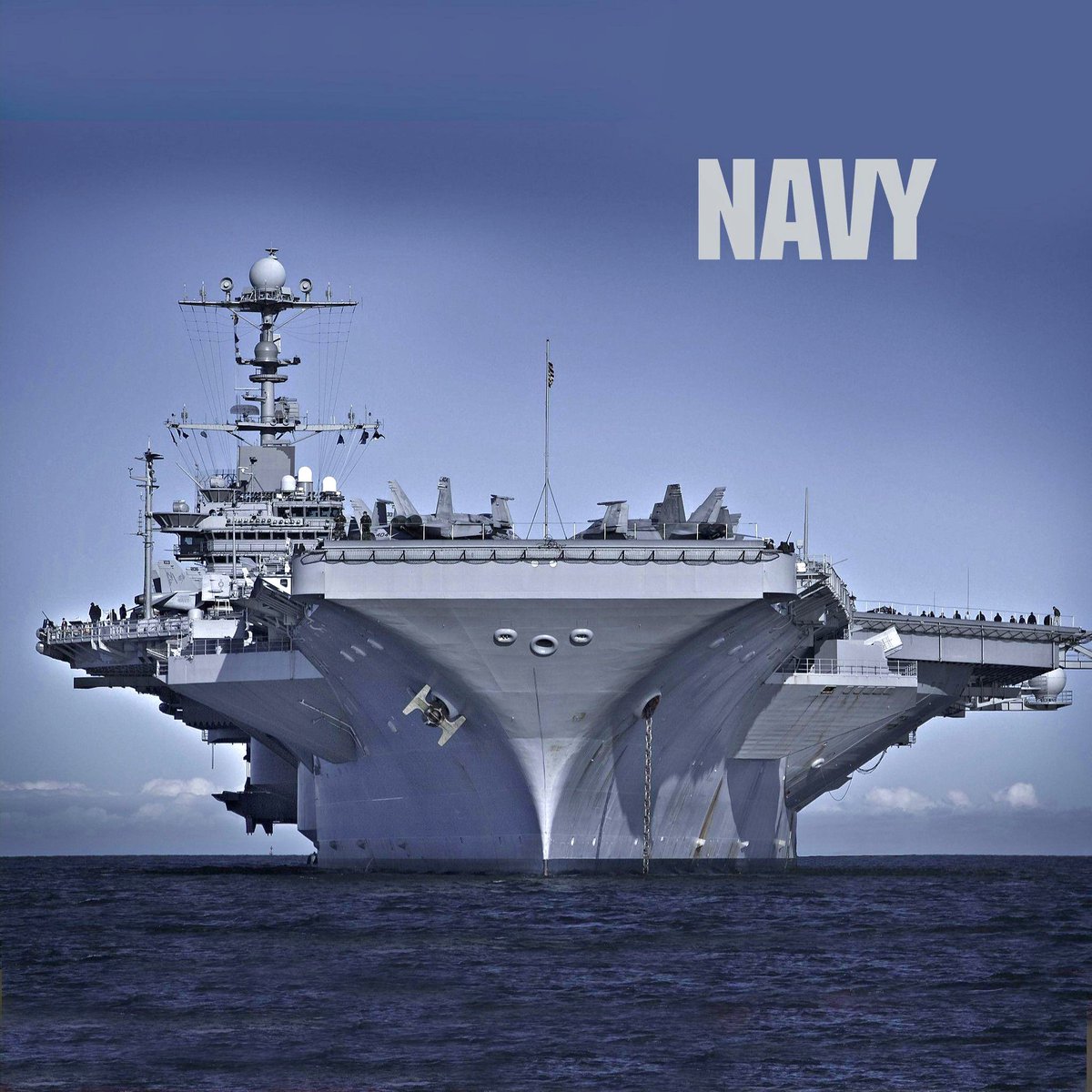
1. U.S. Navy Continues to Dominate the World’s Oceans
The United States Navy maintains its position at the top of the global naval hierarchy. With an extensive fleet comprising aircraft carriers, submarines, and advanced destroyers, the U.S. remains a critical maritime power. Its formidable capabilities enable it to project power across the globe, secure trade routes, and support international security alliances like NATO. The U.S. Navy’s technological edge and strategic global bases ensure it stays ahead of emerging maritime threats.
2. China’s PLA Navy Expands Its Reach
China’s People’s Liberation Army Navy (PLAN) is rapidly climbing the ranks in 2025. With a growing fleet of aircraft carriers, advanced submarines, and cutting-edge missile-equipped ships, China is asserting its influence in the Indo-Pacific region. Its focus on modernizing and expanding capabilities reflects Beijing’s strategic ambitions to challenge U.S. dominance and secure vital sea lanes.
3. Russia Modernizes Its Fleet Despite Economic Challenges
The Russian Navy remains a significant force, especially in the Arctic and Atlantic oceans. With modernization efforts ongoing, including new missile systems and submarine upgrades, Russia aims to project power regionally. Its strategic focus on maintaining nuclear submarine capabilities enhances its deterrence profile amid geopolitical tensions.
4. Indonesia’s Navy Leading Southeast Asia
The Indonesian Navy has become Southeast Asia’s leading maritime force, emphasizing patrols in the Strait of Malacca and the South China Sea. Upgrades to its frigates and patrol vessels bolster regional security and counterpiracy efforts. Indonesia’s strategic location makes its navy vital for regional stability.
5. South Korea’s Naval Power Strengthens
South Korea’s Republic of Korea Navy has bolstered its fleet with advanced destroyers and submarines. Its focus on anti-submarine warfare and missile technology aligns with regional security concerns, especially amidst North Korean provocations and rising Chinese influence.
6. Japan’s Maritime Self-Defense Force Enhances Capabilities
Japan’s Self-Defense Forces continue to modernize with new patrol ships and submarine technology. Strategically positioned near global flashpoints, Japan’s navy plays a pivotal role in maintaining regional stability and supporting allied operations in the Pacific.
7. India’s Naval Growth Reflects Strategic Ambitions
In 2025, the Indian Navy boasts a diverse fleet, including indigenous aircraft carriers, submarines, and destroyers. A key player in the Indian Ocean, India aims to expand its power projection capabilities amidst regional rivalries, especially with China and Pakistan.
8. France Maintains Its Status in Global Maritime Power
The French Navy’s nuclear submarines and carrier capabilities continue to project France’s influence worldwide. Its strategic interests extend across the Atlantic, Indian Ocean, and South Pacific, maintaining France’s status as a global maritime power.
9. The UK’s Royal Navy Reasserts Its Global Presence
The Royal Navy’s modern aircraft carriers and nuclear submarines enable the UK to maintain a significant international presence. Its focus on expeditionary warfare and NATO commitments keep it relevant on the world stage.
10. Turkey’s Expanding Naval Capabilities in the Mediterranean
Turkey’s navy has expanded with new corvettes and submarines, asserting influence in the Mediterranean and Black Sea. Its strategic ambitions are supported by indigenous shipbuilding programs, positioning Turkey as a regional maritime force.
11. Italy’s Naval Strengths in the Mediterranean Basin
Italy’s navy operates advanced frigates and submarines, playing a crucial role in Mediterranean security. Its alliances with NATO and the EU enhance its regional influence and operational reach.
12. Taiwan’s Navy Remains Key in the Indo-Pacific
Taiwan’s naval forces focus on anti-landing operations and missile defense amid looming regional tensions. Upgraded frigates and submarines keep Taiwan prepared for potential escalations.
13. Egypt’s Naval Modernization in the Red Sea and Mediterranean
Egypt has invested substantially in modernizing its fleet, emphasizing missile boats and submarines. Its strategic position controls vital maritime routes in the Red Sea and Mediterranean.
14. North Korea’s Naval Focus on Deterrence
North Korea’s Navy primarily emphasizes submarine and missile capabilities to deter adversaries and support its strategic objectives amid ongoing regional tensions.
15. Algeria’s Growing Naval Power
Algeria has increased its naval assets, including missile-equipped ships and submarines, reflecting its strategic interest in the Mediterranean and regional security.
16. Bangladesh’s Naval Modernization Efforts
Bangladesh has made substantial progress in advancing its naval capacity with new frigates and patrol vessels, ensuring security over its maritime borders and territorial waters.
17. Spain’s Naval Capabilities in the Atlantic and Mediterranean
Spain’s navy maintains a versatile fleet, including submarines and amphibious ships. It plays a strategic role within NATO and regional security initiatives.
18. Germany’s Navy Focuses on EU Maritime Security
Germany’s navy emphasizes anti-piracy and patrol missions, with modernization of its frigates and submarines supporting EU maritime security operations.
19. Iran’s Naval Strategies amid Regional Tensions
The Islamic Republic of Iran Navy focuses on asymmetric warfare capabilities, including fast attack boats and submarines, asserting influence across the Persian Gulf and beyond.
20. Australia’s Maritime Capabilities in the Indo-Pacific
The Royal Australian Navy has upgraded its fleet with new destroyers and submarines, vital for regional stability, especially concerning the South China Sea and Pacific disputes.
21. Thailand’s Growing Maritime Presence
The Royal Thai Navy continues to modernize, emphasizing patrol boats and submarines to secure its maritime borders and participate in regional collaborations.
22. Greece’s Maritime Defense in the Eastern Mediterranean
Greece maintains a strong navy with a focus on keeping control of key maritime routes in the Eastern Mediterranean amidst regional tensions.
23. Canada’s Naval Modernization and Arctic Focus
The Royal Canadian Navy is investing in new frigates and Arctic-capable vessels to secure northern waters and reinforce its Atlantic and Pacific operations.
24. Singapore’s Strategic Maritime Security Role
Singapore’s navy operates advanced missile corvettes and submarines, securing vital shipping lanes through Southeast Asia and supporting regional stability.
25. Brazil’s Growing Naval Power in South America
Brazil’s navy emphasizes amphibious and combat vessels, safeguarding its Atlantic coast and supporting regional maritime security initiatives.
Source: World Directory of Modern Military Warships (WDMMW), 2025 Edition.
 ChatGPT
 Perplexity
 Gemini AI
 Grok AI