Select Language:
Top 25 Countries with the Shortest Lifespans in 2025
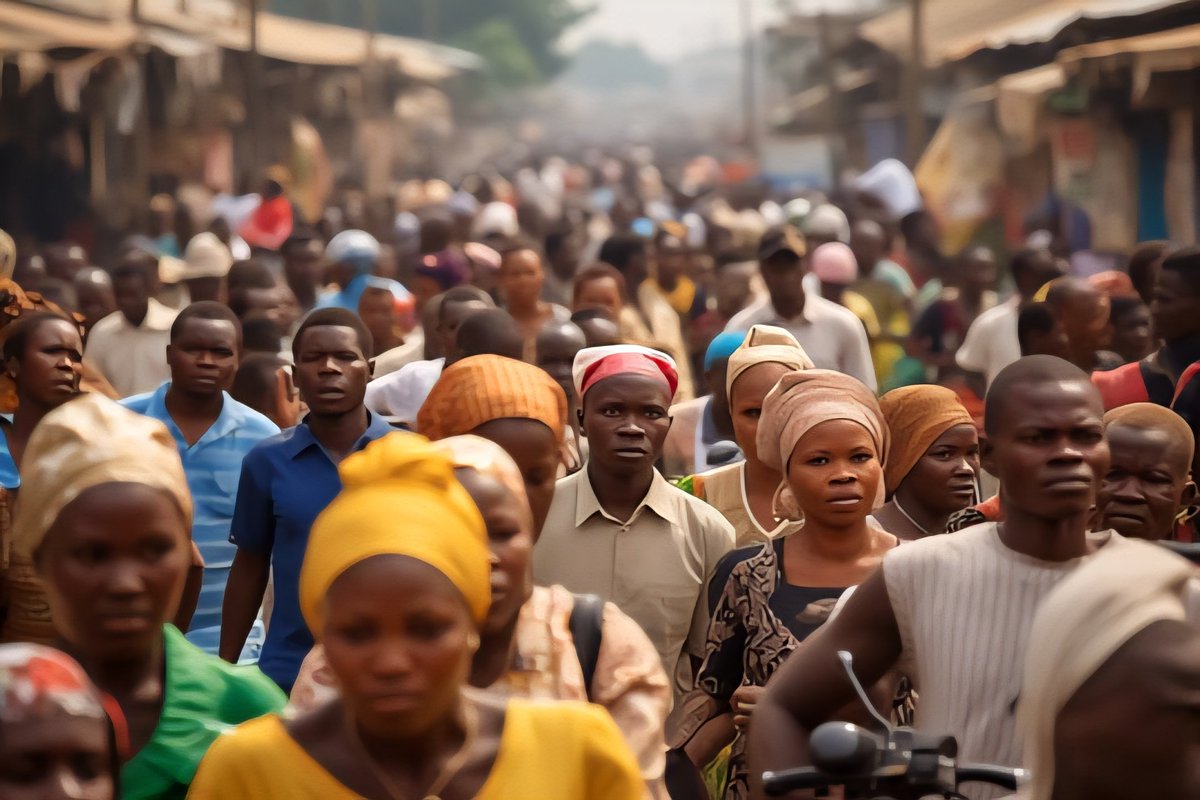
The global landscape of life expectancy continues to be uneven, with certain nations facing significant challenges that impact the longevity of their populations. As of 2025, a new analysis based on the United Nations World Population Prospects highlights the 25 countries where residents typically have the shortest average lifespans. The reasons behind these figures are complex, often rooted in a mix of health, economic, and social factors.
Nigeria Tops the List with the Shortest Average Lifespan
Nigeria, Africa’s most populous nation, ranks lowest worldwide with an average life expectancy of just 54.6 years. Both men and women in Nigeria face significant health and economic hurdles, impacting their longevity. The country’s high rates of infectious diseases, limited access to quality healthcare, and ongoing socio-political challenges contribute heavily to this low figure.
Chad and South Sudan Struggling with Critical Health Challenges
Chad, holding the second position, has an average lifespan of 55.2 years. Men and women in Chad live notably shorter lives, with averages of 53.4 and 57.2 years, respectively. Similarly, South Sudan, plagued by conflict and health crises, has an average life expectancy of 57.7 years, with women generally living longer than men in these nations. Both countries are battling high maternal mortality rates, malnutrition, and limited healthcare infrastructure.
Central African Republic, Lesotho, and Somalia Face Persistent Obstacles
The Central African Republic and Lesotho are close behind, with averages of 57.7 and 57.8 years, respectively. Somalia, ravaged by years of conflict and drought, has a life expectancy of 59.0 years. These nations face ongoing struggles with infectious diseases, limited access to clean water, and underfunded health systems. Women tend to outlive men slightly, but overall, the lifespan remains alarmingly low.
Mali, Guinea, and Benin: Challenges of Disease and Poverty
In West Africa, Mali (60.7 years), Guinea (60.9 years), and Benin (61.0 years) record some of the lowest life expectancies. High rates of malaria, tuberculosis, and HIV/AIDS, coupled with poverty and low healthcare access, are primary contributors.
Burkina Faso, Niger, and Sierra Leone: Facing Similar Struggles
Burkina Faso and Niger sit at approximately 61.3 and 61.4 years, respectively. Sierra Leone’s population has an average lifespan of 62.0 years, impacted by the aftermath of civil war, health crises, and economic struggles. The continent continues to grapple with preventing infectious diseases and improving maternal health.
The Influence of Socioeconomic and Healthcare Factors
Looking at the broader picture, these lower life expectancies underscore issues like inadequate healthcare infrastructure, high infectious disease burdens, malnutrition, and ongoing conflicts. Many of these countries lack sufficient medical facilities, and healthcare funding remains limited, leading to preventable deaths and reduced lifespans.
Female Longevity Slightly Outpaces Male in These Countries
Across these nations, females tend to live a few years longer than males, which aligns with global trends but is often more pronounced here due to higher male mortality rates caused by violence, accidents, and occupational hazards.
Challenges and the Path Forward
Bridging the life expectancy gap requires targeted initiatives — improving healthcare infrastructure, addressing social determinants of health, and combating infectious diseases. International support and sustainable development are crucial to help these nations improve the quality of life for their populations.
While these figures paint a stark reality, they also serve as a call to action for policymakers, health agencies, and the global community to prioritize health and social reforms in these nations.
Countries with the Lowest Life Expectancy in 2025 – Quick Facts Table:
| Rank | Country | Overall Life Expectancy | Male | Female |
|---|---|---|---|---|
| 1 | Nigeria | 54.6 | 54.3 | 54.9 |
| 2 | Chad | 55.2 | 53.4 | 57.2 |
| 3 | South Sudan | 57.7 | 54.8 | 60.8 |
| 4 | Central African Republic | 57.7 | 55.5 | 59.6 |
| 5 | Lesotho | 57.8 | 55.5 | 60.4 |
This list continues, highlighting the ongoing health crises faced by nations across Africa and parts of Asia.
The data is sourced from the UN World Population Prospects, 2025.
 ChatGPT
 Perplexity
 Gemini AI
 Grok AI