Select Language:
Top 25 Cities with the Lowest Quality of Life in 2026
Lagos, Nigeria
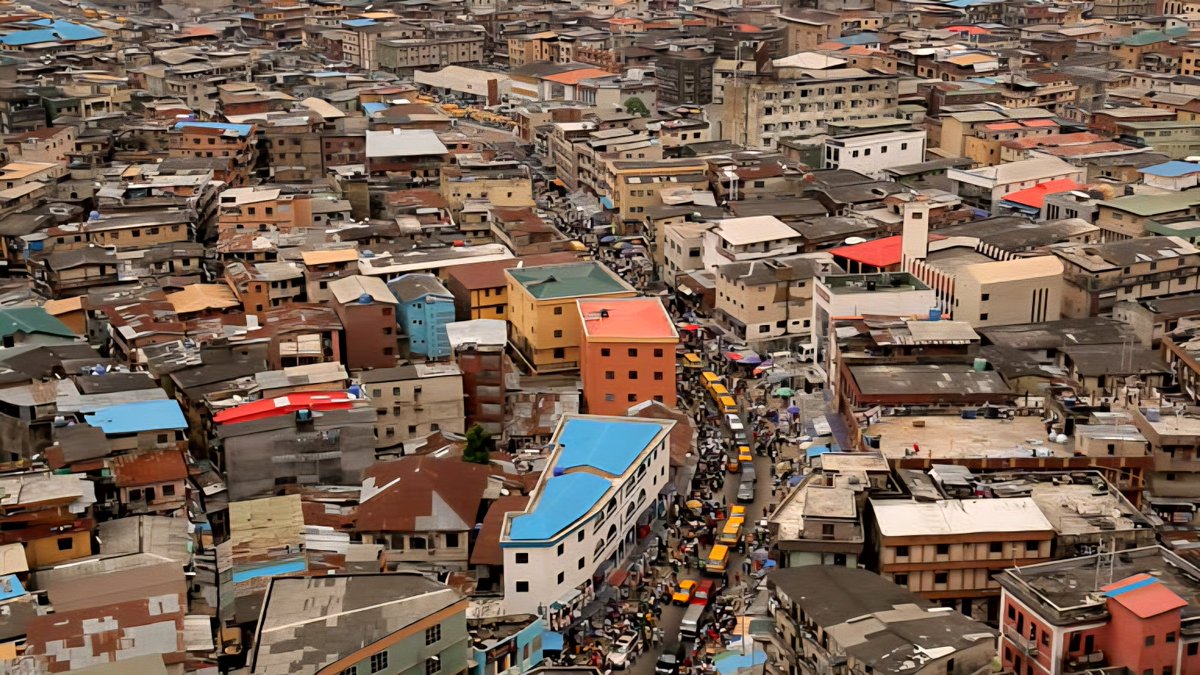
Lagos has consistently ranked among the cities struggling with a deteriorating quality of life. Known for its rapid urbanization, residents often face challenges such as significant traffic congestion, inadequate public services, and frequent power outages. Security concerns also remain prevalent, impacting daily life and economic stability. The cost of living in Lagos is high relative to income levels, making affordability a pressing issue for many families. Despite its vibrant culture and economic opportunities, Lagos’s infrastructure struggles to keep pace with its growth, contributing to its ranking as one of the least livable cities globally.
Manila, Philippines
Residents of Manila face numerous challenges that impact their overall well-being. The city endures chronic traffic jams, flooding during monsoon seasons, and insufficient healthcare facilities. Air pollution levels are alarmingly high, impacting community health. Additionally, housing remains a major issue, with many living in informal settlements under substandard conditions. The cost of living fluctuates, often making essentials hard to afford for lower-income families. While Manila is rich in cultural history and natural beauty, its urban infrastructure limitations have placed it near the bottom in recent global quality of life rankings.
Colombo, Sri Lanka
Despite its tropical charm, Colombo struggles with a decade-long economic crisis and political instability. Frequent power outages and shortages of basic supplies have become commonplace, affecting both everyday routines and the business environment. Healthcare services are stretched thin, and traffic congestion hampers mobility. The city’s aging infrastructure struggles to support its growing population, rendering its quality of life below global standards. Economic and health crises have considerably impacted residents’ daily safety and comfort.
Dhaka, Bangladesh
Dhaka has long been plagued by severe pollution, poor sanitation, and traffic congestion. Many residents face daily challenges accessing reliable clean water and healthcare. The city’s rapid population growth exacerbates infrastructural deficiencies, leading to overburdened public services. Poverty remains widespread, and many live in informal settlements with minimal access to essential amenities. Despite its vibrant culture and economic potential, Dhaka’s urban environment makes it one of the least livable cities globally.
Tehran, Iran
Political sanctions, economic decline, and infrastructural decay define Tehran’s recent struggles. Quality healthcare and affordable housing are scarce, and air pollution reaches hazardous levels during winter months. Water scarcity and inconsistent energy supplies further impair daily life. Despite Tehran’s cultural richness, its residents contend with economic hardships, restricted mobility, and safety concerns, depressing overall life satisfaction.
Cebu, Philippines
Often overshadowed by Manila, Cebu faces similar urban challenges. Overpopulation leads to congested roads and strained public services. Healthcare facilities are often overwhelmed, and environmental degradation such as water pollution threatens residents’ health. Inadequate waste management and transportation infrastructure hinder development prospects, contributing to Cebu’s low quality of life score.
Kathmandu, Nepal
Set amid impressive mountain scenery, Kathmandu’s urban infrastructure struggles amid a rapidly growing population. Persistent air pollution, inadequate sanitation, and frequent power outages hinder daily activities. Earthquake vulnerability and limited healthcare access pose ongoing risks for residents. The city’s economic opportunities are hindered by these infrastructural deficiencies, dampening overall well-being.
Jakarta, Indonesia
Jakarta’s frequent flooding, traffic jams, and air pollution significantly impact residents’ safety and health. An overburdened public transport system and inadequate waste disposal exacerbate urban living conditions. Rising sea levels threaten future stability, and affordability issues persist among lower-income groups. Despite its economic importance, Jakarta’s infrastructure deficits keep it ranked low on quality of life metrics.
Ho Chi Minh City, Vietnam
While booming economically, Ho Chi Minh City faces challenges relating to traffic congestion, pollution, and urban sprawl. Healthcare facilities often work beyond capacity, and affordable housing remains elusive for many. Environmental challenges, especially flooding and water pollution, threaten residents’ safety and comfort. These ongoing issues place Ho Chi Minh City among the bottom tier of livability rankings.
Cairo, Egypt
Cairo remains entrenched with pollution, traffic chaos, and inadequate public services. Water shortages and unreliable electricity further complicate residents’ daily routines. Socioeconomic disparities mean many live in informal neighborhoods with limited access to education and healthcare. Political instability and security concerns have also contributed to its low ranking as one of the least livable cities.
Note: The upcoming years see cities facing unprecedented urban challenges, reflecting a critical need for infrastructural development, policy reform, and sustainable growth approaches to improve residents’ quality of life.
Source: Numbeo Quality of Life Index 2026 — Data aggregated from crowdsourced user perceptions across the globe.
 ChatGPT
 Perplexity
 Gemini AI
 Grok AI