Select Language:
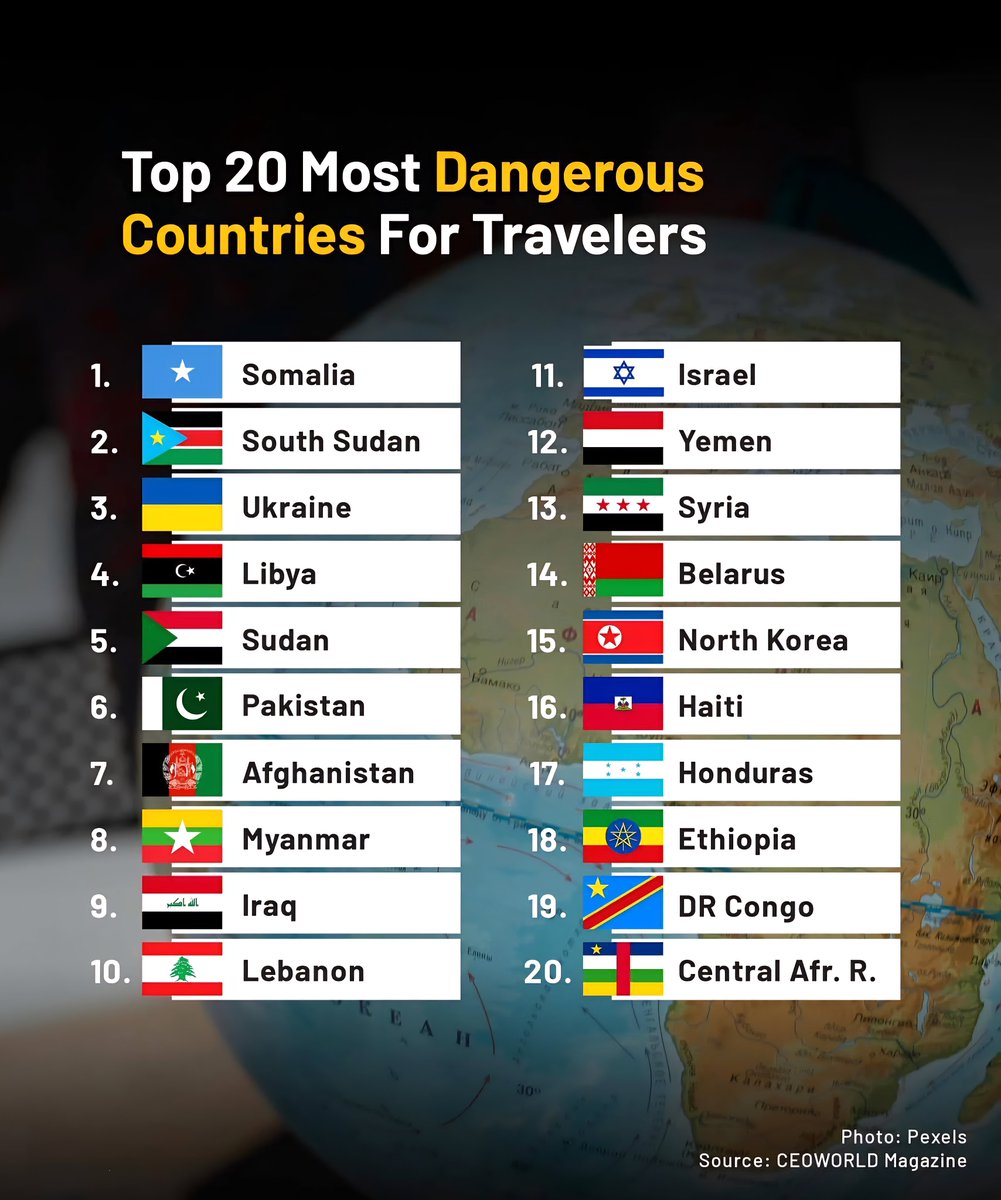
1. Somalia: A Land of Ongoing Conflict
Somalia remains one of the most perilous destinations for travelers due to ongoing armed conflicts, piracy, and unstable governance. Despite its stunning coastal landscapes and rich cultural history, safety concerns have kept many tourists at bay. Kidnap-for-ransom operations and militant activity make Somalia exceedingly risky for tourists without extensive security arrangements.
2. South Sudan: Political Turmoil and Violence
South Sudan continues to suffer from internal conflict, resulting in widespread violence and displacement. The fragile peace process has yet to fully stabilize the nation, which is plagued with armed clashes, ethnic tensions, and economic instability. Travelers should exercise extreme caution if venturing into this fragile nation.
3. Ukraine: War Zones and Unrest
Following ongoing conflict with Russia, Ukraine remains a dangerous place for travelers, especially in eastern regions. Hostilities, missile strikes, and military operations have persisted since 2022, making sizable areas unsafe. While some western regions are relatively stable, travelers should remain vigilant and stay updated on local security advisories.
4. Libya: Post-Conflict Instability
Despite some improvements in stability, Libya faces ongoing political divisions and sporadic violence. Armed groups control various parts of the country, and the risk of kidnapping and violence remains high. Essential infrastructure and security services are often compromised, making Libya a high-risk destination.
5. Sudan: Political Unrest and Violence
Sudan is still grappling with political unrest, protests, and violence following recent coups. The security situation remains unpredictable, with the risk of clashes, civil unrest, and humanitarian crises. Travelers are advised to avoid non-essential travel to the region.
6. Pakistan: Security Concerns and Terrorist Threats
While Pakistan offers diverse landscapes and historical sites, security threats, including terrorism, kidnapping, and regional conflicts, persist in various areas. Travelers should avoid border regions with Afghanistan and be wary of unpredictable security conditions elsewhere.
7. Afghanistan: Extremism and Instability
Despite some pockets of improvement, Afghanistan remains a highly volatile country characterized by ongoing insurgent attacks, terrorism, and political instability. Travel is extremely risky, especially in remote or conflict-prone regions, and many countries advise against all travel to Afghanistan.
8. Myanmar: Ethnic Conflicts and Political Crisis
Since the 2021 military coup, Myanmar has experienced widespread protests, civil unrest, and ethnic conflicts. Armed clashes between government forces and insurgent groups pose significant threats to travelers. Visiting Myanmar requires careful assessment of current security conditions.
9. Iraq: Security Threats and Violence
Despite improvements in some areas, Iraq continues to face threats from insurgent groups, bombings, and sectarian violence. Major cities like Baghdad and Basra are generally safer than rural conflict zones, but travelers must stay updated and exercise caution.
10. Lebanon: Economic Crisis and Political Instability
Lebanon’s ongoing economic collapse, political unrest, and security issues contribute to its high risk for travelers. Incidents of violence and protests can erupt suddenly, and the country’s infrastructure is severely strained.
11. Palestine: Uncertain Security Environment
Travelers to Palestine face concerns related to ongoing tensions, disputes, and occasional violence in the region. While parts like Bethlehem and Jerusalem attract visitors, risks remain, especially near conflict zones.
12. Yemen: Humanitarian Crisis and Ongoing Violence
Yemen’s long-standing civil war has resulted in a severe humanitarian crisis. Humanitarian agencies warn against all travel due to ongoing violence, disease outbreaks, and security risks across the country.
13. Syria: War and Humanitarian Challenges
The Syrian civil war has devastated the country’s infrastructure, and parts remain dangerous due to active conflict and insurgent activity. While some tourist sites are reopening, travel advisories remain highly restrictive.
14. Belarus: Political Unrest and Potential Risks
Following political upheavals in recent years, Belarus has experienced protests and government crackdowns. Travelers should be cautious and stay informed about local political developments before planning visits.
15. North Korea: Strict Regulations and Unpredictable Risks
North Korea’s strict government policies and unpredictable regime actions make it a highly dangerous destination. Travelers risk arrest or detention for actions deemed normal elsewhere, and diplomatic tensions escalate concerns.
16. Haiti: Political Instability and Crime
Haiti faces constant political unrest, gang violence, and economic hardship, making it unsafe for travelers. Kidnappings and violent crimes are prevalent, and the infrastructure is fragile.
17. Honduras: Crime and Violence
Honduras is notorious for its high crime rates, including gang violence and armed robberies. Travelers should exercise high caution and avoid certain regions altogether to ensure safety.
18. Ethiopia: Political Tensions and Conflict
Recent political unrest and armed conflicts in Ethiopia, particularly in Tigray, pose significant risks to outsiders. Humanitarian crises and displacement complicate travel safety for visitors.
19. Democratic Republic of the Congo: Ongoing Conflict
The DR Congo’s ongoing conflict and instability threaten travelers with violence, armed clashes, and health risks. Safety precautions are essential, and international advisories are strongly recommended.
20. Central African Republic: Instability and Violence
The Central African Republic struggles with armed insurgencies, political instability, and weak security infrastructure. Travelers are advised to avoid non-essential visits due to high safety risks.
Source: CEOWORLD Magazine, 2025
 ChatGPT
 Perplexity
 Gemini AI
 Grok AI