Select Language:

Top 100 Countries by Average IQ in 2026: A Deep Dive into Global Intelligence
South Korea Tops the List with the Highest Average IQ
South Korea continues its reign as the nation with the highest average IQ, boasting an impressive score of 106.97. The country’s emphasis on education and technological advancement has evidently contributed to its top-ranking position this year. Coming in a close second is China, with an average IQ of 106.48, reaffirming its status as a powerhouse of innovation and education.
Japan and Iran Close Behind
Japan ranks third, with an average IQ of 106.3, maintaining its reputation for a highly educated population. Iran, with a score of 104.8, marks a significant leap in the Middle East, reflecting improvements in education systems and access.
Australia and Russia Make Notable Gains
Australia holds the fifth position with an average IQ of 104.45. Russia also demonstrates notable progress, ranking sixth at 103.78, showcasing the country’s investments in science and technological education.
Singapore and Mongolia Showcase Regional Strength
Singapore, known for its rigorous education system, maintains its position at seventh with a 103.56 average IQ. Mongolia, rising in recognition, is eighth at 102.61, highlighting growth in educational infrastructure in Central Asia.
New Zealand and Vietnam Represent the Pacific Region
New Zealand and Vietnam are ninth and tenth, with average IQ scores of 102.35 and 102.26, respectively. Both countries have invested heavily in education, which seems to be paying off.
European Countries Continue To Prosper
Spain (102.24), Cyprus (102.12), and Canada (102.09) reflect the continent’s robust educational standards. The United Kingdom also maintains a strong score at 101.57.
North America and the Balkans
The U.S. Average IQ remains steady at 101.04, while Albania stands at 101, indicating continued educational advancements. Belarus and Slovenia follow closely behind.
Eastern European and Caucasus Nations Emerge
Countries such as Georgia (100.35), Italy (100.33), and the Netherlands (100.27) show consistent performance, with some regions making significant gains in cognitive testing.
Countries with Slightly Below-100 Scores
France, Finland, and Portugal hover around the 100 mark, reflecting stable but slightly lower averages compared to top-ranking nations.
Ranking Highlights: Asia, Europe, and Oceania Lead
As of 2026, Asian nations dominate the top ranks, with South Korea, China, and Japan leading. European countries like Switzerland, Germany, and Austria also perform well, alongside Oceania’s Australia and New Zealand.
Diverse Scores Across the Americas and Africa
While Canada, the U.S., and several Latin American countries display scores in the high 90s, African nations tend to have slightly lower averages, often in the mid-90s, pointing toward ongoing efforts to improve education.
The Significance of Intelligence Metrics
This year’s data, gathered from over 1.2 million test-takers worldwide and published by the International IQ Test organization, sheds light on the evolving landscape of national education and cognitive development. While IQ is just one measure of intelligence, these scores can influence policies and priorities in education, innovation, and economic planning.
Conclusion
The 2026 rankings reaffirm the importance of investing in education and technology. Countries with strong educational infrastructure tend to outperform others in average IQ scores. As the world continues to evolve, these numbers could influence global collaborations, developmental policies, and the pursuit of knowledge across borders.
Note: The data reflects the average IQ scores for countries based on standardized testing conducted in 2026, with over 1.2 million participants worldwide. The figures aim to provide insight into the cognitive landscape of nations today.
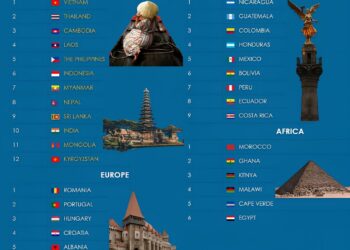
[Image: Top 100 Countries by Average IQ in 2026]
 ChatGPT
 Perplexity
 Gemini AI
 Grok AI