Select Language:
The Top Countries Dominating Global Power in 2025
1. The United States: Still the Superpower
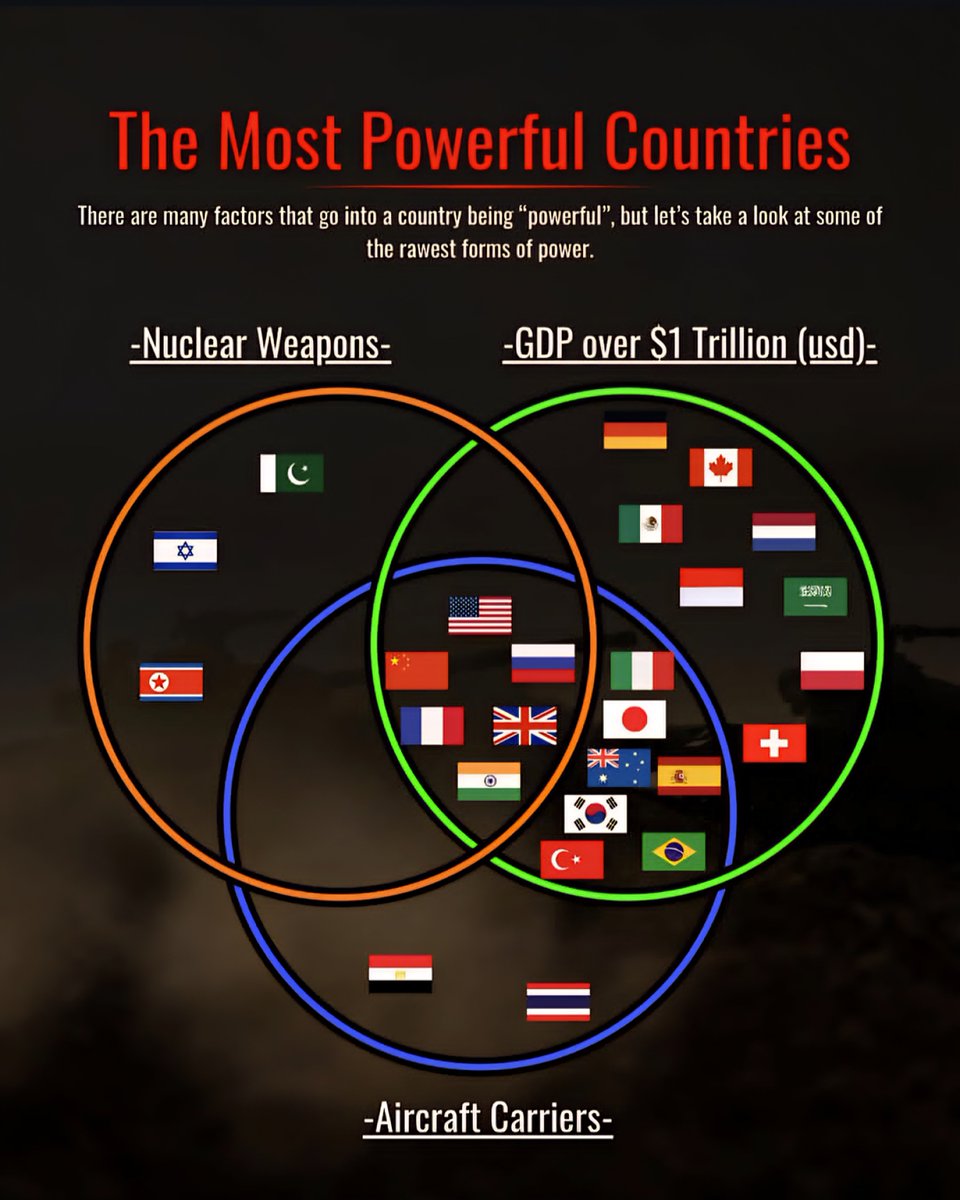
Despite rising competition, the United States continues to hold its position as the world’s most influential country in 2025. Its robust economy, technological innovation, military strength, and cultural impact keep it at the forefront. The U.S. maintains a strategic edge with significant investments in artificial intelligence, space exploration, and defense systems, reaffirming its status on the global stage. The country’s leadership in shaping international policies and maintaining military alliances such as NATO underpin its influence worldwide.
2. China: The Rising Global Power
China’s rapid economic growth over the past decades has positioned it as a formidable rival to the United States. In 2025, it stands as the largest manufacturing hub and second-largest economy globally. China’s Belt and Road Initiative expands its geopolitical reach, establishing economic and infrastructural ties across Asia, Africa, and Europe. Its advancements in 5G technology, renewable energy, and military modernization signal a shift toward a multipolar world where China plays a pivotal role in international affairs.
3. Russia: The Resilient Power
Despite economic sanctions and geopolitical tensions, Russia remains a major power in 2025. Its extensive nuclear arsenal, military capabilities, and influence over neighboring regions ensure its continued relevance. Recently, Russia has diversified its economy, emphasizing energy exports and developing its technological sector. Its strategic alliances with countries like India and Iran bolster its geopolitical standing, especially in Eurasia. Russia’s role in global arms sales and its involvement in regional conflicts underscore its persistent influence.
4. India: The Emerging Giant
India’s economic ascent is unmistakable in 2025. With a population exceeding 1.4 billion, India is projected to surpass China in overall growth and innovation. Its advancements in information technology, pharmaceuticals, and renewable energy are reshaping its global footprint. As a permanent member of influential international groups like the G20, India is asserting itself as a critical player in global governance. The country’s expanding military capabilities and technological investments point to a future where India could challenge traditional superpowers.
5. European Union: United in Strength
Though not a single nation, the European Union (EU) remains a significant power in 2025. With unified policies on climate change, digital transformation, and defense, the EU consolidates its position as an economic and geopolitical force. Countries like Germany, France, and Italy lead the bloc’s initiatives, particularly in sustainable development and technological innovation. The EU’s diplomatic clout and commitment to multilateralism contribute to global stability, even as member states address internal challenges.
6. Japan: The Technological Powerhouse
In 2025, Japan continues to excel as a technological innovator. Its advanced robotics, automotive manufacturing, and artificial intelligence sectors solidify its position among the top countries shaping the future. Japan’s strategic partnerships with the U.S. and its leadership within regional organizations reinforce its influence in Asia-Pacific. Domestically, Japan invests heavily in green technology and aging population solutions, ensuring its resilience in a rapidly changing world order.
7. Brazil: The Latin American Leader
Brazil stands out as Latin America’s dominant power in 2025. Its vast natural resources, agricultural output, and growing technology sector fuel its economic growth. Brazil’s leadership in the regional Latin American bloc enhances its diplomatic importance. The government’s focus on renewable energy, particularly biofuel and hydroelectric projects, underscores its commitment to sustainable development. As a key member of BRICS, Brazil’s influence extends beyond its borders, shaping regional and global policies.
8. Canada: The Arctic Gatekeeper
In 2025, Canada’s strategic position in the Arctic amplifies its global influence. Melting ice caps open new shipping routes and access to untapped natural resources, boosting Canada’s economic prospects. Its stable economy, extensive natural resources, and diplomatic leadership in climate change initiatives make it a key player on the international stage. Canada’s commitment to peacekeeping and multilateral organizations further emphasizes its role in promoting global stability.
9. South Korea: The Innovation Hub
South Korea’s technological industry leads in semiconductors, consumer electronics, and renewable energy innovation. Its strategic alliance with the United States and active participation in regional security frameworks highlight its importance in East Asia. South Korea’s vibrant democracy and resilient economy make it a powerhouse in science and technology, fostering regional stability and economic growth.
10. Australia: The Stable Powerhouse
Australia continues its ascendancy through abundant natural resources and strategic positioning in the Asia-Pacific region. Its focus on energy exports, environmental sustainability, and technological advancement drive its economic strength. Australia’s active diplomacy and participation in regional security arrangements solidify its influence, especially amid rising geopolitical tensions in the Indo-Pacific.
While these nations differ in their unique strengths and regional focuses, 2025 has undeniably marked a year where geopolitical influence is more distributed than ever. The ongoing technological revolution, alliances, and economic shifts have reshaped the global power landscape, promising an intriguing future of diplomacy, competition, and collaboration.
 ChatGPT
 Perplexity
 Gemini AI
 Grok AI