Select Language:
Israel’s Passport Power: A Look at Its Journey from 2006 to 2026

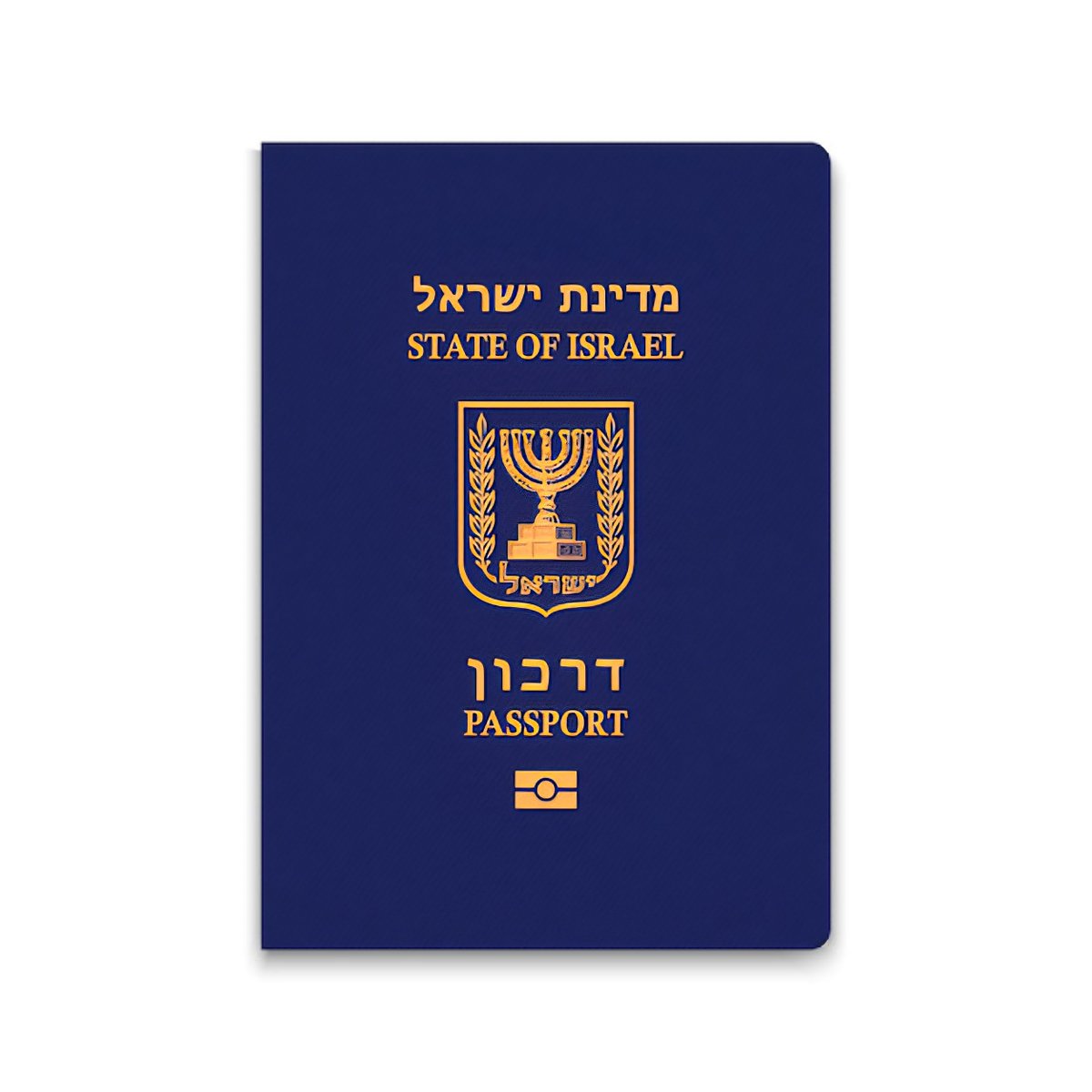
Image of an Israeli passport demonstrating its national identity.
Passport stamps representing international travel and mobility.
Over the past two decades, Israel’s passport has demonstrated a fluctuating yet resilient journey through global rankings, reflecting shifts in diplomatic relations, visa policies, and international mobility rights. As of 2026, Israel’s passport remains a symbol of increased global connectivity. Here’s a detailed look at its ranking evolution and what factors might have influenced these changes.
1. The Starting Point in 2006: Position 25
In 2006, Israel was ranked 25th in the world for passport strength, granting its citizens relatively limited visa-free travel options. At that time, geopolitical tensions and diplomatic relations might have contributed to the more restrictive mobility for Israeli passport holders. The global mobility landscape was less dynamic for many countries, and Israel’s passport was not yet among the most powerful.
2. Steady Climb Through the Years: 2006-2017
Between 2006 and 2017, Israel’s passport gradually climbed several notches in the global rankings, reflecting increased diplomatic efforts and evolving international agreements.
- In 2007, it moved to 24th place.
- By 2010, it had improved to 21st place.
- The upward trend continued, hitting 17th place by 2017, a significant achievement showcasing improved mobility for travelers.
This period highlights Israel’s concerted efforts to negotiate visa waivers and enhance diplomatic ties, enabling its citizens to access more countries visa-free or with visa-on-arrival privileges.
3. A Period of Stability and Slight Decline: 2018-2024
From 2018 onward, Israel’s ranking stabilized around the 17th to 19th positions, with occasional dips:
- In 2020, its position slightly slipped to 18th.
- By 2021 and 2022, it was ranked 19th.
- The year 2024 marked a dip to 21st, possibly influenced by regional geopolitical tensions or changes in global visa policies.
This phase reflects a period of relative stability in Israel’s international mobility, punctuated by minor fluctuations due to shifting foreign policy dynamics.
4. The Resurgence in 2025 and 2026
Remarkably, Israel’s passport experienced a comeback, climbing back to 19th in 2025 before reaching 18th place in 2026. This improvement indicates ongoing diplomatic negotiations and visa policy reforms that benefit Israeli travelers. Increased recognition and reciprocity agreements with more countries are likely reasons for this upward movement.
5. The Implications of Israel’s Passport Power
A passport’s ranking is a crucial indicator of global mobility and diplomatic standing. For Israeli citizens, higher ranks translate into:
- Easier access to a larger number of countries without visas.
- Reduced travel costs and planning complexities.
- Enhanced international business and tourism opportunities.
Conversely, fluctuations in rankings can reflect changing geopolitical climates and diplomatic shifts. Israel’s ranking improvements over time point to successes in international diplomacy, despite the persistent regional challenges.
6. Ongoing Trends and Future Outlook
Looking ahead, Israel’s passport will likely continue to evolve with geopolitical and diplomatic developments. The recent upward trend suggests a favorable trajectory, potentially driven by:
- New visa waiver agreements.
- Strengthened bilateral relations.
- Global trends toward more open travel policies.
As of 2026, Israel remains a key player in global mobility, with its passport gradually gaining ground in the world rankings.
Final Thoughts
Over two decades, Israel’s passport journey from 25th in 2006 to 18th in 2026 exemplifies resilience and diplomatic dedication. The ongoing efforts to enhance travel freedom reflect a broader aim of fostering international cooperation and mobility for Israeli citizens. As travel dynamics continue to evolve, Israel’s passport position will serve as a barometer of its diplomatic influence and global integration.
For more insights on travel and diplomatic relations, stay tuned for the latest updates.
 ChatGPT
 Perplexity
 Gemini AI
 Grok AI