Select Language:
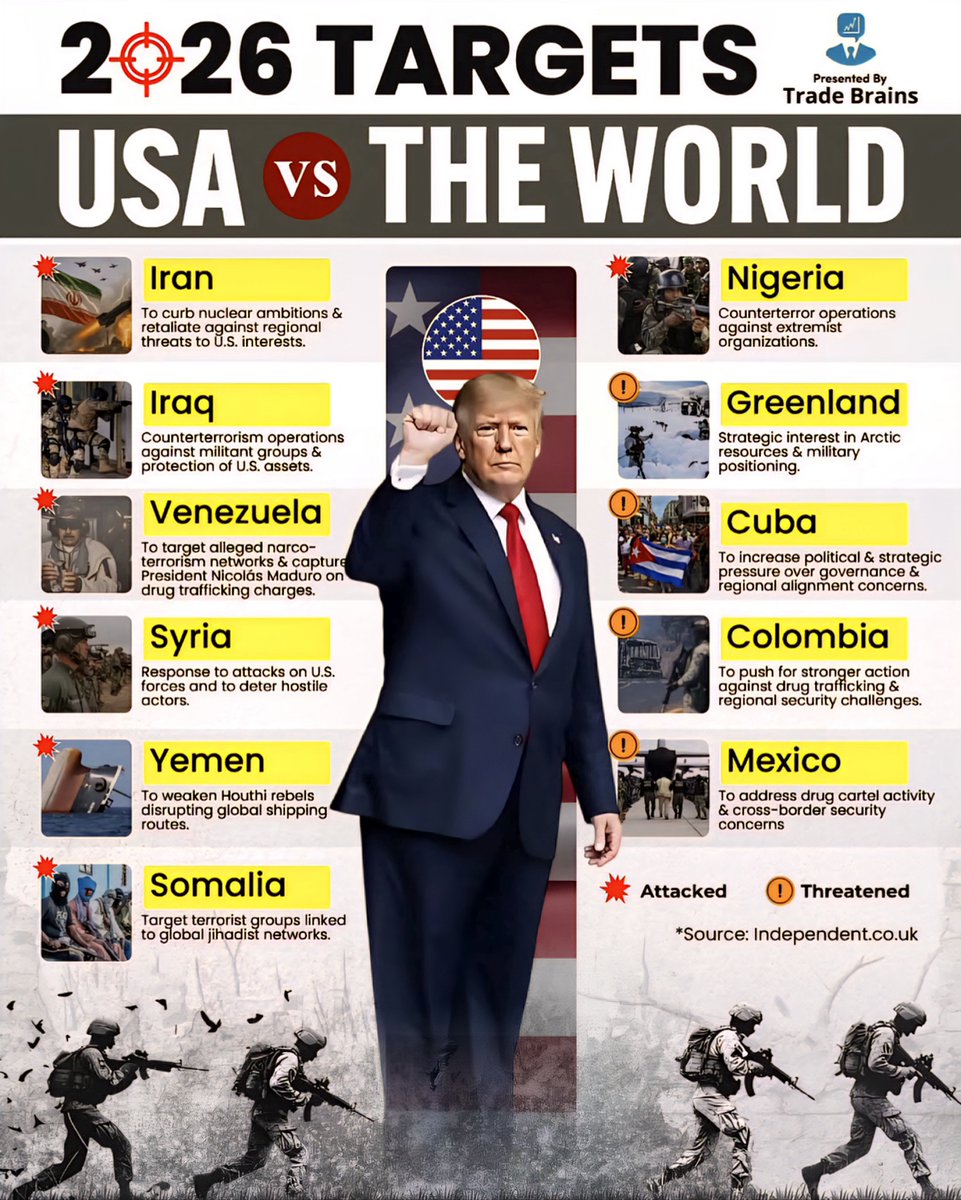
2025 U.S. Military Goals: Focusing on Key Global Challenges
Iran: Curtailing Nuclear Ambitions and Regional Threats
The United States is intensifying efforts to limit Iran’s nuclear capabilities, aiming to prevent the development of nuclear weapons that could threaten regional stability and U.S. allies in the Middle East. These measures include increased cyber operations, sanctions, and targeted drone strikes against development sites. The U.S. also seeks to counter Iran’s expansionist activities throughout the Middle East, particularly in Syria and Iraq, where Iran-backed militias continue to pose regional risks.
Iraq: Bolstering Counterterrorism and Protecting Assets
In Iraq, the focus remains on disrupting terrorist networks like ISIS and ensuring the safety of American personnel and infrastructure. U.S. military advisors and special forces are working closely with Iraqi forces to dismantle militant cells and prevent resurgence. America’s strategic presence also aims to stabilize the region and support Iraqi governance reforms.
Venezuela: Targeting Drug Trafficking and Political Pressure
Venezuela remains a key challenge for U.S. policy, with efforts concentrated on dismantling narco-terror networks operating within the country. The Biden administration is applying economic sanctions and diplomatic pressure on Nicolás Maduro’s regime, accusing it of facilitating drug trafficking and undermining regional stability. The goal is to restore democratic processes and curb illicit activities fueling violence and instability.
Syria: Deterring Hostile Actions and Protecting U.S. Forces
U.S. military operations in Syria aim to retaliate against attacks on American and allied forces and to deter hostile entities like ISIS remnants and Iranian-backed militias. The U.S. continues to conduct precision strikes and maintain military presence to ensure regional stability and prevent the resurgence of extremist groups.
Yemen: Disrupting Houthi Rebellion and Protecting Global Shipping
Yemen’s ongoing civil war involves the Houthi rebels disrupting vital global shipping routes in the Red Sea. The U.S. strategy focuses on degrading Houthi missile capabilities and supporting maritime security initiatives. By doing so, America aims to maintain uninterrupted international commerce and counter threats to regional security.
Somalia: Combating Global Jihadist Networks
In Somalia, the U.S. military is targeting terrorist groups linked to al-Shabaab and broader jihadist networks operating across East Africa. Operations include drone strikes, special forces missions, and support for Somali security forces. The goal is to weaken terrorist influence and prevent attacks within the region and beyond.
Nigeria: Countering Extremism and Securing Stability
Nigeria faces persistent threats from Boko Haram and ISIS-West Africa. U.S. efforts involve intelligence sharing, training, and logistical support to Nigerian security forces. These initiatives aim to dismantle terror cells, safeguard civilians, and stabilize the country amid ongoing insurgencies.
Greenland: Strategic Presence in the Arctic
Amid rising geopolitical interests, Greenland has gained prominence for its strategic significance concerning Arctic resources and military positioning. The U.S. is increasing its military infrastructure and operational presence to secure access to untapped natural resources and to counter growing influence from Russia and China in the Arctic region.
Cuba: Increasing Diplomacy and Strategic Pressure
Relations with Cuba remain tense, with a focus on applying diplomatic and economic pressure over governance issues. The U.S. is working to promote political freedoms and regional stability, closely monitoring Cuba’s alliances and military activities, especially in the context of increasing influence from foreign actors.
Colombia: Fighting Drug Trafficking and Enhancing Security
In Colombia, U.S. support is vital for aggressive anti-drug trafficking operations and initiatives that strengthen the country’s stability. This includes developing local security forces and disrupting illegal drug routes that often fuel violence and corruption.
Mexico: Combating Drug Cartels and Cross-Border Security
Understanding the critical regional impact, the U.S. aims to curb the influence of powerful drug cartels along the Mexico-U.S. border. Strategies include bilateral law enforcement cooperation, intelligence sharing, and humanitarian aid to reduce violence, human trafficking, and drug flow into America.
The strategies outlined for 2025 reflect the United States’ layered approach to safeguarding national interests while addressing complex international security threats across multiple continents.
 ChatGPT
 Perplexity
 Gemini AI
 Grok AI